
Arizona Restricted License vs Full Reinstatement After DUI
Get My Hardship-License SR-22 QuoteWhy the restricted license timeline matters more than the suspension period
Arizona mandates ignition interlock installation for the entire restricted driving period—and often beyond reinstatement. A first-offense DUI triggers a 90-day administrative suspension under A.R.S. §28-1385, but the restricted license pathway requires IID compliance for a minimum of 12 months from installation date. That means the device stays in your vehicle long after your full driving privileges return.
The 30-day hard suspension (days 1-30 of the Admin Per Se action) cannot be shortened with a restricted license. Days 31-90 allow restricted driving if you install an IID, submit an SR-22 certificate, pay the $10 MVD reinstatement fee plus applicable court fines, and complete alcohol screening. Most drivers focus on the 90-day suspension clock without realizing the IID requirement extends 9-15 months beyond that window.
Full reinstatement skips the IID if you serve the entire 90-day suspension without driving. You lose mobility for three months, but you avoid the $1,200-$2,400 IID installation and monthly lease cost, and your SR-22 filing period begins at reinstatement rather than day 31. The tradeoff is binary: drive sooner with extended monitoring, or wait and reinstate clean.

What the restricted license actually authorizes in Arizona
Arizona's Restricted Driver License permits court-defined or MVD-defined routes for work, school, medical appointments, and other essential travel specified in the authorization. The restriction is route-based and time-based: you must drive the most direct path during hours corresponding to the approved activity. Detours for errands, social events, or convenience stops violate the terms and trigger revocation.
The ignition interlock device logs every trip start, failed breath test, missed rolling retest, and tamper event. MVD receives compliance reports from certified IID vendors monthly. A single failed rolling retest (BAC above 0.00%) extends your IID requirement by an additional 6 months under A.R.S. §28-3319. Repeated violations can result in restricted license revocation and reinstatement denial.
Employers sometimes reject restricted licenses for roles requiring unrestricted mobility or company vehicle use. HR departments reviewing your Motor Vehicle Record will see the DUI conviction, the restricted status, and the IID requirement. If your job involves client visits, deliveries, or multi-site travel, confirm restricted-license acceptance with your employer before committing to the pathway. Losing employment mid-restriction eliminates the work justification and may void your restricted privilege.

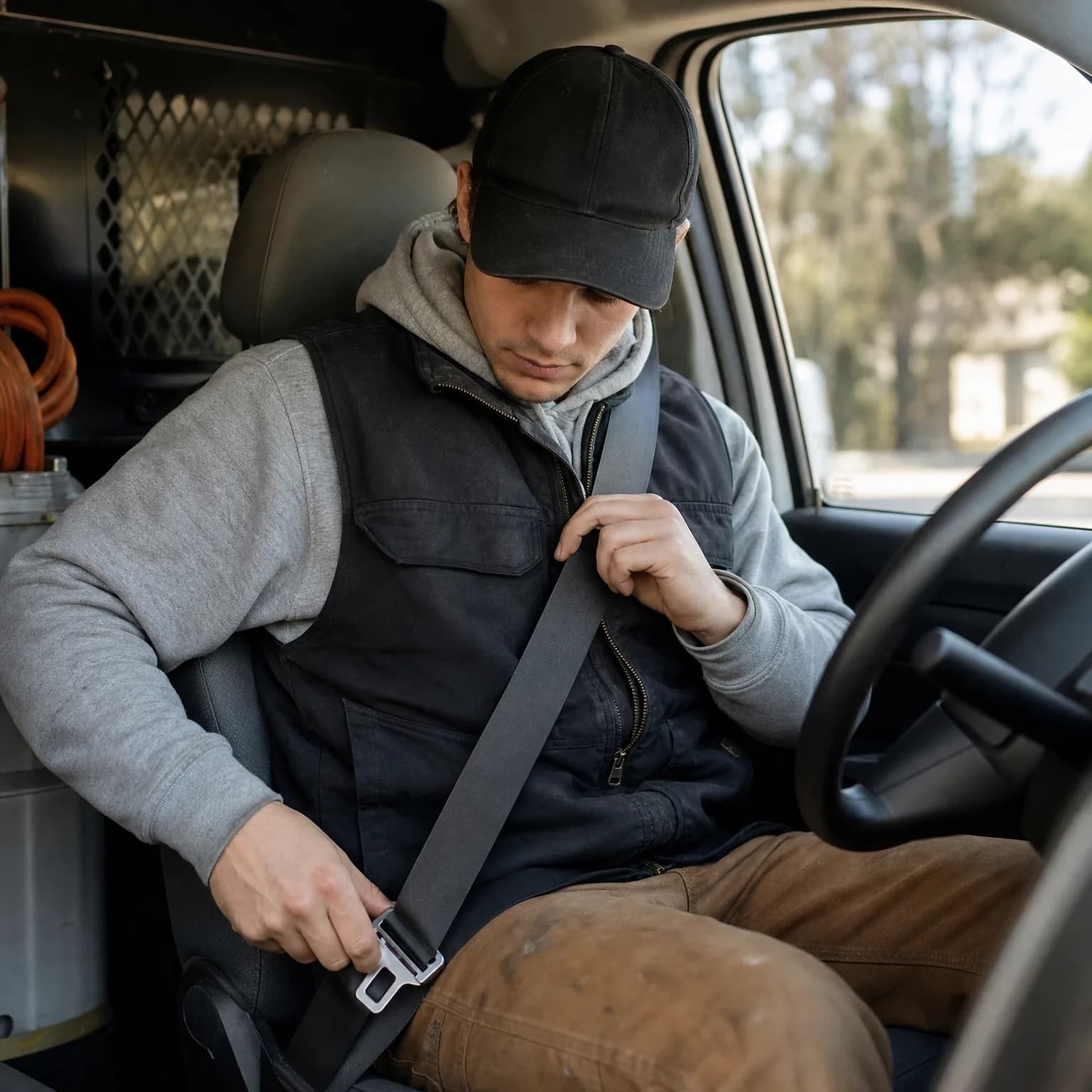
Cost breakdown: restricted license vs waiting for reinstatement
The restricted license pathway costs $1,800-$3,200 over 12-18 months. IID installation averages $150-$300. Monthly lease and calibration fees run $80-$120. SR-22 filing adds $25-$50 upfront, and your auto insurance premium increases 60-120% for three years. The $10 MVD reinstatement fee applies regardless of pathway, but court fines (typically $1,500-$2,500 for first-offense DUI) are due before restricted privileges are granted.
Full reinstatement after serving the 90-day suspension without driving costs $10 for the MVD fee, $1,500-$2,500 in court fines, and the same 60-120% insurance increase once you file SR-22 at reinstatement. You avoid the IID entirely. Total savings: $1,200-$2,400. The tradeoff is three months without legal driving.
Non-owner SR-22 insurance applies if you sold your vehicle, lost it to impound, or never owned one. Monthly premiums for non-owner policies range $40-$90 in Arizona—substantially lower than standard SR-22 policies because there's no vehicle to insure. You still need the non-owner SR-22 on file before MVD will issue a restricted license or approve reinstatement.
How the Admin Per Se suspension interacts with criminal court penalties
Arizona's implied consent law creates two parallel suspension actions for DUI. The Admin Per Se suspension (90 days for first offense, 12 months for refusal) is imposed by MVD immediately after arrest if your BAC registers 0.08% or higher. The criminal court suspension follows conviction and may run concurrently or consecutively depending on plea terms and sentencing.
You must request an administrative hearing within 15 days of arrest to contest the Admin Per Se action or negotiate restricted driving terms. Missing the 15-day window forfeits your hearing right and locks in the full suspension. Most drivers who pursue restricted licenses do so through the Admin Per Se pathway because court-ordered suspensions for DUI convictions are often longer and less flexible.
Aggravated DUI charges (BAC 0.15% or higher, third offense within 84 months, DUI with a passenger under 15, or DUI while license is suspended) trigger mandatory minimum jail time and extended suspension periods. Restricted licenses are rarely available for aggravated cases. Some judges impose absolute suspensions with no restricted option, particularly for repeat offenders. Confirm eligibility with your attorney before paying IID installation costs.

Drive Legally on Your Restricted License
Get My Hardship-License SR-22 Quote
SR-22 filing duration and what happens if coverage lapses
Arizona requires continuous SR-22 filing for three years following a DUI conviction. The clock starts when you file, not when you reinstate. If you choose the restricted license pathway and file SR-22 on day 31 of your suspension, your three-year period ends 36 months from that date. If you wait for full reinstatement at day 90 and file then, the three-year clock starts 60 days later.
Your insurer files an SR-22 certificate electronically with Arizona MVD, confirming you carry at least the state minimum liability coverage: $25,000 per person, $50,000 per accident for bodily injury, and $15,000 for property damage. If your policy lapses or is canceled for nonpayment, the insurer notifies MVD immediately through the Arizona Insurance Verification System. MVD suspends your license or restricted privilege within 24-48 hours.
Reinstating after an SR-22 lapse requires a new SR-22 filing, payment of a suspension reinstatement fee, and in some cases proof of continuous coverage for a lookback period. The three-year SR-22 clock does not pause during the lapse suspension—it resets. A single 30-day coverage gap can add six months to your total SR-22 obligation.

When restricted driving creates more risk than waiting
Restricted license violations trigger harsher consequences than the original DUI suspension. Driving outside approved hours, deviating from approved routes, or operating a vehicle without an installed IID results in immediate revocation, a new criminal charge for driving on a suspended license (class 1 misdemeanor under A.R.S. §28-3473), and extended suspension periods that may not offer a second restricted option.
IID false positives occur. Mouthwash, certain medications, and even ambient alcohol from passengers can register on the device. You must provide a passing breath sample within 5-10 minutes of a failed rolling retest or the device logs a violation. These violations appear on your MVD compliance report and can extend your IID term by 6 months per incident. There is no informal appeal process for IID violations—only formal administrative hearings.
If you move out of state during the IID period, Arizona's restricted license does not transfer. Most states will not issue a new license or restricted credential while an out-of-state DUI suspension is active. You must either return to Arizona to complete the IID term or forfeit restricted driving until full reinstatement. Interstate License Compact rules share suspension data across all member states.
What to do about insurance after deciding your pathway
Carriers willing to file SR-22 in Arizona after a DUI include Acceptance Insurance, Bristol West, Dairyland, GAINSCO, Geico, Infinity, Kemper, National General, Progressive, State Farm, The General, and USAA. Not all write non-owner policies, and not all accept applicants with BAC readings above 0.15% or multiple DUI offenses.
Request quotes from at least three carriers. Monthly premiums for post-DUI SR-22 policies in Arizona range $140-$280 for standard coverage, $40-$90 for non-owner policies. Acceptance, Bristol West, Dairyland, GAINSCO, and The General specialize in high-risk placements and often provide lower initial premiums than standard carriers, though discounts and claim service may differ.
File SR-22 before your restricted license hearing or reinstatement appointment. MVD will not approve restricted driving or lift a suspension without proof of SR-22 on file. Processing takes 3-7 business days from the date your insurer submits the certificate electronically. If you need coverage immediately, ask the carrier to expedite electronic filing and provide you with a confirmation number you can reference at MVD.
Frequently Asked Questions
Can I get a restricted license immediately after an Arizona DUI arrest?
No. Arizona mandates a 30-day hard suspension before restricted driving privileges become available. The Admin Per Se suspension runs 90 days for first offense; you may apply for a restricted license starting day 31 if you install an ignition interlock device, file SR-22, and complete alcohol screening. Days 1-30 allow no driving under any circumstance.
Does the ignition interlock requirement end when my restricted license converts to full reinstatement?
No. Arizona requires IID for a minimum of 12 months from installation date under A.R.S. §28-3319, regardless of suspension length. A first-offense DUI suspension lasts 90 days, but the IID stays in your vehicle 9-15 months after reinstatement. Violations extend the IID term by an additional 6 months per incident.
What happens if I drive outside my approved restricted license hours in Arizona?
MVD revokes your restricted license immediately, and you face a class 1 misdemeanor charge for driving on a suspended license under A.R.S. §28-3473. The new suspension period often carries no second restricted option. IID logs every trip start and end time; deviations appear on your compliance report sent to MVD monthly.
Can I use a restricted license to drive for work if my employer provides the vehicle?
Only if your employer installs an ignition interlock device in the company vehicle and accepts the liability. Most employers refuse IID installation in fleet vehicles due to insurance exclusions and maintenance requirements. Confirm restricted-license acceptance and IID accommodation with HR before committing to the restricted pathway.
How much does SR-22 insurance cost in Arizona after a DUI?
Monthly premiums for post-DUI SR-22 policies in Arizona range $140-$280 for standard coverage, $40-$90 for non-owner policies. Your rate depends on BAC level at arrest, prior violations, age, and carrier underwriting. SR-22 filing itself costs $25-$50, and the filing requirement lasts three years from the date you submit the certificate to MVD.
Does Arizona accept out-of-state restricted licenses if I move during the IID period?
No. Arizona's restricted license is valid only within Arizona. Most states will not issue a new license or restricted credential while an out-of-state DUI suspension remains active under Interstate License Compact rules. You must complete Arizona's IID term in-state or forfeit restricted driving until full reinstatement.
What is the total cost difference between restricted license and waiting for reinstatement?
The restricted license pathway costs $1,800-$3,200 over 12-18 months, including IID installation ($150-$300), monthly lease ($80-$120/month for 12-18 months), SR-22 filing, and increased insurance premiums. Waiting for full reinstatement after the 90-day suspension avoids IID entirely, saving $1,200-$2,400. Both pathways require the $10 MVD reinstatement fee and court fines.
Related Articles

Arizona Special Ignition Interlock Restricted License
5/16/2026

Arizona DUI Restricted License Cost: IID, SR-22 Fees
5/16/2026

Arizona Special Ignition Interlock Restricted License
5/17/2026

AZ Restricted License After DUI: Fees, IID & SR-22 Costs
5/17/2026

CA Restricted License vs 6-Month Wait After DUI
5/16/2026

Restricted License After 2nd DUI in Arizona (7-Year Rule)
5/16/2026