
California DUI With BAC .15+: Enhanced Penalties and Restricted License Path
Get My Hardship-License SR-22 QuoteWhat Changes When Your BAC Was .15 or Higher
California treats a first-offense DUI with BAC of .15% or higher as an enhanced penalty case. You face a longer suspension period (minimum 6 months administrative per se suspension instead of 4 months), mandatory enrollment in an 18-month DUI program instead of the standard 9-month program, and extended ignition interlock device (IID) requirements under Vehicle Code §23538. The DMV does not publish the .15 threshold prominently, but your arrest report and APS notice will show the exact BAC recorded—this number determines which program tier the court assigns.
The 18-month program costs approximately $1,800-$2,400 total (enrollment fee plus weekly session fees), compared to $800-$1,200 for the standard 9-month program. Most counties require in-person attendance; remote options expanded during 2020-2021 but have reverted to in-person mandates in Los Angeles, Orange, San Diego, and Sacramento counties as of current DMV requirements. Missing two consecutive sessions triggers automatic program dismissal and your restricted license is immediately revoked.
If your BAC was .20% or higher, some counties (notably Los Angeles and San Bernardino) may require the 30-month program reserved for second offenses, even on a first conviction. This is discretionary judicial enhancement, not automatic, but prosecutors routinely request it when BAC exceeds .20%. The 30-month program costs $2,500-$3,500 and extends your restricted license period and IID requirement to match the program length.

The Ignition Interlock Opt-In That Eliminates the Hard Suspension
California's AB 91 ignition interlock program, mandatory statewide since January 1, 2019, allows first-offense DUI drivers to install an IID immediately after arrest and obtain a restricted license with zero hard suspension period. This applies even to high BAC cases. The alternative is a 30-day hard suspension (no driving at all) followed by eligibility for a restricted license.
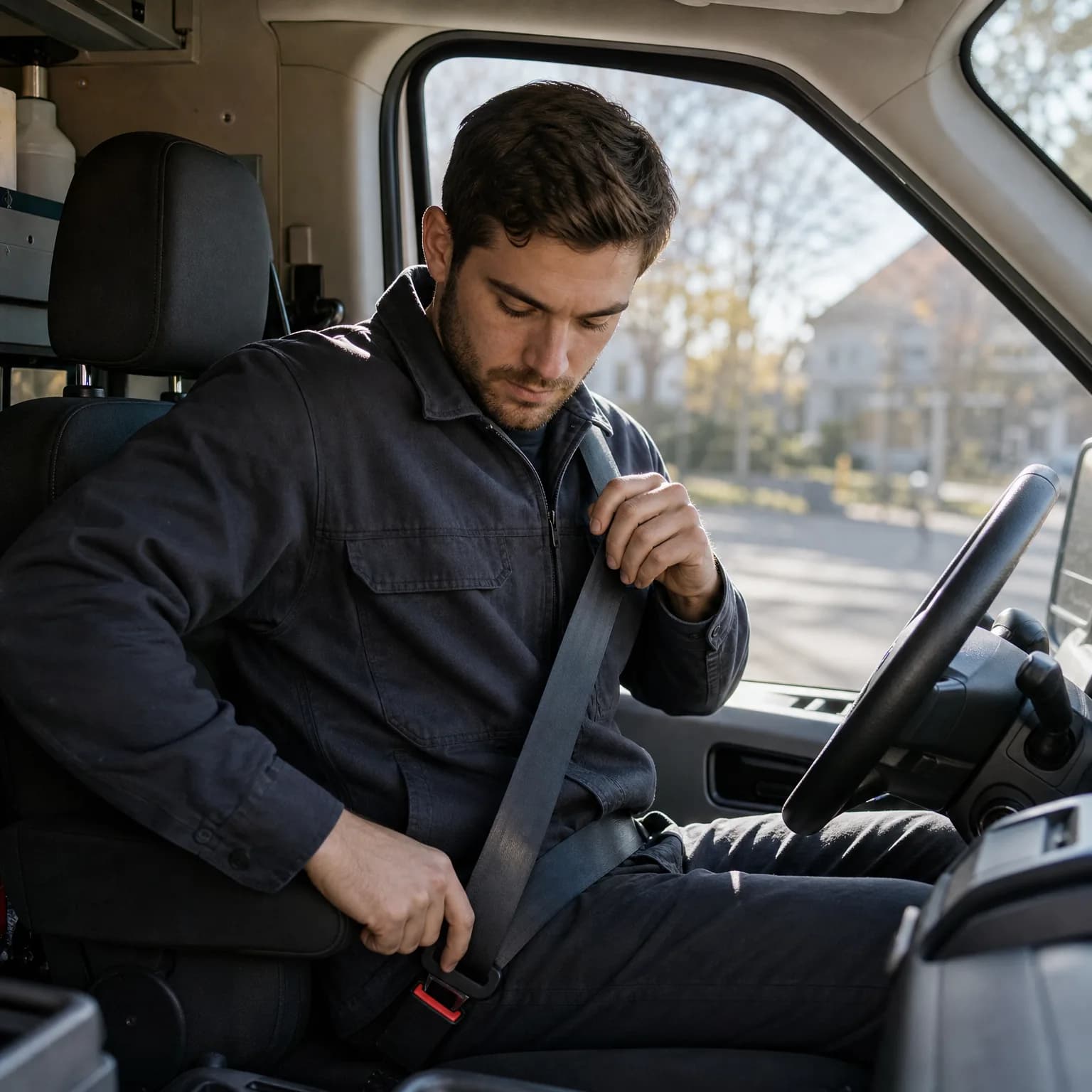
Most drivers choose IID opt-in because the 30-day hard suspension threatens employment. You install the device within 30 days of your arrest, submit proof of installation to DMV, pay the $125 restricted license reissue fee, and receive driving privileges immediately for work, DUI program attendance, and employment-related travel. The IID requirement lasts 12 months for .15+ BAC cases, compared to 6 months for standard first-offense DUI with BAC under .15%.
IID installation costs $70-$150, with monthly calibration and monitoring fees of $60-$90. Over 12 months, total IID cost is approximately $800-$1,200. You cannot drive any vehicle without IID during the restriction period—this includes borrowed cars, rental cars, and employer vehicles. Violation results in a one-year license suspension with no restricted license option. If your employer cannot accommodate IID (commercial driving, company fleet vehicles), the standard 30-day hard suspension followed by restricted license without IID may be the only viable path, but this option is rarely granted for high BAC offenders.
SR-22 Filing and Insurance Cost After High BAC Conviction
California requires SR-22 certificate of insurance filing for 3 years from your conviction date for all DUI cases, including high BAC. Your insurer files the SR-22 electronically with DMV; you cannot obtain or maintain a restricted license without active SR-22 on file. If your policy lapses or cancels for any reason during the 3-year period, DMV receives automatic notification within 24 hours and your license is immediately re-suspended.
SR-22 filing fees range from $15-$50 depending on carrier, but the premium increase is the major cost. California drivers with a .15+ BAC DUI conviction pay approximately $210-$340/month for minimum liability coverage during the SR-22 period, compared to $85-$140/month for clean-record drivers. High-risk carriers writing SR-22 in California include Geico, Progressive, The General, Bristol West, Dairyland, and Acceptance Insurance. State Farm and USAA write SR-22 but typically non-renew after a DUI conviction.
If you do not own a vehicle, non-owner SR-22 insurance costs $40-$80/month and satisfies the DMV filing requirement. This is common for drivers whose vehicle was impounded, sold, or totaled after the arrest. Non-owner SR-22 covers you when driving borrowed or rental vehicles and maintains your filing compliance, but it does not satisfy the IID requirement—you still cannot legally drive unless the vehicle you are operating has IID installed and registered to your restricted license.
Restricted License Application Process for High BAC DUI
You apply for a restricted license through DMV, not the court. The court handles your criminal case and assigns the DUI program tier; DMV handles your administrative per se suspension and restricted license eligibility. These are parallel processes. If you lost your APS hearing (or did not request one within 10 days of arrest), the suspension begins 30 days after arrest.
To apply for a restricted license, submit: (1) proof of enrollment in the 18-month DUI program, (2) proof of SR-22 insurance filing, (3) proof of IID installation if you are opting into AB 91, (4) $125 reissue fee. DMV processes the application in 5-10 business days if all documentation is complete. Incomplete submissions (missing SR-22, missing IID proof, wrong program tier) result in denial without refund, and you must reapply with correct documentation and pay the $125 fee again.
Restricted license allows driving to and from work, during the course of employment, and to and from your DUI program. It does not permit social driving, errands, or transporting family members unless those trips occur during your work commute. Violation of restriction terms results in a one-year suspension with no restricted license eligibility. Most violations are discovered during traffic stops when the officer asks where you are traveling; stating any non-permitted purpose is an immediate violation.

Drive Legally on Your Restricted License
Get My Hardship-License SR-22 Quote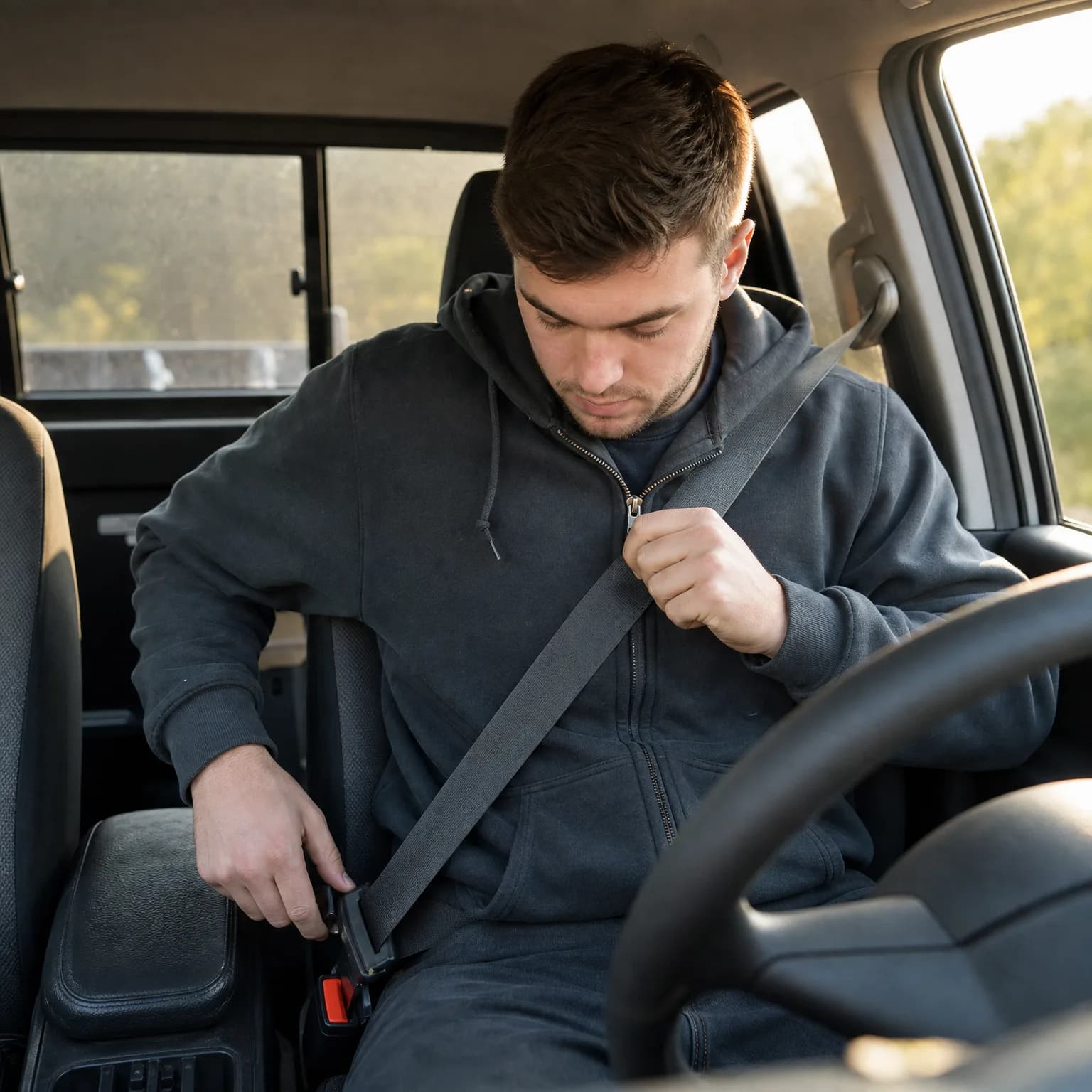
What Happens If You Refuse the 18-Month Program or Let It Lapse
Completion of the court-ordered DUI program is a non-negotiable condition for license reinstatement. If you fail to enroll within 21 days of your court sentencing date, DMV will not issue a restricted license even if you have SR-22 and IID installed. If you enroll but are later dismissed from the program for non-attendance or non-payment, your restricted license is revoked the same day the program reports your dismissal to DMV.
Re-enrollment in the same program after dismissal is at the program director's discretion and typically requires paying all past-due fees plus a re-enrollment fee of $100-$300. Some programs will not re-enroll dismissed students. If your original program refuses, you must find another state-licensed provider, which may have a waitlist of 30-60 days in high-demand counties. During this gap, you have no restricted license and no legal driving privilege.
If you do not complete the 18-month program, you cannot apply for full license reinstatement after your suspension period ends. The suspension simply continues indefinitely until program completion is verified. DMV does not send reminder notices. Drivers sometimes discover years later that their license is still suspended because they never finished the final phase of their DUI program.
Cost Summary for High BAC DUI Restricted License in California
Total cost to obtain and maintain a restricted license with IID for a .15+ BAC first-offense DUI in California: $6,800-$10,200 over the 18-month DUI program period. This includes $125 DMV reissue fee, $1,800-$2,400 for the 18-month DUI program, $800-$1,200 for 12 months of IID service, $15-$50 SR-22 filing fee, and $3,780-$6,120 in elevated insurance premiums (18 months at $210-$340/month).
If you skip the IID opt-in and accept the 30-day hard suspension, you avoid the IID cost but face the same DUI program and SR-22 expenses, plus potential job loss during the hard suspension. Most drivers in employment-dependent situations choose IID despite the added cost.
After completing the restricted license period and DUI program, you pay an additional $55 reinstatement fee to DMV to convert to a full unrestricted license. SR-22 filing continues for 3 years from conviction date regardless of when your restricted license period ends. If your conviction was January 2024, SR-22 must remain on file until January 2027 even if your restricted license converts to full license in July 2025.
Second Offense or Refusal Cases
If this is your second DUI within 10 years, California imposes a mandatory 1-year hard suspension with no restricted license eligibility for the first 12 months. After 12 months, you may apply for a restricted license with IID required for the remaining suspension period, typically an additional 12-24 months depending on whether the second offense also involved high BAC or injury.
Chemical test refusal cases (you refused breath or blood test at arrest) result in automatic 1-year administrative suspension for first offense, 2 years for second offense, with no restricted license eligibility for the first 12 months. Refusal combined with high BAC (determined by other evidence, such as field sobriety performance) triggers the longest suspension periods and program requirements California law allows for non-injury DUI.
Felony DUI (injury or fourth offense within 10 years) results in a minimum 4-year revocation with no restricted license eligibility until state-mandated review after 3 years. These cases require attorney representation; procedural errors during the revocation hearing are common and often the only viable defense.
Frequently Asked Questions
Can I get a restricted license in California if my BAC was .15 or higher?
Yes. California allows restricted licenses for first-offense DUI with BAC .15% or higher, but you must complete an 18-month DUI program instead of the standard 9-month program, and your ignition interlock requirement extends to 12 months instead of 6 months. You can bypass the 30-day hard suspension by installing IID immediately and applying for a restricted license through DMV.
How much does the 18-month DUI program cost in California?
The 18-month DUI program required for high BAC convictions costs $1,800-$2,400 total, including enrollment fees and weekly session fees. This is approximately double the cost of the standard 9-month program. Missing two consecutive sessions results in program dismissal and immediate revocation of your restricted license.
Do I need an ignition interlock device for a .15 BAC DUI in California?
California requires ignition interlock devices for 12 months on all first-offense DUI cases with BAC .15% or higher if you opt into the AB 91 IID program to avoid the 30-day hard suspension. If you accept the 30-day hard suspension, IID is not required during the subsequent restricted license period, but this option is rarely approved for high BAC offenders.
How long does SR-22 filing last after a high BAC DUI in California?
California requires SR-22 insurance filing for 3 years from your conviction date for all DUI cases, including high BAC. If your SR-22 lapses at any point during the 3-year period, DMV is notified within 24 hours and your license is immediately re-suspended.
What happens if I don't finish the 18-month DUI program in California?
If you do not complete the 18-month DUI program, you cannot apply for full license reinstatement and your suspension continues indefinitely until program completion is verified. If you are dismissed from the program for non-attendance, your restricted license is revoked the same day DMV receives the dismissal notice.
Can I drive for work with a restricted license after a .15 BAC DUI?
Yes. California's restricted license allows driving to and from work, during the course of employment, and to and from your DUI program. Social driving, errands, and non-work trips are prohibited. Violation of restriction terms results in a one-year suspension with no restricted license eligibility.
How much does car insurance cost after a .15 BAC DUI in California?
California drivers with a high BAC DUI conviction typically pay $210-$340/month for minimum liability coverage with SR-22 filing during the 3-year filing period. Non-owner SR-22 insurance for drivers without a vehicle costs $40-$80/month and satisfies DMV filing requirements.
Related Articles
California IID Restricted License After DUI: How to Apply
5/17/2026

CA Restricted License vs 6-Month Wait After DUI
5/16/2026

First vs Second DUI Restricted License Cost in CA
5/17/2026

First 30 Days After a CA DUI: Restricted License Steps
5/16/2026

CA IID Restricted License After DUI: 12-Month Program
5/16/2026

California IID Restricted License After DUI: Full Guide
5/17/2026