California Wet Reckless Plea: Hardship License Implications
Get My Hardship-License SR-22 QuoteDoes a Wet Reckless Conviction Change Your DMV Hardship License Eligibility?
No. California DMV treats wet reckless (Vehicle Code 23103.5) identically to a standard DUI for restricted license purposes. You face the same 30-day hard suspension before restricted eligibility, the same ignition interlock device requirement, and the same 3-year SR-22 filing period. The plea bargain reduces your criminal penalties — shorter DUI program, lower fines, less jail exposure — but does not alter the administrative license suspension imposed by the DMV.
California runs parallel suspension tracks. The court conviction under VC 23103.5 is one track. The DMV administrative per se (APS) suspension under VC 13353 is another. Your wet reckless plea resolves the criminal case, but the DMV suspension proceeds independently based on your arrest BAC or refusal. Most drivers do not realize the DMV hearing window closes 10 days post-arrest regardless of plea negotiation timeline.
If you accepted a wet reckless plea after losing your DMV hearing or missing the 10-day request window, your restricted license application still requires proof of IID installation, SR-22 filing, and DUI program enrollment. The 30-day hard suspension before restricted eligibility begins on the APS effective date, not your plea date.
What the Wet Reckless Plea Actually Changes
The wet reckless plea shortens your court-ordered DUI program from 9 months to 3 months for most first offenses. You attend fewer classes, pay lower program fees, and avoid the 9-month completion timeline required under standard first DUI. This matters for restricted license eligibility because California DMV requires proof of DUI program enrollment before issuing a restricted license — but enrollment alone satisfies the DMV, not completion. You can start driving under a restricted license before finishing the 3-month program.
Fines and probation terms are typically lighter under wet reckless. Jail exposure drops. Your criminal record shows reckless driving with an alcohol notation rather than DUI, which carries less stigma in background checks. Insurance carriers may rate wet reckless slightly lower than straight DUI, but most still apply the same rate multiplier for the first 3 years because the SR-22 filing signals high-risk status regardless of conviction wording.
The wet reckless plea does not shorten your SR-22 filing period. California requires 3 years of continuous SR-22 coverage from your reinstatement date for both wet reckless and standard DUI. If your SR-22 lapses at any point during those 3 years, DMV re-suspends your license immediately and the 3-year clock restarts from your next reinstatement date.
How the Ignition Interlock Device Requirement Works After Wet Reckless
California requires ignition interlock device installation for all DUI-related restricted licenses, including wet reckless convictions. The IID mandate applies statewide under AB 91 and SB 1046 regardless of plea bargain outcome. You install the device before DMV will issue your restricted license, pay monthly calibration and monitoring fees, and maintain the device for the full restricted license period — typically 12 months for a first offense.
IID installation costs $70 to $150 depending on provider. Monthly lease and calibration fees run $60 to $90. Total IID cost over 12 months typically falls between $800 and $1,200. These costs are not reduced by the wet reckless plea. DMV maintains a list of state-certified IID providers; you must use a certified installer or your restricted license application will be denied.
Some drivers attempt to skip the IID by arguing their wet reckless is not a "DUI conviction." This fails. California Vehicle Code 23103.5 explicitly defines wet reckless as a prior offense for DUI enhancement purposes, and DMV applies the same IID requirement to wet reckless as to standard DUI under VC 13353.7. If you refuse IID installation, you wait out the full suspension period with no restricted driving privilege.
SR-22 Filing Requirements: Court vs DMV Distinction
Your wet reckless plea triggers mandatory SR-22 filing because the DMV suspension — not the court conviction — drives the SR-22 requirement. Even if your attorney negotiated wet reckless to avoid a DUI on your criminal record, the APS suspension under VC 13353 remains a DUI-triggered administrative action that requires SR-22 proof of financial responsibility for 3 years.
SR-22 is not insurance. It is a certificate your carrier files with DMV certifying you maintain at least California's minimum liability coverage: $30,000 per person, $60,000 per accident for bodily injury, $15,000 for property damage. If you own a vehicle, your carrier adds SR-22 to your existing auto policy. If you do not own a vehicle after impound or sale, you purchase non-owner SR-22 to satisfy the filing requirement while driving employer or rental vehicles under your restricted license.
Carrier filing fees for SR-22 range from $15 to $50 as a one-time charge. The real cost is the premium increase. Post-DUI rates for minimum liability coverage in California typically run $140 to $240 per month depending on age, county, and carrier. Over the 3-year SR-22 period, total insurance cost often exceeds $6,000. Wet reckless plea does not change this timeline or cost structure.

Drive Legally on Your Restricted License
Get My Hardship-License SR-22 Quote
Restricted License Application Path After Wet Reckless in California
You apply for a restricted license through DMV, not through court. The process begins 30 days after your APS suspension effective date. You need proof of IID installation from a certified provider, proof of SR-22 filing from your insurance carrier, proof of DUI program enrollment (not completion), and payment of the $125 restricted license reissue fee. California DMV does not require a court hearing for first-offense restricted licenses — the application is administrative.
Processing typically takes 5 to 10 business days after DMV receives all required documents. Many drivers submit incomplete applications because they assume wet reckless avoids the IID or SR-22 requirement. Incomplete applications are rejected without refund, and you lose additional restricted driving days while reassembling paperwork. Double-check the DMV restriction checklist before submitting.
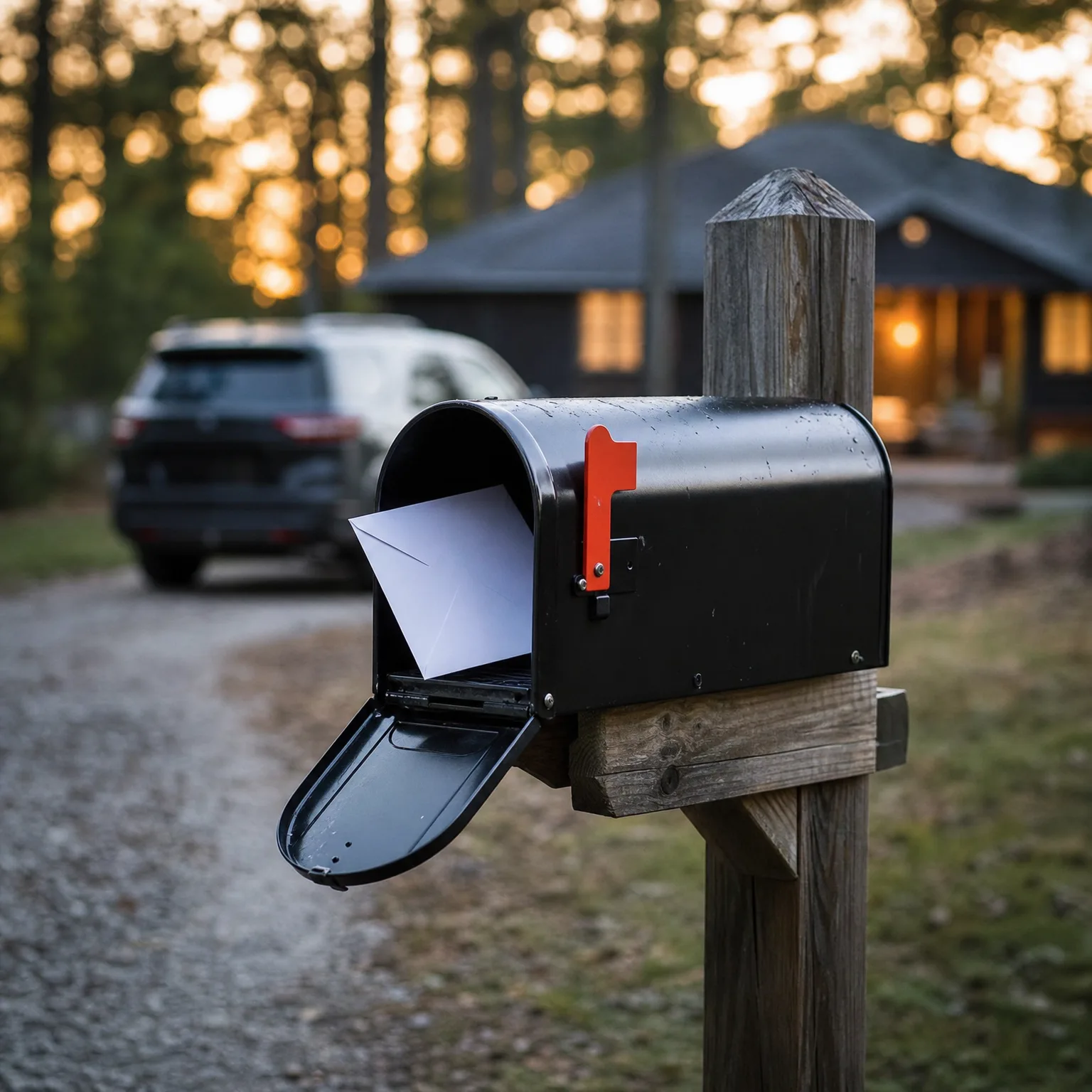
Your restricted license allows driving to and from work, within the scope of employment if your job requires driving, and to and from your DUI program classes. California does not impose clock-based time restrictions, but purpose restrictions are absolute. Driving to the grocery store, gym, or social events violates your restriction and triggers immediate re-suspension. Restricted license violations show up during routine traffic stops when the officer runs your license — you will not get a warning.
What Happens If You Violate Restricted License Terms
Driving outside your approved purposes under a California restricted license results in immediate suspension with no restricted option during the remaining suspension period. DMV does not issue a second restricted license after a violation. You wait out the balance of your original suspension — often 4 to 8 months — with no legal driving privilege, then pay reinstatement fees and reapply for full license restoration.
Missing two consecutive DUI program classes also triggers automatic restricted license revocation. The DUI program reports attendance directly to DMV. If you fall behind on classes, DMV receives notice and pulls your restricted privilege within 10 to 15 days. Most drivers do not realize the program completion timeline continues during restricted driving — enrollment is not passive. You attend classes on schedule or lose the license.
SR-22 lapse is the most common restricted license failure mode. If your carrier cancels your policy for non-payment or you switch carriers without ensuring seamless SR-22 transfer, DMV receives an SR-26 cancellation notice and suspends your restricted license the same day. The 3-year SR-22 clock resets from zero when you refile and reinstate. A single missed premium payment can cost you 6 months of restricted driving privilege and restart your entire SR-22 period.
Cost Breakdown: Wet Reckless Hardship License Path in California
Restricted license reissue fee: $125. IID installation: $70 to $150. IID monthly lease and calibration over 12 months: $720 to $1,080. SR-22 filing fee: $15 to $50. DUI program (3-month for wet reckless): $500 to $800. Insurance premium increase over 3 years at $140 to $240 per month: $5,040 to $8,640. Total cost for the wet reckless restricted license pathway typically falls between $6,500 and $10,800 over the 3-year filing period.
This cost estimate assumes you own a vehicle and maintain standard SR-22. If you lost your vehicle to impound or sold it post-arrest, non-owner SR-22 premiums run $30 to $60 per month — significantly cheaper than owned-vehicle SR-22. Non-owner SR-22 total cost over 3 years drops to approximately $1,080 to $2,160 for insurance alone, reducing total pathway cost to $2,500 to $4,200.
Wet reckless reduces your DUI program cost from $1,800 to $2,500 (9-month standard program) down to $500 to $800 (3-month wet reckless program). This is the primary cost benefit of the plea. It does not reduce IID cost, SR-22 duration, restricted license fees, or insurance rate multipliers. The plea saves you $1,000 to $1,700 in program fees and potentially reduces jail time and fines, but the DMV-side restricted license cost structure remains identical to standard first DUI.
Frequently Asked Questions
Does wet reckless count as a prior DUI if I get arrested again in California?
Yes. California Vehicle Code 23103.5 explicitly defines wet reckless as a priorable offense for DUI enhancement purposes. If you are arrested for DUI within 10 years of your wet reckless conviction, prosecutors charge it as a second offense with mandatory 96-hour jail minimum, 18-month DUI program, and 2-year license suspension. The wet reckless plea does not protect you from prior-offense treatment in future cases.
Can I get a restricted license in California if I refused the breathalyzer during my DUI arrest?
Refusal cases face a longer suspension but restricted license eligibility remains available after the hard suspension period. First-offense refusal triggers 1-year suspension under VC 13353.1, but you can apply for a restricted license after serving the initial suspension period by installing an IID and filing SR-22. Second or subsequent refusals result in 2- or 3-year revocations with no restricted option.
Do I need SR-22 if I don't own a car after my wet reckless conviction?
Yes, if you want a restricted license to drive employer or rental vehicles. Non-owner SR-22 satisfies California's financial responsibility requirement without owning a vehicle. You purchase non-owner liability coverage from a carrier that files SR-22 with DMV, then use your restricted license to drive vehicles you do not own. Premiums are significantly lower than owned-vehicle SR-22.
How long does California DMV require ignition interlock after a wet reckless plea?
California requires IID installation for the full restricted license period, typically 12 months for a first-offense wet reckless. You install the device before DMV issues your restricted license and maintain it until your full license is reinstated. Total IID cost over 12 months runs $800 to $1,200 including installation and monthly calibration fees.
What happens if my insurance company cancels my SR-22 during the restricted license period?
DMV suspends your restricted license immediately when your carrier files an SR-26 cancellation notice. The 3-year SR-22 filing clock resets to zero. You must find a new carrier, refile SR-22, pay the $125 reissue fee again, and reapply for restricted privileges. Most drivers do not realize SR-22 lapse restarts the entire filing period from the beginning.
Can I complete my DUI program online after a wet reckless conviction in California?
No. California requires in-person attendance for all DUI programs, including the 3-month wet reckless program. The program includes group sessions, individual counseling, and alcohol education components that must be completed face-to-face. Missing two consecutive sessions triggers DMV notification and automatic restricted license revocation.
Does California wet reckless show up on background checks the same way DUI does?
Wet reckless appears on your criminal record as Vehicle Code 23103.5, reckless driving involving alcohol. It does not use the word DUI, which may reduce stigma in employment background checks. However, insurance carriers, DMV, and prosecutors all treat wet reckless identically to DUI for rate-setting, license suspension, and prior-offense enhancement purposes. The record distinction is cosmetic for most practical consequences.
Related Articles
Wet Reckless Plea: Hardship License Rules by State
5/17/2026
California Restricted License After DUI: How to Apply
5/17/2026

California DUI to Restricted License Timeline
5/16/2026
CA Restricted License vs 6-Month Wait After DUI
5/16/2026
First 30 Days After a CA DUI: Restricted License Steps
5/16/2026

CA IID Restricted License After DUI: 12-Month Program
5/16/2026