Cost of Refusing a Breathalyzer: Filing, Suspension, IID Stack
Get My Hardship-License SR-22 QuoteAdministrative License Suspension Triggers Immediately After Refusal
Your license suspension starts the moment you refuse the breathalyzer, not when a judge convicts you of DUI. Most states operate dual-track enforcement: the DMV suspends your license administratively for refusing the chemical test, while the prosecutor pursues criminal DUI charges separately. These processes run in parallel. Even if criminal charges are dismissed or reduced, the administrative refusal suspension remains in effect.
Refusal suspensions are typically longer than first-offense DUI suspensions. Where a first DUI might trigger a 90-day administrative suspension, refusal often carries 180 days to 1 year. The implied consent law in every state treats your refusal as a separate violation—you agreed to chemical testing when you received your driver's license, and refusal breaks that agreement.
You have a narrow window to request an administrative hearing—typically 7 to 15 days from the date of arrest. Miss this deadline and the suspension becomes automatic with no opportunity to contest. The hearing addresses only whether the officer had probable cause and whether you actually refused, not whether you were intoxicated. Most drivers who refuse lose these hearings because refusal is documented in the arrest report.

SR-22 Filing Requirement Applies to Refusal Cases in Most States
Refusal triggers SR-22 filing requirements in the majority of states, independent of whether you're convicted of DUI. The administrative suspension alone is enough. SR-22 is proof-of-insurance certification filed by your carrier directly with the DMV, confirming you carry at least state-minimum liability coverage. The filing itself costs $15 to $50 depending on the carrier, but the premium increase is where the real expense hits.
Insurance companies treat breathalyzer refusal as a major violation. Your premium will increase 50% to 150% on average once the SR-22 filing appears on your record. If you were paying $120/month for full coverage before the arrest, expect $180 to $300/month after filing. The filing period is typically 3 years from the date you regain driving privileges, not from the arrest date. Some states require 5 years of continuous SR-22 certification for refusal cases.
You cannot let the SR-22 lapse. If your policy cancels or you fail to renew, the carrier notifies the DMV within 24 hours and your license is re-suspended immediately. Reinstatement after an SR-22 lapse adds another $50 to $250 in fees and restarts the clock on your filing period in many states.
Ignition Interlock May Be Required Even Without a DUI Conviction
Several states now require ignition interlock device installation for administrative refusal suspensions, regardless of criminal case outcomes. This is a recent policy shift: refusal used to be penalized with longer suspension periods, but states realized that keeping high-risk drivers off the road entirely doesn't address recidivism. Restricted driving with IID monitoring does.
IID installation costs $70 to $150. Monthly monitoring and calibration fees run $60 to $90. You'll pay these costs for the entire restricted driving period—often 6 months to 1 year for refusal cases. The device requires you to provide a clean breath sample before the vehicle starts and at random intervals while driving. Failed tests or skipped calibration appointments extend your IID requirement and can trigger full license revocation.
Not all states mandate IID for refusal, but the trend is expanding. Check your state's current administrative penalty structure—many updated their refusal protocols within the last 3 years. If your state offers a hardship or occupational license during the refusal suspension, IID is almost always a condition of receiving it.
Hardship License Eligibility Is Restricted During Refusal Suspensions
Refusal suspensions carry longer waiting periods before hardship license eligibility opens. Where a first-offense DUI might allow immediate application for occupational driving privileges, refusal often imposes a hard suspension period of 30 to 90 days before restricted driving becomes available. Some states deny hardship eligibility entirely for refusal cases, treating the refusal as evidence of willful non-compliance.
When hardship licenses are available after refusal, the requirements are stricter. You'll need employer verification, proof of SR-22 filing, completion of a DUI education assessment (even without a conviction), and in most cases, proof of IID installation. The application fee is the same as standard hardship applications—typically $50 to $150—but processing can take 15 to 30 days, during which you remain under full suspension.
Approved driving purposes are narrower for refusal-based hardship licenses. Work and medical appointments are standard. School and childcare are sometimes allowed. Grocery shopping and general errands are rarely approved. Judges and DMV hearing officers treat refusal as an aggravating factor, so deviation from your approved route or schedule is more likely to result in immediate revocation than it would be for a standard DUI hardship license.

Drive Legally on Your Restricted License
Get My Hardship-License SR-22 Quote
Criminal DUI Case Outcomes Don't Erase Administrative Penalties
Your attorney may succeed in getting DUI charges dismissed or reduced to reckless driving. That outcome affects your criminal record and potential jail time, but it does not reverse the administrative refusal suspension. The DMV and the court system operate independently. A not-guilty verdict in criminal court has no automatic effect on your license status.
You must address the administrative suspension through a separate DMV hearing, filed within days of your arrest. If you missed that window, the administrative penalties stand regardless of what happens in criminal court. Some drivers assume that winning the criminal case means their license will be returned—it does not. You'll still owe reinstatement fees, SR-22 filing, and any IID costs imposed administratively.
Double jeopardy does not apply here. You can be penalized administratively for refusal and criminally for DUI based on the same traffic stop. If you're ultimately convicted of DUI after initially being suspended for refusal, the penalties often run concurrently, but in some states they stack sequentially—refusal suspension first, then criminal DUI suspension. Total time without full driving privileges can exceed 18 months in these cases.
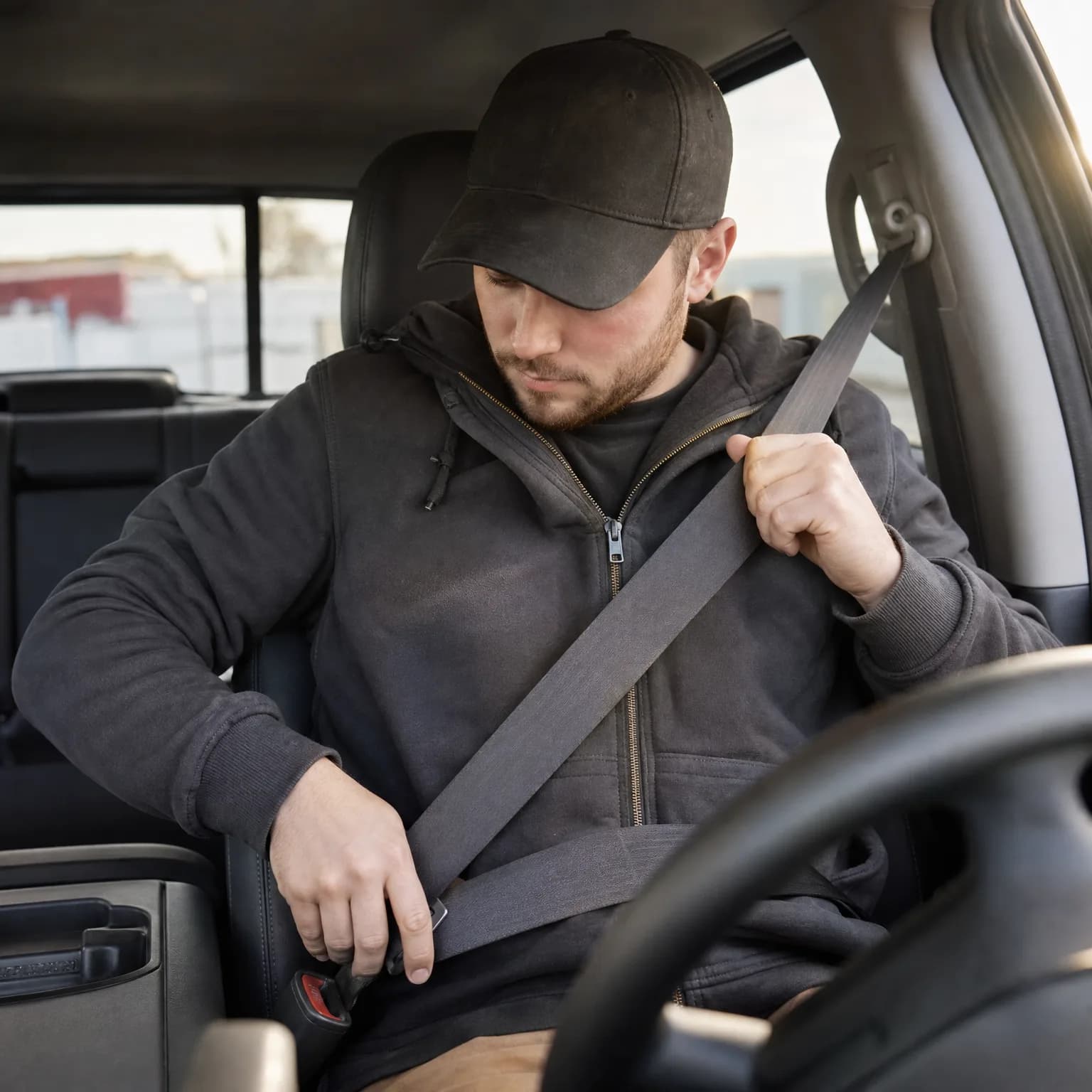
Total Cost Stack: What Refusal Actually Costs Over the Filing Period
Breathalyzer refusal carries a measurable cost even if you're never convicted of DUI. Administrative suspension triggers reinstatement fees of $100 to $300 depending on state. SR-22 filing adds $15 to $50 upfront, then $1,800 to $5,400 in premium increases over a 3-year filing period (assuming a $50 to $150/month increase). IID installation and monitoring, if required, adds $800 to $1,500 over 12 months. DUI assessment and education programs, often mandatory before hardship eligibility, cost $200 to $500.
Total out-of-pocket cost for a refusal case with no criminal conviction: $2,900 to $7,750 over three years. If you're also convicted of DUI, add court fines ($500 to $2,000), attorney fees if you hired representation ($1,500 to $5,000), and potentially extended IID monitoring. The financial impact of refusal exceeds the cost of a first-offense DUI conviction in many states because refusal suspensions are longer and SR-22 filing periods start later.
Non-owner SR-22 policies are available if you don't own a vehicle. These cost $25 to $60/month and satisfy the state's proof-of-insurance requirement without insuring a specific car. If your vehicle was impounded, sold, or you never owned one, non-owner SR-22 keeps you in compliance during the suspension and allows hardship license eligibility where the state permits it.
What to Do Right Now If You Refused the Breathalyzer
Request an administrative hearing within your state's deadline—typically 7 to 15 days from arrest. This is your only opportunity to contest the refusal suspension. The hearing is separate from your criminal case and addresses only whether the stop was lawful and whether you refused. You'll lose most of these hearings, but requesting one delays the suspension start date in many states, giving you time to arrange SR-22 filing and hardship license application.
Contact an SR-22 insurance provider immediately. Your current carrier may not offer SR-22 filing, and you cannot wait until after the suspension starts. The DMV requires proof of future financial responsibility before reinstating driving privileges or issuing a hardship license. Non-standard carriers specialize in high-risk policies and can file SR-22 the same day you bind coverage.
If your state allows hardship licenses for refusal suspensions, gather documentation now: employer letter specifying work address and schedule, proof of residence, payment for the hardship application fee, and SR-22 certificate. Apply as soon as the hard suspension period ends. Every day you delay extends the period you're without legal driving privileges. Most hardship applications take 15 to 30 days to process, so timing the application to align with eligibility prevents unnecessary downtime.
Frequently Asked Questions
Can I refuse a breathalyzer and avoid a DUI conviction?
Refusal does not prevent DUI charges. Prosecutors can pursue DUI based on field sobriety tests, officer observations, and your behavior during the stop. Refusal eliminates one piece of evidence (BAC), but it triggers automatic administrative license suspension in every state, often with harsher penalties than a first-offense DUI conviction would carry.
How long is my license suspended if I refuse the breathalyzer?
Refusal suspensions typically range from 180 days to 1 year for a first refusal, longer than most first-offense DUI administrative suspensions. Repeat refusals can trigger 18 months to 3 years of suspension. The exact period depends on state law and whether you have prior DUI or refusal violations on your record.
Does SR-22 filing cost more after breathalyzer refusal than after a DUI?
The SR-22 filing fee itself is the same—$15 to $50. Premium increases are similar whether the violation is refusal or DUI conviction; both are treated as major violations by insurance companies. Expect 50% to 150% increases regardless of which violation triggered the filing requirement.
Can I get a hardship license after refusing a breathalyzer?
Some states allow hardship licenses after refusal, but with longer waiting periods and stricter conditions than standard DUI cases. You'll typically need to complete a DUI assessment, install an ignition interlock device, and file SR-22 before eligibility opens. Several states deny hardship privileges entirely for refusal cases.
What happens if I win my DUI case after refusing the breathalyzer?
Winning the criminal DUI case does not reverse the administrative refusal suspension. The DMV suspension is independent of criminal court outcomes. You must contest the administrative suspension through a separate DMV hearing, filed within days of arrest. Missing that deadline means the refusal penalties stand regardless of criminal case results.
Do I need ignition interlock if I refused the breathalyzer but wasn't convicted?
Yes, in states that require IID for administrative refusal suspensions. This requirement is independent of criminal conviction. If your state mandates IID for refusal or as a condition of hardship license eligibility, you'll install the device even if DUI charges are dismissed or reduced.
Can I avoid SR-22 filing if I don't own a car after breathalyzer refusal?
No. SR-22 filing is required regardless of vehicle ownership in states that mandate it for refusal violations. You'll file a non-owner SR-22 policy, which costs $25 to $60/month and certifies you carry liability coverage even without owning a vehicle. This satisfies the state's financial responsibility requirement.
Related Articles
Cost of Refusing Chemical Test at CA DUI Stop
5/17/2026

Virginia Breathalyzer Refusal: 12-Month Suspension
5/16/2026
Refusal & Hardship License: How It Affects Eligibility
5/17/2026
CA Breathalyzer Refusal: 1-Year Suspension, No Hardship
5/16/2026
Chemical Test Refusal DUI Suspension Periods
5/29/2026
Cost of Refusing Breathalyzer in Florida DUI Stop
5/17/2026