
Felony DWI vs Misdemeanor DWI in Texas: ODL Cost Breakdown
Get My Hardship-License SR-22 QuoteWhat the Occupational Driver License Court Fee Actually Covers
Texas county courts charge filing fees that vary by jurisdiction—typically $150 to $300—to petition for an Occupational Driver License after a DWI conviction. This fee pays for the court's administrative review of your essential-need petition, not the physical license itself. Once the court grants the order, you present it to the Texas Department of Public Safety along with proof of SR-22 financial responsibility and pay DPS a separate $125 license issuance fee.
The court filing fee is identical whether your DWI was classified as a misdemeanor or a felony. Harris County charges approximately $250; Dallas County approximately $200; Travis County approximately $275. The variation reflects county administrative costs, not the severity of your offense.
Most applicants assume the court fee is the primary expense. It is not. The SR-22 certificate required for all ODL holders and the ignition interlock device mandated for alcohol-related suspensions together dwarf the upfront court and DPS fees over the life of the license.

SR-22 Filing Duration: Where Felony and Misdemeanor Paths Diverge
Texas requires SR-22 financial responsibility filing for two years from the date of license reinstatement for most DWI suspensions. This applies to both first-offense misdemeanor DWI and second-offense misdemeanor DWI. The filing itself costs $15 to $50 through most carriers, but the liability insurance policy backing the SR-22 carries a premium increase of approximately $140 to $250 per month compared to standard rates.
Felony DWI convictions—third offense or intoxication assault—trigger longer SR-22 periods in practice because the underlying suspension extends beyond two years in most cases. Texas Transportation Code does not impose a separate SR-22 filing period for felonies, but because the license remains suspended longer, the SR-22 requirement persists until reinstatement is complete and the two-year clock begins. A third-offense DWI suspension lasts one to two years; the SR-22 clock does not start until you satisfy all reinstatement conditions and pay the $125 reinstatement fee.
The practical difference: a misdemeanor first-offense ODL holder typically carries SR-22 for approximately 30 months total (90-day hard suspension plus two years post-reinstatement). A felony third-offense ODL holder carries SR-22 for closer to 48 months (longer suspension plus two years post-reinstatement). At $180/month average premium increase, that 18-month gap represents $3,240 in additional insurance cost attributable solely to the extended suspension period.

Ignition Interlock Device: The Primary Cost Divider
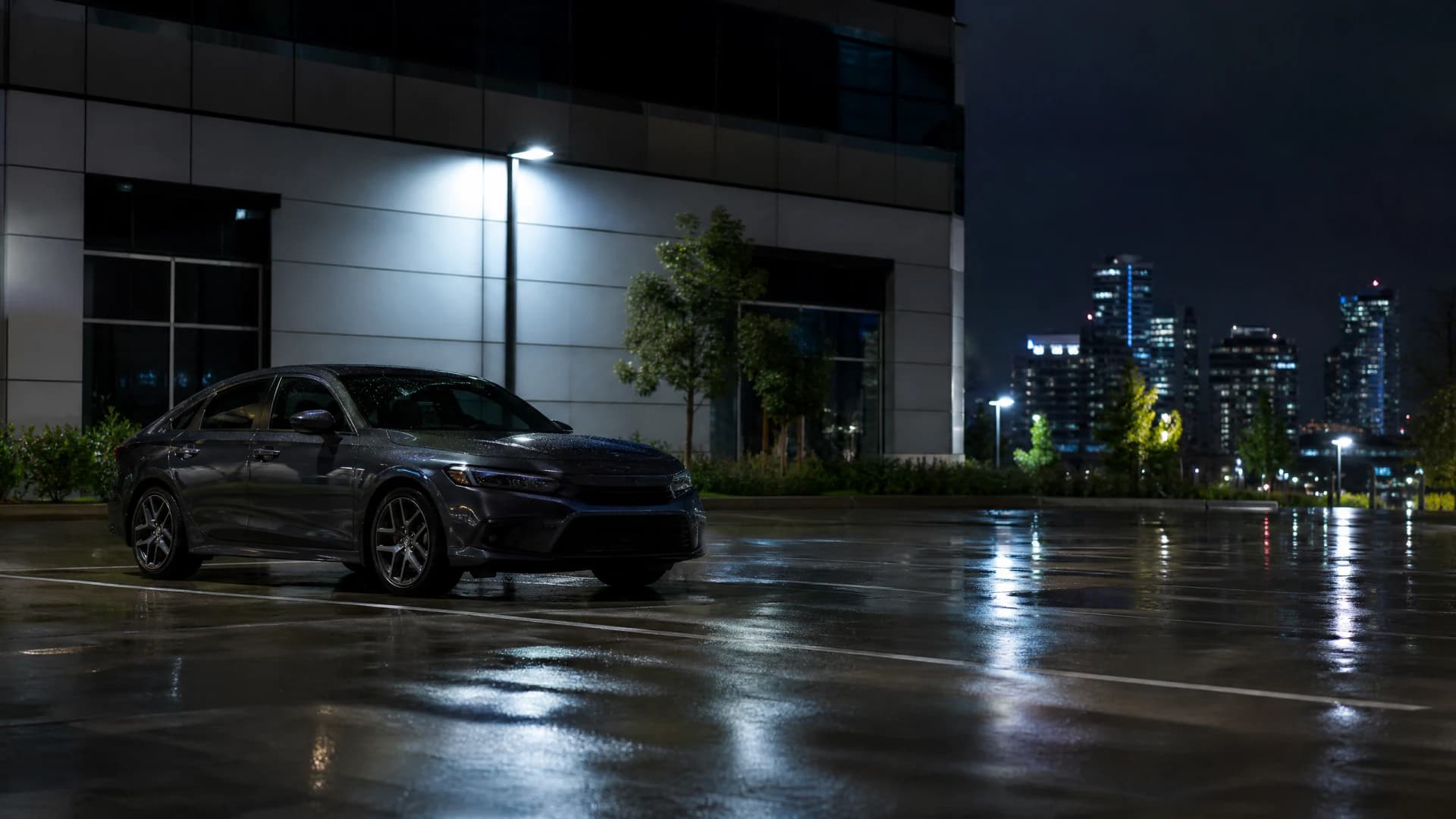
Texas courts impose ignition interlock device installation as a condition of granting an Occupational Driver License in all alcohol-related suspensions. Installation costs $70 to $150; monthly monitoring and calibration fees run $70 to $100. The device remains installed for the full duration of the ODL period—typically 90 days to one year for first-offense misdemeanor DWI, but one to three years for felony DWI depending on the court's order and the length of the underlying suspension.
A first-offense misdemeanor DWI offender granted an ODL for one year pays approximately $1,000 total for ignition interlock: $100 installation, $75/month monitoring for 12 months. A third-offense felony DWI offender required to maintain the device for three years pays approximately $2,800: $100 installation, $75/month for 36 months. The monthly cost is identical; the duration is not.
Texas statute does not mandate ignition interlock for all ODL cases, but in practice, county courts impose it as a standard condition for any alcohol-related suspension. The only exceptions occur when the suspension resulted from a blood or breath test refusal without a conviction, and even then, many judges include the requirement in the court order. If your petition omits ignition interlock documentation, expect the court to deny the application.
Three-Year Total Cost Comparison: Misdemeanor vs Felony ODL
A first-offense misdemeanor DWI offender applying for an Occupational Driver License in Texas faces the following itemized cost stack over three years: $250 average county court filing fee, $125 DPS license issuance fee, $25 SR-22 filing fee, $5,400 in elevated insurance premiums over 30 months ($180/month increase × 30 months), $1,000 ignition interlock cost over one year, and $100 DPS reinstatement fee upon full license restoration. Total: approximately $6,900.
A third-offense felony DWI offender applying for an ODL faces: $250 county court filing fee, $125 DPS license issuance fee, $25 SR-22 filing fee, $8,640 in elevated insurance premiums over 48 months ($180/month increase × 48 months), $2,800 ignition interlock cost over three years, and $100 DPS reinstatement fee. Total: approximately $11,940.
The difference—$5,040—stems almost entirely from the extended ignition interlock period and the longer SR-22 filing window tied to the felony suspension duration. The upfront court and DPS fees are identical. Carriers do not adjust SR-22 premium surcharges based on whether the underlying conviction was a misdemeanor or felony; the rate increase reflects the DWI filing requirement itself, not the offense classification. The cost gap widens because the timeline lengthens, not because the monthly expense rises.

Drive Legally on Your Restricted License
Get My Hardship-License SR-22 Quote
When Texas Courts Deny ODL Petitions for Felony DWI
Texas Transportation Code §521.242 grants county courts discretion to deny Occupational Driver License petitions when the applicant's driving record demonstrates a pattern of alcohol-related offenses or when granting the license would not serve public safety. Third-offense felony DWI applicants face denial more frequently than first-offense misdemeanor applicants, but the statute does not categorically bar felony offenders from ODL eligibility.
Courts deny felony DWI petitions most often when the applicant has not completed the mandatory DWI education program, has outstanding warrants or unpaid fines related to prior DWI cases, or fails to document a legitimate essential need beyond general convenience. Employment documentation must show specific shift hours, employer contact information, and a statement that no alternative transportation is available. School enrollment requires a class schedule and confirmation from the registrar. Medical necessity requires documentation from a treating physician specifying appointment frequency and location.
A second common denial trigger: incomplete ignition interlock installation documentation. The court order granting the ODL will specify that the device must be installed before the license is valid. If you present the petition without proof that a state-certified installer has already equipped your vehicle, the court will defer the hearing until installation is complete. Texas does not allow provisional ODL grants pending interlock installation.
Non-Owner SR-22 for Post-Impound Felony DWI Cases
Felony DWI arrests in Texas frequently result in vehicle impoundment, sale to cover fines, or forfeiture under civil asset laws. If you no longer own a vehicle but need an Occupational Driver License to meet essential-need driving for work or medical appointments, you must file a non-owner SR-22 certificate and arrange ignition interlock installation on a borrowed or employer-provided vehicle.
Non-owner SR-22 policies provide liability coverage when you drive a vehicle you do not own. Premium cost is lower than owner SR-22 policies—typically $40 to $80 per month—because the policy excludes collision and comprehensive coverage. The SR-22 filing fee remains $15 to $50. Texas DPS accepts non-owner SR-22 certificates for ODL issuance as long as the policy meets the state's minimum liability limits: $30,000 bodily injury per person, $60,000 per accident, $25,000 property damage.
Ignition interlock installation on a non-owned vehicle requires written permission from the vehicle's registered owner and coordination with a state-certified installer. The device remains installed for the full ODL period even if you change vehicles, meaning you must transfer the device and pay a reinstallation fee—typically $50 to $100—each time you switch cars. Most felony DWI offenders in this situation lease a vehicle specifically to satisfy the interlock requirement rather than repeatedly transferring the device across borrowed cars.
What Violating ODL Route or Time Restrictions Costs
Texas Occupational Driver Licenses restrict driving to court-approved essential-need routes and specified hours—maximum 12 hours per day. The court order lists your employer address, work shift hours, school location and class times, or medical provider address and appointment windows. Driving outside these enumerated purposes or hours is a Class B misdemeanor under Texas Transportation Code §521.457, punishable by up to 180 days in jail and a fine up to $2,000.
A violation also triggers immediate ODL revocation and extends your full license suspension period. If you are stopped on a route not listed in your court order—for example, driving to a grocery store when your order specifies only work and home—the officer will cite you for the misdemeanor and notify DPS. DPS revokes the ODL administratively without a hearing. You must then serve the remainder of your original suspension period without any restricted driving privilege.
Felony DWI offenders face stricter enforcement because probation terms often include GPS monitoring or random compliance checks. If your probation officer discovers ODL violations through GPS data, expect both the criminal misdemeanor charge and a probation revocation hearing. The combined consequence: additional jail time, extended probation, and loss of any restricted driving privilege for the duration of the original suspension plus any probation extension the court imposes.
Frequently Asked Questions
Does Texas charge a higher court fee for felony DWI Occupational Driver License petitions?
No. County court filing fees for ODL petitions are identical whether your DWI was a misdemeanor or felony—typically $150 to $300 depending on county. The DPS license issuance fee is also fixed at $125 regardless of offense severity.
How long does ignition interlock stay on my car for a third-offense felony DWI in Texas?
Courts typically require ignition interlock for the full ODL period, which ranges from one to three years for felony DWI depending on the underlying suspension length and court order. Monthly monitoring costs $70 to $100, bringing total three-year interlock expense to approximately $2,800.
Can I get an Occupational Driver License in Texas if my felony DWI involved an accident?
Yes, but courts scrutinize essential-need documentation more closely and may impose additional restrictions such as longer ignition interlock periods or narrower approved driving hours. Intoxication assault convictions face higher denial rates than standard felony DWI, but the statute does not categorically bar ODL eligibility.
What happens if I drive outside my ODL approved hours in Texas?
Driving outside court-approved hours or routes is a Class B misdemeanor punishable by up to 180 days in jail and a $2,000 fine. DPS also revokes your ODL immediately, forcing you to serve the remainder of your original suspension without any restricted driving privilege.
Do I need a different SR-22 policy for felony DWI versus misdemeanor DWI?
No. The SR-22 certificate itself is identical regardless of offense classification. Carriers base premium increases on the DWI filing requirement, not whether the conviction was a misdemeanor or felony. Monthly SR-22 insurance costs typically increase $140 to $250 over standard rates for both.
Can I use a non-owner SR-22 if I lost my car to impound after a felony DWI arrest?
Yes. Texas DPS accepts non-owner SR-22 certificates for ODL issuance as long as the policy meets state minimum liability limits. You must still install ignition interlock on any vehicle you drive, which requires written permission from the vehicle's registered owner.
How much does SR-22 insurance cost over three years for a felony DWI in Texas?
Felony DWI offenders typically carry SR-22 for 48 months total—the underlying suspension period plus two years post-reinstatement. At an average $180/month premium increase, total SR-22 cost over four years is approximately $8,640, compared to $5,400 over 30 months for first-offense misdemeanor DWI.
Related Articles

Texas DWI Occupational License Costs: Full Breakdown
5/16/2026

Texas ODL Cost After DWI: Court, SR-22, IID Fees
5/16/2026
Texas DWI ODL and SR-22 Combined Cost
5/29/2026

TX Occupational License vs Full Reinstatement Cost
5/16/2026
Texas Occupational License After DWI: Court Petition Guide
5/16/2026

First vs Second DWI ODL Cost in Texas Compared
5/16/2026