
Florida DUI With Injury: Felony Threshold and Hardship License Restrictions
Get My Hardship-License SR-22 QuoteWhen Does a Florida DUI Become a Third-Degree Felony?
Florida Statutes § 316.193(3)(c)(2) classifies DUI causing serious bodily injury as a third-degree felony on first offense, carrying up to 5 years prison and a minimum 3-year license revocation. Serious bodily injury means substantial risk of death, serious personal disfigurement, or protracted loss or impairment of a body part or organ. This is not the same as the property-damage-only misdemeanor DUI most drivers are charged with.
The felony designation appears in the arrest affidavit and charging document. If the investigating officer documents injury to another person and that injury meets the serious bodily injury threshold, the State Attorney files felony charges directly. There is no intermediate tier. A broken bone requiring surgery, a severe concussion with hospitalization, or a laceration requiring extensive reconstructive surgery all meet the threshold. Soft tissue injuries, minor cuts, and temporary impairment typically do not.
The practical consequence: your hardship license eligibility changes. Florida's Business Purpose Only License program remains open to felony DUI offenders, but the waiting period, hearing requirement, and ignition interlock conditions differ from misdemeanor cases. The DHSMV does not automatically deny felony DUI hardship applications, but the administrative hearing process becomes mandatory rather than optional.

How the Injury Element Changes Your Hardship License Timeline
Misdemeanor first-offense DUI in Florida carries a 30-day hard suspension before Business Purpose Only License eligibility. Felony DUI with injury triggers a minimum 90-day hard suspension, and some circuits impose 180-day or 1-year hard periods depending on injury severity and whether the victim was a minor or emergency responder.
The hard suspension period is non-negotiable. You cannot file for a BPO license until the hard period expires. During this window, no driving is permitted for any purpose. Employers, family emergencies, and medical appointments do not create exceptions. Violation of the hard suspension period adds criminal charges under Florida Statutes § 322.34 and extends your total revocation period.
Once the hard period expires, you must petition DHSMV for a formal administrative hearing. This is distinct from the misdemeanor-DUI administrative application path. The hearing officer evaluates your DUI school enrollment status, FR-44 filing, employment or hardship documentation, and prior driving record. Approval is discretionary, not automatic. Most hearing officers require proof of interlock installation before issuing the BPO license, even though the statute does not explicitly mandate pre-approval installation.

FR-44 Filing Requirements After Felony DUI With Injury
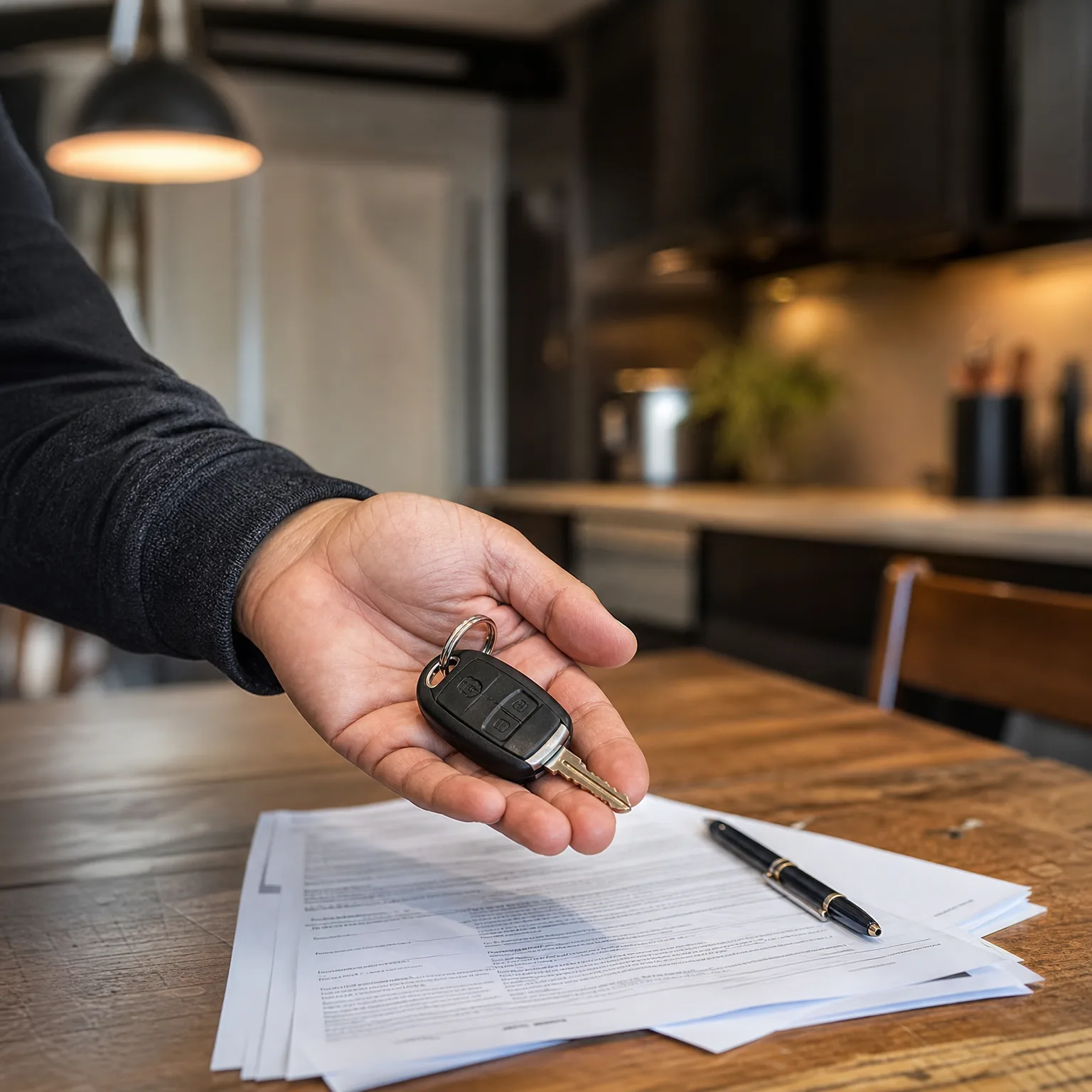
Florida is one of only two states requiring FR-44 certificates for DUI-related offenses. FR-44 mandates $100,000/$300,000 bodily injury and $50,000 property damage liability limits, significantly higher than the standard SR-22 minimums used in other states. This applies to all DUI cases in Florida, but the filing duration and monitoring intensity increase for felony DUI with injury.
The FR-44 filing period begins when your license is reinstated, not when you obtain the BPO license. For felony DUI with serious bodily injury, the filing period is 3 years from reinstatement date. If you allow the FR-44 to lapse at any point during those 3 years, DHSMV suspends your license immediately and the 3-year clock resets from the new reinstatement date.
Carriers writing FR-44 policies in Florida after felony DUI convictions are limited. Acceptance Insurance, Bristol West, Dairyland, Geico, Infinity, Kemper, National General, Progressive, The General, and USAA all file FR-44 certificates in Florida. Premiums for felony DUI with injury typically range from $280 to $450 per month during the filing period, depending on age, county, and vehicle type. Non-owner FR-44 policies are available if you do not currently own a vehicle and cost approximately $140 to $220 per month.
What Business Purpose Routes Are Permitted After Felony DUI?
Florida's Business Purpose Only License restricts driving to: work commutes, employer-required business driving, school or college attendance, church attendance, medical appointments for yourself or immediate family, and court-ordered obligations including DUI school and probation meetings. Personal errands, social visits, and recreational driving are prohibited.
The BPO license does not impose statewide time-of-day restrictions, but individual hearing officers may add time restrictions as a condition of approval. Some circuits limit BPO driving to daylight hours for felony DUI cases. Review your hearing order carefully. The restrictions that appear in the DHSMV order are the enforceable boundaries, not the statutory language.
Violation of route or purpose restrictions while driving on a BPO license adds criminal charges under § 322.34(2)(a), classified as a second-degree misdemeanor carrying up to 60 days jail. The violation also triggers immediate revocation of the BPO license and extends your total revocation period by the time remaining on the original suspension. Most violations are discovered during traffic stops when the officer asks where you are traveling and your answer does not match an approved purpose.

Drive Legally on Your Restricted License
Get My Hardship-License SR-22 Quote
Ignition Interlock Requirements for Felony DUI With Injury
Florida Statutes § 316.193(4)(b) mandates ignition interlock installation for all felony DUI convictions as a condition of any restricted driving privilege, including the BPO license. The interlock requirement is not discretionary. The statute specifies a minimum 2-year interlock period for felony DUI with serious bodily injury, running concurrent with the BPO license period.
You must install the device before the DHSMV issues the BPO license. Approved vendors in Florida include LifeSafer, Smart Start, Intoxalock, and Guardian Interlock. Installation costs range from $75 to $150, and monthly monitoring and calibration fees run $70 to $100 per month. Over the 2-year minimum period, total interlock cost is approximately $1,850 to $2,550.
The interlock logs every start attempt, failed breath test, and missed rolling retest. DHSMV receives monthly data uploads. A single failed breath test does not automatically revoke your BPO license, but a pattern of violations or tampering triggers a compliance review hearing. Three failed tests within 90 days typically results in BPO revocation and extension of your total suspension period by 6 months to 1 year.

How the Court-Ordered Revocation Period Interacts With DHSMV Suspension
Felony DUI with serious bodily injury carries a minimum 3-year license revocation imposed by the court at sentencing under § 322.28(2)(a). This is separate from the administrative suspension imposed by DHSMV after your arrest. The two suspension tracks run concurrently, not consecutively, but the longer period controls.
The court revocation begins on the date of sentencing, not the date of arrest. If 6 months passed between arrest and sentencing, the administrative suspension absorbed part of the court revocation period. The total time your license is suspended is the longer of the two periods, not the sum. Most felony DUI cases result in the court revocation controlling because the 3-year minimum exceeds the typical administrative suspension length.
Reinstatement cannot occur until both the court-ordered revocation period expires and all court-ordered conditions are satisfied: completion of DUI school, payment of fines and restitution, proof of community service hours if ordered, and compliance with probation terms. DHSMV will not process reinstatement until the court clerk files a clearance notice confirming all conditions are met. This clearance step often adds 30 to 90 days to the total timeline after the revocation period technically expires.
Total Cost Stack for Felony DUI Hardship License in Florida
The cost to obtain and maintain a Business Purpose Only License after felony DUI with injury includes: DHSMV hardship application fee ($12), administrative hearing fee (varies by circuit, typically $50 to $150), DUI school enrollment fee ($250 to $500), ignition interlock installation ($75 to $150), monthly interlock monitoring ($70 to $100 for 24 months), FR-44 filing fee ($25 to $50 one-time), and FR-44 insurance premiums ($280 to $450 per month for 36 months).
Over the 3-year filing period, total cost ranges from $12,500 to $19,000, not including court fines, restitution, or legal fees. Non-owner FR-44 policies reduce the insurance component by approximately 40%, bringing the total down to $8,000 to $12,000 if you do not own a vehicle.
Reinstatement adds another $45 base fee, plus potential late fees if you miss the reinstatement deadline. If you allow the FR-44 to lapse at any point during the 3-year period, reinstatement fees for insurance lapse range from $150 for first lapse to $500 for third lapse within 3 years under § 324.0221. Continuous coverage is mandatory once the filing period begins.
Frequently Asked Questions
Can I get a hardship license in Florida after a felony DUI with injury?
Yes, Florida's Business Purpose Only License program remains open to felony DUI offenders, but you face a mandatory 90-day to 1-year hard suspension before eligibility, depending on injury severity and circuit. After the hard period expires, you must petition DHSMV for an administrative hearing, prove DUI school enrollment, install an ignition interlock device, and file an FR-44 certificate before the license is issued. Approval is discretionary, not automatic.
What is the difference between FR-44 and SR-22 in Florida?
FR-44 is Florida's high-risk insurance filing for DUI-related offenses, requiring $100,000/$300,000 bodily injury and $50,000 property damage liability limits. SR-22 filings are not used in Florida for DUI cases. FR-44 premiums are significantly higher than standard SR-22 policies in other states because the liability minimums are roughly double the typical SR-22 requirement.
How long is the ignition interlock requirement for felony DUI with injury in Florida?
Florida law mandates a minimum 2-year ignition interlock period for felony DUI with serious bodily injury as a condition of any restricted driving privilege. The device must be installed before DHSMV issues the Business Purpose Only License. Total interlock cost over 2 years ranges from $1,850 to $2,550, including installation, monthly monitoring, and calibration fees.
What happens if I violate my BPO license restrictions in Florida?
Driving outside approved routes or purposes on a Business Purpose Only License is a second-degree misdemeanor under Florida Statutes § 322.34, carrying up to 60 days jail. The violation also triggers immediate revocation of the BPO license and extends your total revocation period by the time remaining on the original suspension. Most violations are discovered during traffic stops when the officer asks where you are traveling.
When does the 3-year FR-44 filing period start after felony DUI?
The FR-44 filing period begins on the date DHSMV reinstates your license, not when you obtain the Business Purpose Only License. For felony DUI with serious bodily injury, reinstatement typically occurs 3 years after sentencing, once all court-ordered conditions are satisfied. The 3-year FR-44 filing clock starts from that reinstatement date, meaning total monitoring extends 6 years from sentencing in most cases.
Does Florida accept out-of-state hardship licenses if I move after a felony DUI?
No. Florida does not recognize restricted or hardship licenses issued by other states. If you move to Florida during a felony DUI revocation period imposed by another state, you cannot transfer or convert that state's hardship license to a Florida BPO license. You must serve the full revocation period under the original state's order before applying for a Florida license.
Can I use a non-owner FR-44 policy if my car was impounded after the felony DUI arrest?
Yes. Non-owner FR-44 policies provide the liability coverage and filing certificate required for BPO license eligibility without insuring a specific vehicle. Premiums are approximately 40% lower than standard FR-44 policies, ranging from $140 to $220 per month. Acceptance Insurance, Dairyland, Geico, Progressive, The General, and USAA all write non-owner FR-44 policies in Florida.
Related Articles

FL Felony DUI Business Purpose License Eligibility
5/17/2026

DUI With Injury vs Death: Felony License Eligibility
5/16/2026
FL DUI With Minor in Car: Hardship License Eligibility
5/16/2026

FL DUI .15+ BAC: Enhanced Penalties & Hardship License
5/17/2026

VA Felony DUI Injury: Restricted License Limits
5/16/2026

Florida Business Purpose Only License After DUI
5/16/2026