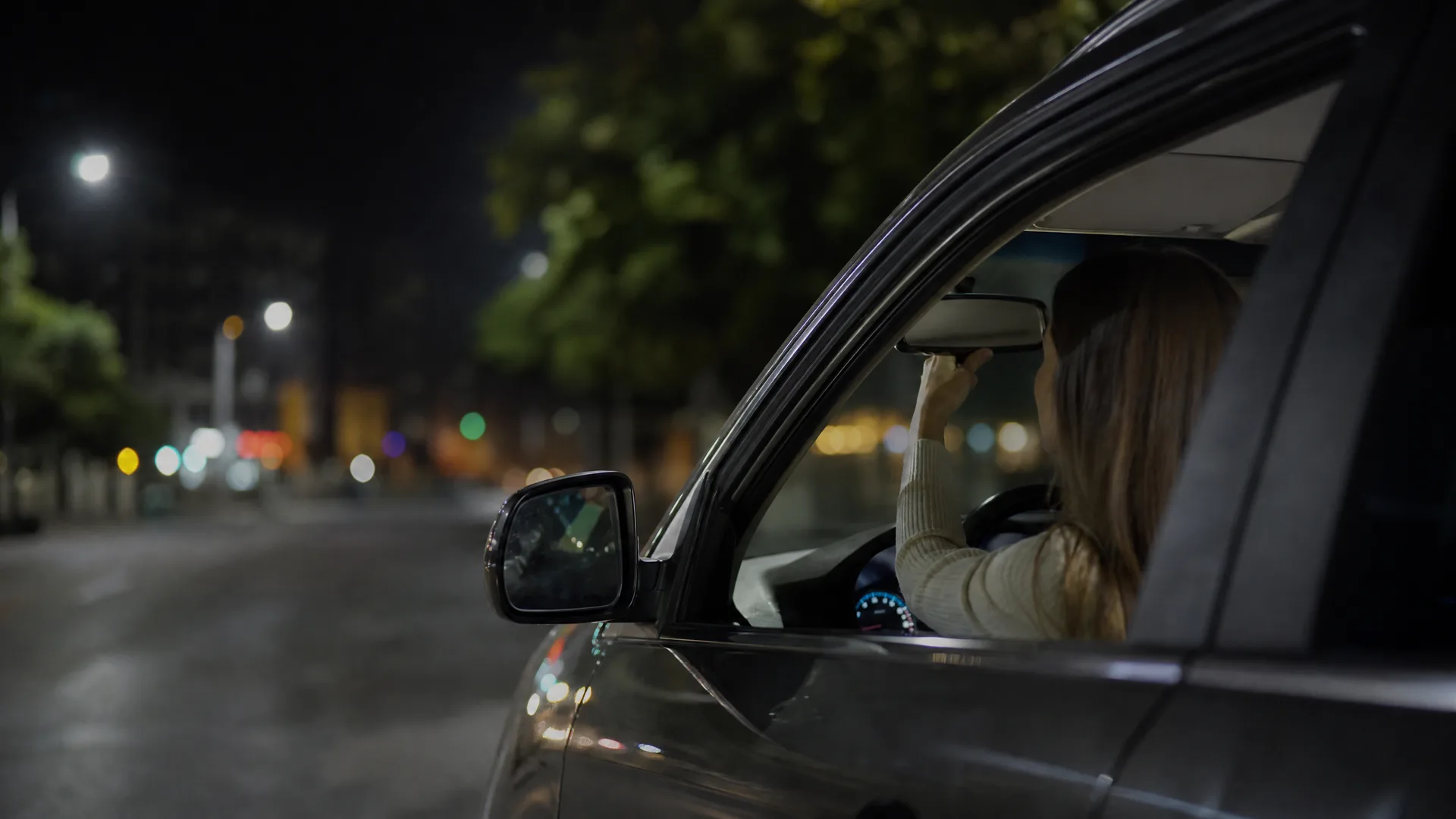
Colorado DUI Refusal: Probationary License Wait Periods Explained
Get My Hardship-License SR-22 QuoteHow Colorado's Express Consent Refusal System Works Separately From Your DUI Case
Colorado runs two independent suspension tracks after a DUI arrest: the DMV's Express Consent administrative revocation under C.R.S. 42-2-126, and the court's criminal DUI revocation. If you refused the chemical test, the Express Consent track triggers a 1-year administrative revocation for a first refusal. That revocation begins the day the DMV processes your notice, typically 7 to 10 days after arrest.
The criminal DUI case proceeds separately. Even if your criminal case is dismissed or reduced, the refusal revocation stands unless you win an Express Consent hearing within 7 days of arrest. Most drivers miss this window because they focus on criminal defense first.
The probationary license program (Colorado's term for early reinstatement with ignition interlock) applies to both tracks, but the refusal revocation often sets the longer wait period. For a first-offense DUI with BAC over 0.08 but no refusal, the administrative suspension is 9 months and early reinstatement is available immediately with ignition interlock. For a first refusal, the 1-year revocation applies and the early reinstatement wait period depends on whether the criminal case resolves to a DUI conviction.
When You Can Apply for Early Reinstatement After a First Refusal
Colorado allows early reinstatement with ignition interlock essentially from the start of the revocation period for first-offense DUI cases, but refusal cases face a longer wait if the criminal DUI conviction follows. If your refusal revocation is your only suspension (criminal case dismissed or not yet resolved), you can apply for early reinstatement immediately after the revocation begins, subject to proof of SR-22 insurance and ignition interlock installation.
If you are convicted of DUI after refusing the test, the criminal revocation runs concurrently with the refusal revocation, and the total revocation period extends to match the longer of the two. For a first DUI conviction, the criminal revocation is typically 9 months. For a first refusal, the administrative revocation is 1 year. The 1-year period controls.
Early reinstatement becomes available once you complete ignition interlock installation, file SR-22 proof of insurance, and pay the $95 reinstatement fee. Colorado does not impose a mandatory hard suspension period before interlock-based early reinstatement for first offenses, but if your criminal case adds a second DUI designation or you are classified as a persistent drunk driver (two or more DUI/DWAI offenses), the mandatory ignition interlock period extends to 2 years.
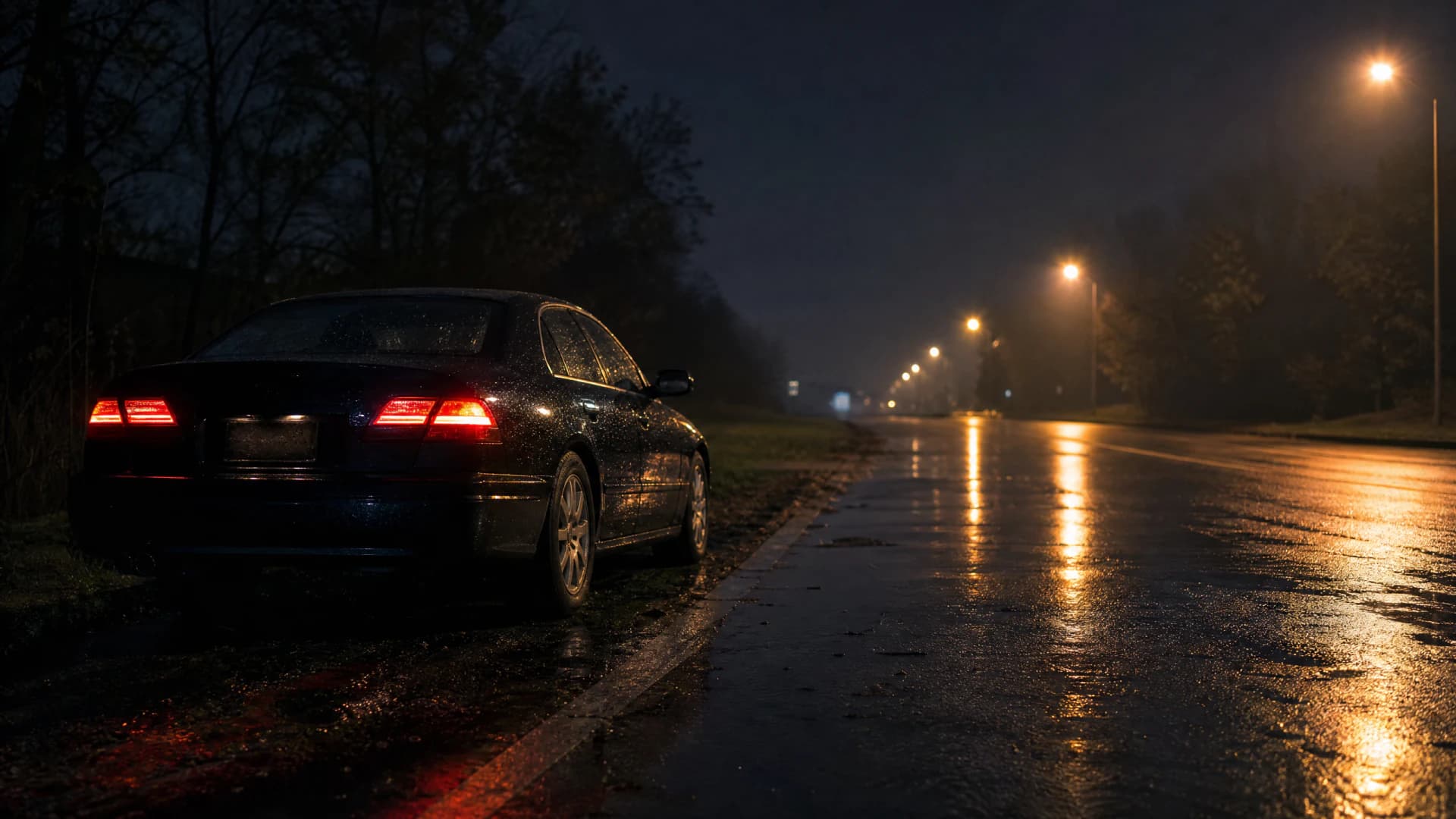

What Documentation Colorado DMV Requires for Probationary License After Refusal
Colorado DMV requires proof of SR-22 insurance filing, proof of ignition interlock device installation from a state-approved vendor, and completion of the early reinstatement application. The SR-22 filing must remain active for 3 years from the date of reinstatement. If your SR-22 lapses at any point during that period, the DMV suspends your license again and you start over.
The ignition interlock device must be installed by a Colorado-approved vendor. The vendor submits installation verification directly to the DMV. You cannot drive legally until the DMV processes the reinstatement application and issues the probationary license, even if the device is installed and SR-22 is filed.
If the refusal revocation stems from a DUI arrest and your criminal case is still pending, you may apply for early reinstatement based on the administrative revocation alone. If you are later convicted in criminal court, the DMV adjusts the reinstatement conditions to match the criminal revocation requirements, which may extend your ignition interlock period or impose additional restrictions.

Drive Legally on Your Restricted License
Get My Hardship-License SR-22 QuoteHow Second Refusals and Persistent Drunk Driver Designation Change the Timeline
A second refusal within 7 years triggers a 2-year administrative revocation under Express Consent. Early reinstatement with ignition interlock is still available, but Colorado classifies you as a persistent drunk driver if you have two or more DUI/DWAI offenses on record. That designation requires a mandatory 2-year ignition interlock period as a condition of any driving privileges.
The persistent drunk driver classification applies even if one or both offenses did not result in conviction, as long as the DMV administrative revocations remain on your record. The classification controls your reinstatement timeline more strictly than the underlying criminal case outcomes.
If you refused the test on a second DUI arrest, you face the 2-year refusal revocation, the 2-year ignition interlock requirement, and extended SR-22 filing (still 3 years from reinstatement, but reinstatement now occurs 2 years later). Total timeline from arrest to unrestricted license: typically 5 years for a second refusal with persistent drunk driver status.
Where Refusal Cases Differ From BAC-Failure Administrative Suspensions
Colorado treats refusals more harshly than BAC-test failures in the administrative track. A first BAC failure (0.08 or higher) triggers a 9-month administrative suspension. A first refusal triggers a 1-year administrative revocation. Both allow early reinstatement with ignition interlock, but the refusal revocation period is 3 months longer.
The refusal also eliminates your ability to challenge the administrative action on evidentiary grounds. In a BAC-failure Express Consent hearing, you can argue the test was improperly administered, the officer lacked probable cause, or the BAC result was inaccurate. In a refusal case, the only viable defenses at the Express Consent hearing are that you were not driving, the officer did not properly advise you of consequences, or the refusal was not actually a refusal (for example, you attempted to comply but could not produce a sufficient sample due to a medical condition).
Most refusal Express Consent hearings result in sustained revocations. If you lose the hearing, the 1-year revocation stands and early reinstatement with ignition interlock becomes your only path to drive legally during that period.
What SR-22 Filing Costs and How Long It Runs After a Refusal Revocation
Colorado requires SR-22 insurance filing for 3 years from the date of reinstatement after a DUI-related revocation, whether the revocation stems from a criminal conviction or an Express Consent refusal. The SR-22 filing itself costs $15 to $50 depending on the carrier. The larger cost is the premium increase: drivers with a DUI or refusal revocation typically pay $140 to $240 per month for liability coverage with SR-22, compared to $85 to $130 per month for a clean-record driver.
If you do not own a vehicle, you need non-owner SR-22 insurance. Non-owner policies meet the SR-22 filing requirement and cost slightly less than standard policies, typically $90 to $180 per month for post-DUI drivers. The SR-22 filing period begins when the DMV reinstates your probationary license, not when you file the SR-22.
If your SR-22 lapses at any point during the 3-year period (carrier cancels your policy, you cancel the policy, or you fail to pay premiums), the carrier notifies the DMV and your license is suspended again. Reinstatement after an SR-22 lapse requires a new $95 reinstatement fee and filing a new SR-22.
Frequently Asked Questions
Can I get a probationary license in Colorado immediately after refusing a breath test?
Yes, if this is your first refusal. Colorado allows early reinstatement with ignition interlock from the start of the 1-year administrative revocation. You must install an ignition interlock device, file SR-22 insurance, and pay the $95 reinstatement fee before the DMV issues the probationary license.
Does refusing the breath test mean I automatically lose my license for a year in Colorado?
Yes, unless you win an Express Consent hearing within 7 days of arrest. A first refusal triggers a 1-year administrative revocation under C.R.S. 42-2-126. The revocation runs independently from your criminal DUI case and stands even if the criminal charge is dismissed.
How long does SR-22 insurance last after a DUI refusal in Colorado?
Colorado requires SR-22 filing for 3 years from the date your probationary license is reinstated. If your SR-22 lapses during that period, the DMV suspends your license again and you must file a new SR-22 and pay another $95 reinstatement fee.
What happens if I refuse a second time in Colorado?
A second refusal within 7 years triggers a 2-year administrative revocation. If you already have one DUI or DWAI on record, you are classified as a persistent drunk driver and must use an ignition interlock device for 2 years as a condition of early reinstatement.
Can I challenge a refusal revocation in Colorado?
Yes, but only at an Express Consent hearing requested within 7 days of arrest. The hearing examines whether you were driving, whether the officer properly advised you of consequences, and whether the refusal was valid. Most refusal hearings result in sustained revocations because evidentiary challenges to BAC accuracy do not apply.
Do I need a lawyer to apply for a probationary license after refusing the test?
No. Colorado's early reinstatement process is handled by the DMV administratively, not through a court hearing. You complete the application, install the ignition interlock device, file SR-22 insurance, and pay the fee. A lawyer can help with the Express Consent hearing or criminal DUI case, but the probationary license application itself does not require legal representation.
Related Articles
Colorado Early Reinstatement After DUI: Full Process
5/17/2026

Colorado DUI Early Reinstatement: IID Application Guide
5/16/2026

Cost of Colorado Early Reinstatement After DUI
5/17/2026

SD Restricted License Wait After DUI Refusal
5/17/2026
CO Early Reinstatement After Second DUI Eligibility
5/17/2026
Wyoming Probationary License Wait After DUI Refusal
5/16/2026