
How Long New Mexico Makes You Wait for a Restricted License After a DWI Refusal
Get My Hardship-License SR-22 QuoteWhat Happens Immediately After a Refusal in New Mexico
When you refuse a breath or blood test in New Mexico, the arresting officer confiscates your physical license on the spot and issues a temporary 20-day driving permit. The New Mexico Motor Vehicle Division (MVD) receives electronic notice of the refusal within 24 hours under NMSA 1978 § 66-8-111.1, the implied consent statute.
Your administrative revocation begins on day 21 after the refusal date, not your court date. This is a civil penalty enforced by MVD, separate from any criminal DWI charges filed by the district attorney. Most drivers assume the criminal case controls their license status — it does not. The administrative revocation runs on its own timeline.
For a first refusal with no prior DWI convictions or administrative actions in the past five years, MVD imposes a 90-day hard revocation before you become eligible for an Ignition Interlock License (IIL). For second or subsequent refusals, or refusals combined with prior DWI history, the hard period extends to 180 days or longer depending on your record.
The Ignition Interlock License Wait Period for Refusal Cases
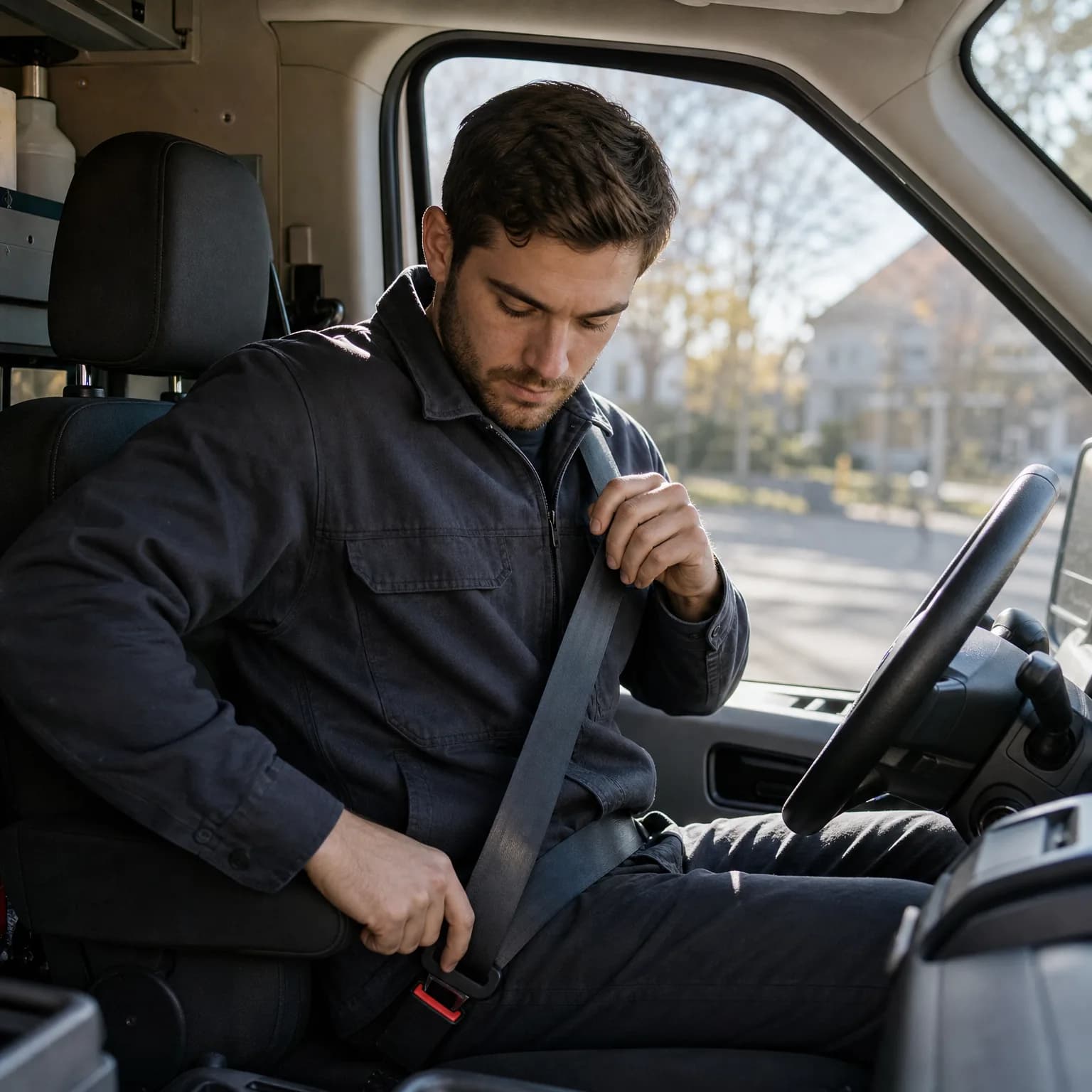
New Mexico's Ignition Interlock Licensing Act (NMSA 1978 §§ 66-5-503 to 66-5-523) governs restricted driving during administrative and criminal DWI revocations. For administrative refusal revocations, you cannot apply for an IIL until the mandatory hard period expires: 90 days for first refusal, 180 days or more for repeat offenses.
The hard period is absolute. MVD will not accept an IIL application, process SR-22 filing, or schedule ignition interlock device installation until day 91 (first refusal) or day 181 (second refusal). Drivers who contact MVD or interlock vendors during the first 89 days are told to call back after the hard period ends.
Once the hard period expires, you must complete four steps before driving legally: (1) petition MVD for IIL eligibility, (2) install a state-certified ignition interlock device with an approved vendor, (3) file an SR-22 certificate with MVD, and (4) pay the $102 reinstatement fee plus $25 restricted license issuance fee. The SR-22 filing must remain active for three years from the date of reinstatement, not from the date of refusal.

Court-Petitioned Restricted Licenses vs. MVD Ignition Interlock Licenses
New Mexico's dual-agency structure creates two restricted license pathways: MVD-issued Ignition Interlock Licenses under the administrative program, and court-ordered restricted licenses petitioned through district court during criminal DWI proceedings. These are not the same license.
If you refused testing and were charged criminally with DWI, your attorney can petition the district court for a restricted license before the 90-day MVD hard period expires. The court has discretion to grant limited driving privileges for work, school, medical appointments, and court-ordered treatment — even during the administrative hard period. NMSA 1978 § 66-5-33 grants this authority separate from MVD's administrative program.
Court-petitioned restricted licenses require proof of ignition interlock installation, SR-22 filing, and documentation of employment or qualifying need. The court defines approved routes, hours, and purposes on the order itself. If granted, the court license allows you to drive during the MVD hard period, but only for purposes and hours the judge approves. Once the MVD hard period expires, most drivers transition to the broader Ignition Interlock License to eliminate route and time restrictions.
Not all judges grant early restricted licenses for refusal cases. Bernalillo, Doña Ana, and Santa Fe county courts are more likely to approve petitions if you install interlock voluntarily before the hearing and show employment documentation. Rural district courts vary by judge.
How MVD Counts Prior Offenses for Refusal Wait Periods
MVD applies a five-year lookback window when calculating your refusal wait period. Any prior DWI conviction, administrative refusal revocation, or ignition interlock violation within five years of the current refusal date moves you into the second-offense category, triggering the 180-day hard period.
The five-year window is measured from arrest date to arrest date, not conviction date to arrest date. A first DWI conviction from four years ago that resulted in administrative action counts against you even if the criminal case was reduced to reckless driving. MVD tracks administrative actions independently from court outcomes.
Felony DWI refusals — typically fourth DWI within ten years or refusal causing great bodily harm under NMSA 1978 § 66-8-102(D) — trigger a one-year mandatory hard revocation before IIL eligibility. Felony refusal cases are not eligible for court-petitioned restricted licenses during the first 365 days in most judicial districts.

Drive Legally on Your Restricted License
Get My Hardship-License SR-22 Quote
What SR-22 Filing Costs After a Refusal in New Mexico
SR-22 is a continuous insurance certification required for all DWI and refusal-related revocations in New Mexico. Your insurer files the certificate electronically with MVD, verifying you carry at least the state minimum liability limits: $25,000 per person bodily injury, $50,000 per accident bodily injury, and $10,000 property damage.
Most carriers charge a one-time SR-22 filing fee of $15 to $50. The ongoing cost is the premium increase for high-risk classification, not the filing itself. Monthly premiums for drivers with refusal or DWI administrative actions in New Mexico typically range $140 to $240 per month for minimum liability coverage, depending on age, prior claims, and county. Estimates based on available industry data; individual rates vary.
If you do not own a vehicle, you need a non-owner SR-22 policy. This covers liability when you drive a borrowed or rented vehicle and satisfies MVD's SR-22 requirement for IIL eligibility. Non-owner SR-22 premiums in New Mexico run approximately $50 to $90 per month. Cancellation or lapse of SR-22 coverage during the three-year filing period triggers automatic re-suspension by MVD, restarting the hard period from day one.

Total Cost to Reinstate and Drive Legally After a Refusal
The full cost to regain restricted driving privileges after a New Mexico refusal includes MVD fees, ignition interlock installation and monitoring, SR-22 insurance, and DWI school if court-ordered. For first refusal cases, expect the following:
MVD reinstatement fee: $102. Restricted license issuance fee: $25. Ignition interlock installation: $75 to $150. Monthly ignition interlock monitoring: $75 to $100 per month for the duration of the IIL period (typically 12 months minimum). SR-22 filing fee: $15 to $50 one-time. SR-22 premium increase: approximately $1,680 to $2,880 annually ($140 to $240 per month) over baseline rates.
Over a 12-month IIL period with three-year SR-22 filing, total cost typically ranges $6,000 to $9,500. This does not include criminal attorney fees, DWI school tuition (court-ordered programs run $300 to $500), or increased vehicle insurance if you own a car. Drivers who install interlock voluntarily before the hard period ends to support a court petition pay installation costs earlier but may shorten total time without full driving privileges.
What Happens If You Drive During the Hard Period
Driving on a revoked license during the MVD hard period is a misdemeanor under NMSA 1978 § 66-5-39. First conviction carries up to 90 days in jail and a $300 fine. Second conviction within five years is a fourth-degree felony with mandatory 18-month prison sentence.
MVD receives real-time electronic alerts from law enforcement when a revoked driver is cited. A driving-while-revoked citation during the hard period extends your total revocation by the remaining hard period days plus an additional penalty period set by MVD — typically 90 to 180 days added. If you were 60 days into a 90-day hard period when cited, the clock resets to day one and adds penalty days on top.
Court-petitioned restricted licenses during the hard period avoid this risk, but only if you drive strictly within approved routes, times, and purposes. Deviation from the court order — even a single stop for groceries on the way home from work — is treated as driving on a revoked license. GPS monitoring is rare in New Mexico restricted license cases, but arresting officers review route compliance during traffic stops by comparing your location and time against the court order.
Frequently Asked Questions
Can I get a restricted license immediately after refusing a breath test in New Mexico?
No. New Mexico MVD imposes a mandatory 90-day hard revocation for first refusals before you can apply for an Ignition Interlock License. However, you may petition district court for a court-ordered restricted license during the hard period if you install ignition interlock and file SR-22 before the hearing.
Does New Mexico count prior DWI convictions when setting the refusal wait period?
Yes. MVD applies a five-year lookback window from arrest date to arrest date. Any prior DWI conviction, administrative refusal, or ignition interlock violation within five years moves you into the second-offense category, triggering a 180-day hard period instead of 90 days.
How long do I have to keep SR-22 insurance after a refusal in New Mexico?
Three years from the date of reinstatement, not from the date of refusal. If your SR-22 policy cancels or lapses during the three-year period, MVD re-suspends your license immediately and the hard period restarts from day one.
What happens if I refuse a second time in New Mexico?
A second refusal within five years triggers a 180-day mandatory hard revocation before Ignition Interlock License eligibility. The SR-22 filing period remains three years, but total revocation length and ignition interlock duration increase based on prior administrative and criminal history.
Can I install ignition interlock before the 90-day hard period ends?
Yes, and doing so strengthens a court petition for early restricted license privileges. MVD will not issue an Ignition Interlock License until day 91, but district courts have discretion to grant court-ordered restricted licenses with interlock during the MVD hard period if you demonstrate qualifying need.
Do I need a lawyer to petition for a court-ordered restricted license in New Mexico?
Not legally required, but strongly recommended. District court restricted license petitions require drafting a motion, compiling documentation (employer affidavit, SR-22, interlock installation receipt), and presenting argument at a hearing. Judges deny poorly documented petitions routinely, especially in refusal cases.
Related Articles

Driving After DWI in New Mexico: Restricted License Rules
5/16/2026
Why NM Requires 1 Year IID Before Restricted License
5/17/2026

Second DWI Restricted License in New Mexico: Who Qualifies
5/17/2026

NM Restricted License After DWI: MVD & IID Costs
5/17/2026

NH Hardship License Wait After DWI Refusal Explained
5/17/2026
NM Aggravated DWI (.16 BAC): Restricted License Guide
5/17/2026