How Long South Dakota Makes You Wait for a Restricted License After a DUI Refusal
Get My Hardship-License SR-22 QuoteWhat South Dakota's Implied Consent Revocation Does to Your Timeline
South Dakota's implied consent law under SDCL 32-23-11 triggers administrative license revocation at arrest, not conviction. If you refuse the breathalyzer or blood test, the state revokes your license for 1 year. If you submit to testing and your BAC is at or above the legal limit, the revocation period is 30 days. These are administrative actions handled by the South Dakota Division of Motor Vehicles, separate from any criminal DUI court case.
The distinction matters for restricted license timing. A restricted license petition filed with the circuit court can only be granted after you serve a hard suspension period. For first-offense DUI with a positive test result, the typical hard suspension is 30 days before restricted driving privileges become available. For refusal cases, the 1-year revocation period governs eligibility — not the 30-day DUI suspension you may also face from the criminal court.
Many drivers assume the shorter DUI suspension timeline applies and file their petition too early. The circuit court will deny a petition filed before you complete the mandatory hard suspension tied to the longest applicable revocation. If both administrative and criminal suspensions apply, the circuit court uses the longer period as the eligibility threshold.
The 30-Day Hard Suspension Period for First-Offense DUI (Without Refusal)
South Dakota generally requires a 30-day hard suspension before restricted driving privileges become available for first-offense DUI. This period applies when you submit to chemical testing and your BAC is at or above 0.08%. During the 30 days, no driving is permitted under any circumstance — employment, medical appointments, or otherwise.
After 30 days, you may petition the circuit court for a restricted license. The petition is filed with the circuit court in the county where you were arrested or reside, not with the DMV. South Dakota does not offer a DMV-administered hardship license process. The circuit court has discretion to grant restricted driving privileges based on demonstrated need, compliance with DUI program requirements, and proof of SR-22 insurance.
If your petition is granted, the court order defines your permitted driving hours, routes, and purposes. Typical restrictions limit driving to employment, DUI education classes, medical appointments, and court-ordered obligations. The court does not grant unrestricted privileges — every grant is conditioned on specific, documented need.

Why Refusal Cases Push the Wait to 1 Year
Refusing the chemical test under South Dakota's implied consent statute triggers a separate 1-year administrative license revocation. This revocation runs independently of any criminal DUI suspension imposed by the court. The circuit court will not grant restricted driving privileges during the first year of a refusal-based revocation unless you successfully challenge the revocation at an administrative hearing.
The administrative hearing must be requested within 30 days of your arrest. If you miss the 30-day window or lose the hearing, the 1-year revocation stands. The circuit court does not have authority to override the administrative revocation timeline. Your earliest eligibility for a restricted license petition is after the 1-year revocation period ends, unless the administrative revocation is overturned.
Drivers who refuse testing in South Dakota face the longest wait for restricted privileges. The refusal penalty is harsher than the penalty for failing the test because the state treats refusal as an independent violation of the implied consent agreement you accepted when you obtained your South Dakota driver's license.

Drive Legally on Your Restricted License
Get My Hardship-License SR-22 QuoteWhat the Circuit Court Requires in Your Restricted License Petition
South Dakota restricted license petitions are filed with the circuit court, not the DMV. The petition must include proof of employment or essential need, an SR-22 certificate of insurance, and documentation supporting the specific driving purposes you request. Most courts require an employer letter on company letterhead stating your work hours, location, and confirmation that no alternative transportation is available.
If your DUI conviction or administrative revocation requires an ignition interlock device, you must install the IID before the court will grant restricted privileges. South Dakota's ignition interlock program under SDCL 32-23-109 applies to most DUI-related restricted licenses. The IID requirement typically lasts for the duration of the restricted license period and may extend into full reinstatement depending on your offense history.
The court defines the scope of your restricted license in the order. Routes, hours, and purposes are explicitly listed. Driving outside the court-defined restrictions is treated as driving under suspension — a misdemeanor that terminates your restricted license and extends your total suspension period. Most courts require proof of IID compliance and SR-22 filing at the time of the hearing.
How SR-22 Filing Works After a DUI Refusal in South Dakota
South Dakota requires SR-22 filing for 3 years after a DUI conviction or administrative revocation. The SR-22 is a certificate filed by your insurance carrier with the South Dakota Division of Motor Vehicles confirming you carry at least the state minimum liability coverage: $25,000 per person, $50,000 per accident for bodily injury, and $25,000 for property damage.
You cannot petition for a restricted license without an active SR-22 on file. The circuit court will deny your petition if you do not provide proof of SR-22 insurance at the hearing. Carriers that write SR-22 policies in South Dakota include Geico, Progressive, State Farm, Dairyland, Bristol West, The General, and National General. Non-owner SR-22 policies are available if you do not own a vehicle but need to meet the filing requirement.
The 3-year filing period begins on the date the SR-22 is filed, not the date of your conviction or revocation. If your SR-22 lapses at any point during the 3 years, the DMV suspends your license again and the 3-year clock resets. Carriers charge a one-time filing fee of $15 to $50, and premiums for SR-22 policies typically range from $140 to $280 per month depending on your driving record and location.
Cost Breakdown for South Dakota Restricted License and Reinstatement
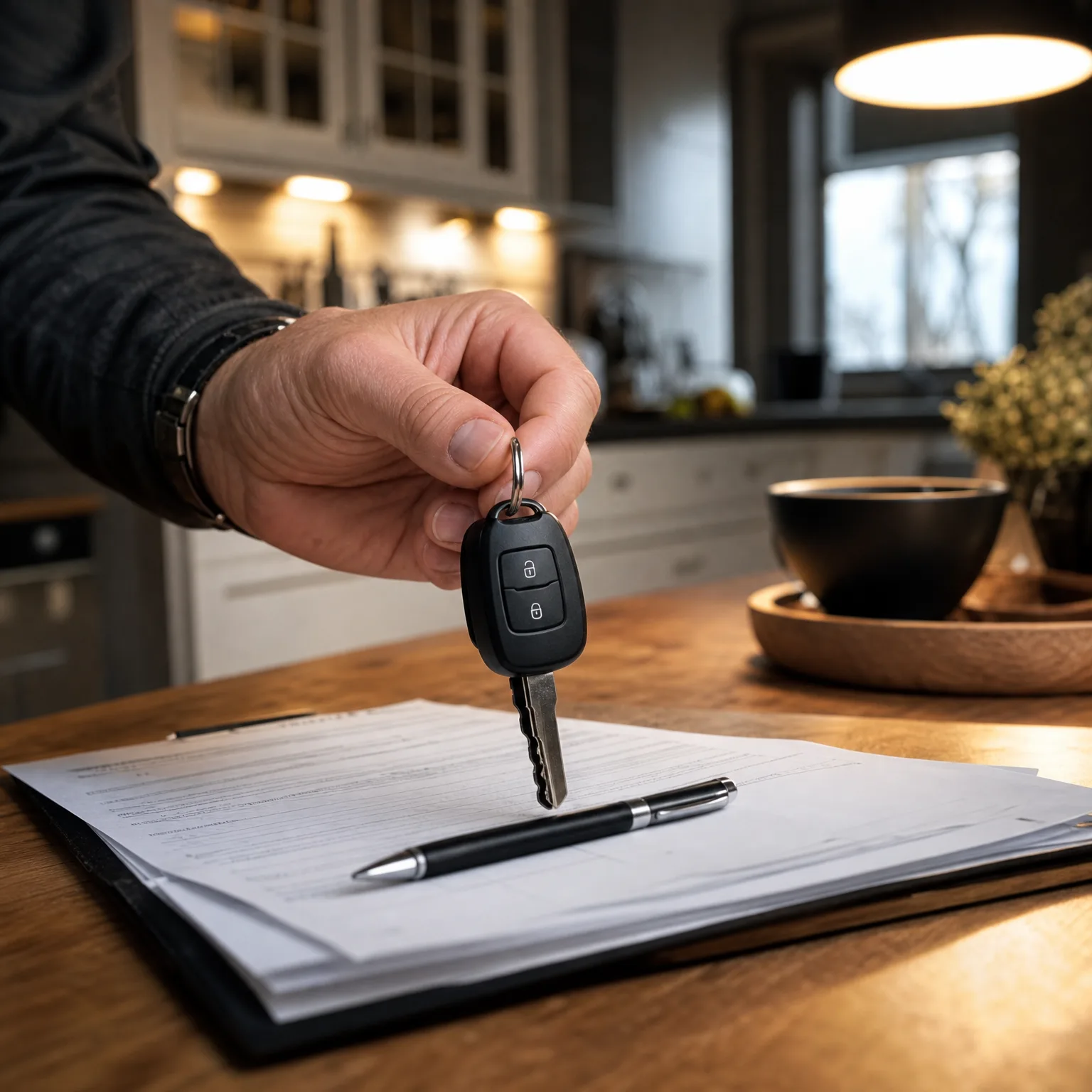
The total cost to obtain a restricted license and eventually reinstate your full driving privileges in South Dakota includes court filing fees, SR-22 insurance premiums, ignition interlock device costs, and the state reinstatement fee. Court filing fees for the restricted license petition vary by county but typically range from $50 to $150. The SR-22 filing fee is $15 to $50 one-time, and monthly premiums run $140 to $280.
Ignition interlock installation costs approximately $75 to $150, with monthly monitoring fees of $70 to $100. If you are required to maintain the IID for the full restricted license period (often 1 to 2 years for first-offense DUI), total IID costs can reach $1,000 to $2,500. South Dakota's base reinstatement fee is $50, paid to the DMV when your full license is restored.
Estimates based on available industry data; individual costs vary by county, IID provider, and insurance carrier. The total cost over the restricted license period and 3-year SR-22 filing window typically ranges from $3,500 to $7,000 for first-offense DUI. Refusal cases with the longer 1-year wait before restricted privileges incur additional costs if alternative transportation is needed during the hard suspension year.
Frequently Asked Questions
Can I get a restricted license immediately after a DUI arrest in South Dakota?
No. South Dakota requires a 30-day hard suspension for first-offense DUI with chemical test submission before you can petition the circuit court for restricted driving privileges. Refusal cases face a 1-year administrative revocation with no restricted license eligibility unless the revocation is overturned at an administrative hearing.
What happens if I drive during the hard suspension period in South Dakota?
Driving during the hard suspension period is charged as driving under suspension, a Class 2 misdemeanor in South Dakota. A conviction adds additional suspension time, fines, and possible jail time. It also disqualifies you from restricted license eligibility for the duration of the new suspension.
Does South Dakota offer a DMV-administered hardship license for DUI?
No. South Dakota does not have a DMV-administered hardship license program. All restricted license petitions for DUI-related suspensions must be filed with the circuit court. The court has discretion to grant or deny based on demonstrated need and compliance with DUI program requirements.
How long does the ignition interlock requirement last in South Dakota?
The ignition interlock requirement for DUI-related restricted licenses in South Dakota typically lasts for the duration of the restricted license period, often 1 to 2 years for first-offense DUI. The court order defines the exact IID duration. Removal requires court approval and proof of compliance.
What is the difference between administrative revocation and court suspension in South Dakota?
Administrative revocation is imposed by the South Dakota DMV under implied consent law at the time of arrest — 30 days for failing the test, 1 year for refusing. Court suspension is imposed by the criminal court as part of DUI sentencing. Both can apply simultaneously, and the circuit court uses the longer period to determine restricted license eligibility.
Can I challenge the 1-year refusal revocation in South Dakota?
Yes. You must request an administrative hearing within 30 days of your arrest. The hearing challenges the administrative revocation only, not the criminal DUI charge. If you win the hearing, the 1-year revocation is overturned and restricted license eligibility is governed by the criminal court suspension timeline instead.
Related Articles
South Dakota DUI Restricted License Wait Period
5/16/2026
SD Second DUI Restricted License Eligibility Guide
5/16/2026
Idaho DUI Refusal Restricted License Wait Period
5/17/2026
MN Limited License Wait After DWI Refusal Explained
5/16/2026
ND Hardship License Wait After DUI Refusal | TRL
5/16/2026

SC Route Restricted License Wait After DUI Refusal
5/16/2026