
Vermont DUI Refusal: Civil Suspension License Wait Period
Get My Hardship-License SR-22 QuoteVermont Treats Refusal Suspensions as Civil Administrative Actions, Not Criminal Penalties
Vermont's implied consent law (23 V.S.A. § 1205) triggers a 6-month administrative suspension the moment you refuse a chemical test after a DUI arrest — completely independent of whether you're ever convicted in criminal court. The Vermont DMV issues this suspension as a civil penalty for refusing the test itself, not for driving under the influence.
This matters because your Civil Suspension License eligibility timeline starts from the refusal suspension start date, not from any future criminal conviction date. If your refusal suspension began October 1st but your criminal case doesn't resolve until December, you're already two months into the civil suspension clock.
Most drivers assume they need to wait for the criminal case to close before petitioning for work privileges. Vermont's system doesn't work that way. The civil suspension runs on its own track, and your petition window opens according to civil suspension rules, not criminal court calendars.
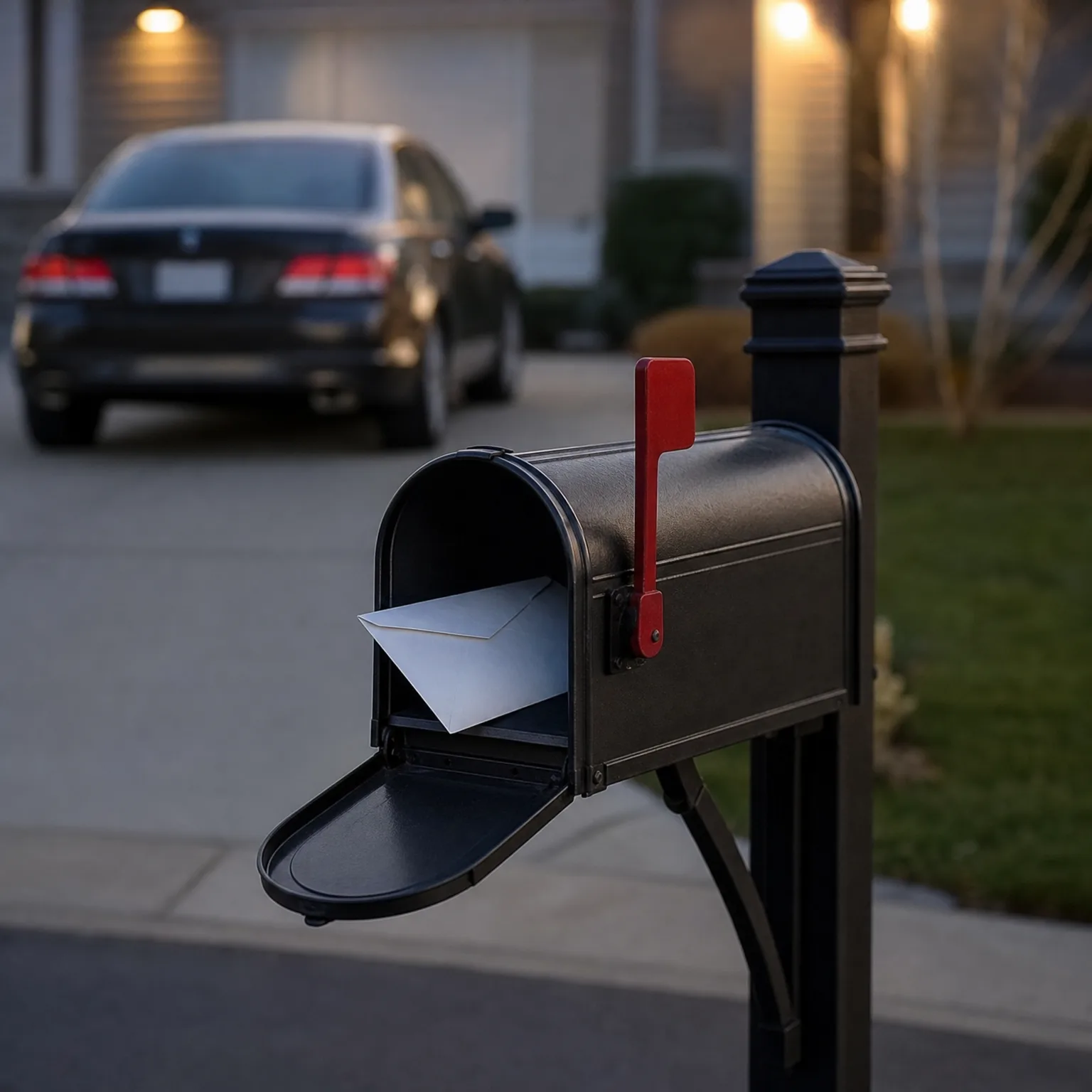
First-Offense DUI Refusals Face a Mandatory 90-Day Hard Suspension Before Civil Suspension License Eligibility
Vermont imposes a mandatory 90-day hard suspension period before you can petition for a Civil Suspension License after a first-offense DUI refusal. This means no driving privileges of any kind — hardship, occupational, or otherwise — for the first three months.
The 90-day clock starts the day your administrative suspension takes effect, which is typically 30 days after the refusal date (the standard notice period Vermont DMV uses before suspension becomes active). If you refused the test on September 15th, your suspension likely begins October 15th, and your earliest petition date would be January 13th.
Second and subsequent DUI refusals carry longer mandatory hard suspension periods before Civil Suspension License eligibility opens. Repeat offenders should verify their specific waiting period with Vermont Superior Court, Civil Division, because the wait can extend to 180 days or longer depending on offense history.
Vermont's Civil Suspension License Requires a Court Petition, Not a DMV Application
Unlike most states where the DMV grants hardship licenses administratively, Vermont's Civil Suspension License is issued exclusively by the Vermont Superior Court, Civil Division (23 V.S.A. § 674). You file a petition in the county where you reside, not at a DMV office.
The petition must demonstrate genuine hardship — typically employment, medical treatment, educational enrollment, or essential household needs like caring for a dependent. Vermont courts expect you to document the need with employer letters, medical appointment schedules, school enrollment verification, or similar proof. Generic "I need to drive" petitions are routinely denied.
You'll also need to show proof of insurance or file an SR-22 certificate of financial responsibility with the Vermont DMV before the court will approve driving privileges. Most insurance carriers require the SR-22 filing to remain active for 3 years from your reinstatement date, and the monthly premium increase typically ranges from $40 to $90 depending on your driving history and carrier.

Drive Legally on Your Restricted License
Get My Hardship-License SR-22 QuoteVermont Requires Ignition Interlock Device Installation for DUI-Related Civil Suspension Licenses
Vermont mandates ignition interlock device (IID) installation for any Civil Suspension License granted after a DUI refusal (23 V.S.A. § 1213). The device prevents your vehicle from starting unless you provide a clean breath sample, and it logs every attempted start and rolling retest.
Installation costs approximately $100 to $150, with monthly monitoring and calibration fees around $75 to $100. Over the course of a 6-month civil suspension period (the duration of a first-offense refusal suspension), total IID costs typically run $550 to $750.
Violating the terms of your Civil Suspension License — driving outside approved hours, failing a rolling retest, attempting to tamper with the device, or driving a vehicle without an installed IID when your license restricts you to IID-equipped vehicles only — triggers automatic revocation of the license and can extend your total suspension period. Vermont courts treat IID violations seriously because they indicate ongoing impairment risk.
The Court Defines Approved Routes, Hours, and Purposes — Not Just a Blanket Work Permit
Vermont's Civil Suspension License is not a general-use restricted license. The court order specifies exactly when you can drive, where you can drive, and for what purposes. Most orders limit driving to employment hours plus a direct commute, medical appointments, DUI education classes, and IID calibration appointments.
If your employer changes your shift schedule or work location after the court grants the license, you need to file an amended petition to update the approved hours and routes. Driving outside the court-defined parameters — even for an emergency — can result in revocation and potentially new criminal charges for operating after suspension.
Keep a copy of the court order in your vehicle at all times. Vermont law enforcement can stop you and verify that your current trip falls within the approved scope of your Civil Suspension License. If you're driving at 10 p.m. and your court order restricts you to employment hours ending at 6 p.m., that's a violation regardless of why you're on the road.
What Happens If You're Convicted of DUI After the Refusal Suspension Begins
The criminal DUI conviction triggers a separate court-ordered suspension that runs concurrently with — not consecutively to — the civil refusal suspension in most cases. Vermont's dual-track system means you're serving both suspensions simultaneously, but the longer of the two controls your total suspension period.
A first-offense DUI conviction typically carries a 90-day criminal suspension. Since your refusal suspension is already 6 months, the criminal suspension doesn't extend your total time off the road — it just adds another layer of reinstatement requirements once the 6-month civil suspension ends.
You'll need to satisfy both the civil reinstatement process (paying the reinstatement fee, maintaining SR-22 for the required period) and the criminal reinstatement process (completing DUI education, paying court fines, meeting any probation conditions) before the Vermont DMV will restore full driving privileges. The base reinstatement fee is $71, but total reinstatement costs including SR-22 filing, IID removal, and DUI program fees typically run $500 to $800.
Frequently Asked Questions
Can I get a Civil Suspension License immediately after a Vermont DUI refusal?
No. Vermont imposes a mandatory 90-day hard suspension before you can petition for a Civil Suspension License after a first-offense DUI refusal. The 90 days start when the administrative suspension takes effect, typically 30 days after the refusal date.
Does Vermont DMV grant hardship licenses for DUI refusal suspensions?
No. Vermont's Civil Suspension License is granted by the Vermont Superior Court, Civil Division, not by the DMV. You file a petition in the county where you reside, demonstrating employment, medical, or educational hardship.
How much does a Vermont Civil Suspension License cost after a DUI refusal?
Court filing fees vary by county but typically range from $50 to $150. You'll also pay $100 to $150 for ignition interlock installation, $75 to $100 monthly for IID monitoring, SR-22 filing fees, and increased insurance premiums. Total cost over the suspension period typically runs $2,500 to $4,000.
What happens if I drive outside the approved hours on my Vermont Civil Suspension License?
The court will revoke your Civil Suspension License, and you may face new criminal charges for operating after suspension. Vermont law enforcement can verify your court order during any traffic stop, and violations can extend your total suspension period.
Do I need SR-22 insurance for a Vermont Civil Suspension License after a refusal?
Yes. Vermont courts require proof of insurance or an SR-22 certificate before approving a Civil Suspension License petition. The SR-22 filing typically must remain active for 3 years from your reinstatement date, and monthly premiums increase $40 to $90 on average.
Can I get a Civil Suspension License if I don't own a car after a Vermont DUI refusal?
Yes. You can file for non-owner SR-22 insurance, which satisfies Vermont's proof-of-insurance requirement without owning a vehicle. However, you'll still need access to an IID-equipped vehicle to drive under the Civil Suspension License terms.
Related Articles
Vermont Civil Suspension License After DUI: Court Path
5/16/2026
VT 2nd DUI Civil Suspension License Eligibility
5/16/2026

Vermont DUI .16+ BAC: Civil Suspension License Rules
5/16/2026

Vermont's 18-Month IID Rule for Hardship Licenses
5/16/2026

CT SOP Wait After DUI Refusal: 45-Day Hard Suspension
5/16/2026

NH Hardship License Wait After DWI Refusal Explained
5/17/2026