
How to Apply for Colorado Early Reinstatement After a DUI
Get My Hardship-License SR-22 QuoteColorado's Early Reinstatement Program Eliminates the Hard Suspension Period
Colorado's Early Reinstatement program under C.R.S. § 42-2-132.5 allows DUI offenders to bypass the traditional hard suspension period entirely by installing an ignition interlock device before their revocation takes effect. You do not serve any mandatory no-drive period if you enroll in the IID program immediately after your conviction or Express Consent hearing.
The Express Consent administrative revocation runs parallel to your criminal DUI case. A BAC of 0.08% or higher triggers a 9-month administrative revocation through the DMV, separate from any court-imposed penalties. For first offenses, you can apply for early reinstatement with an Interlock Restricted License as soon as the DMV issues the revocation notice.
Colorado uses the term Interlock Restricted License for DUI-related early reinstatement cases. This is functionally the state's hardship license equivalent. The application is filed directly with the DMV, not through the court, and the process is administrative rather than judicial.
Application Steps and Timeline for IID Early Reinstatement
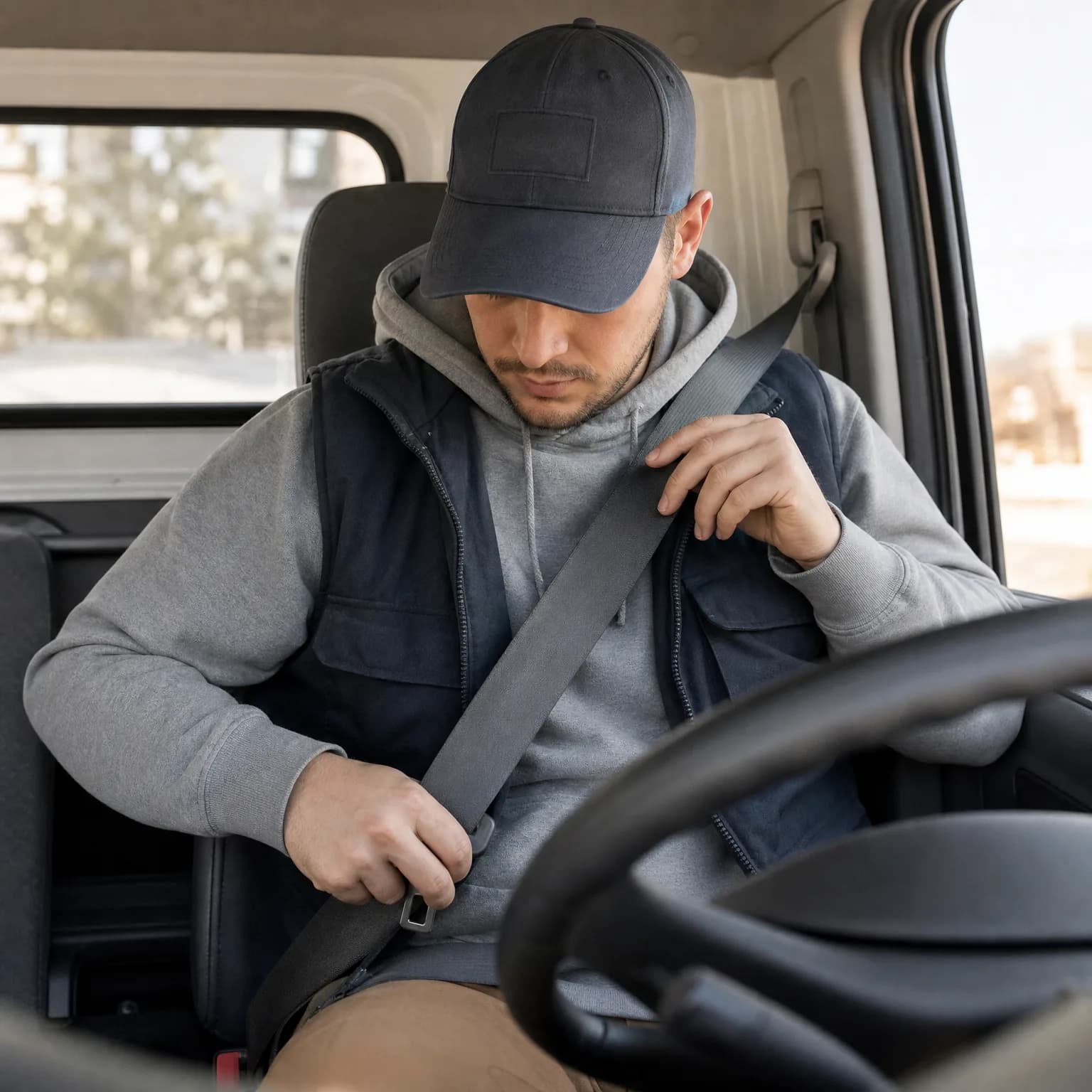
Contact a Colorado DMV-approved ignition interlock vendor within 48 hours of your suspension notice. The vendor installs the device and files proof of installation with the DMV electronically. You must complete this installation before your revocation effective date to avoid any hard suspension period.
Submit your Early Reinstatement application to the DMV along with proof of SR-22 insurance and proof of IID installation. The application fee is $95. Processing typically takes 10 to 15 business days, though the DMV does not guarantee a specific timeline and backlogs can extend this window.
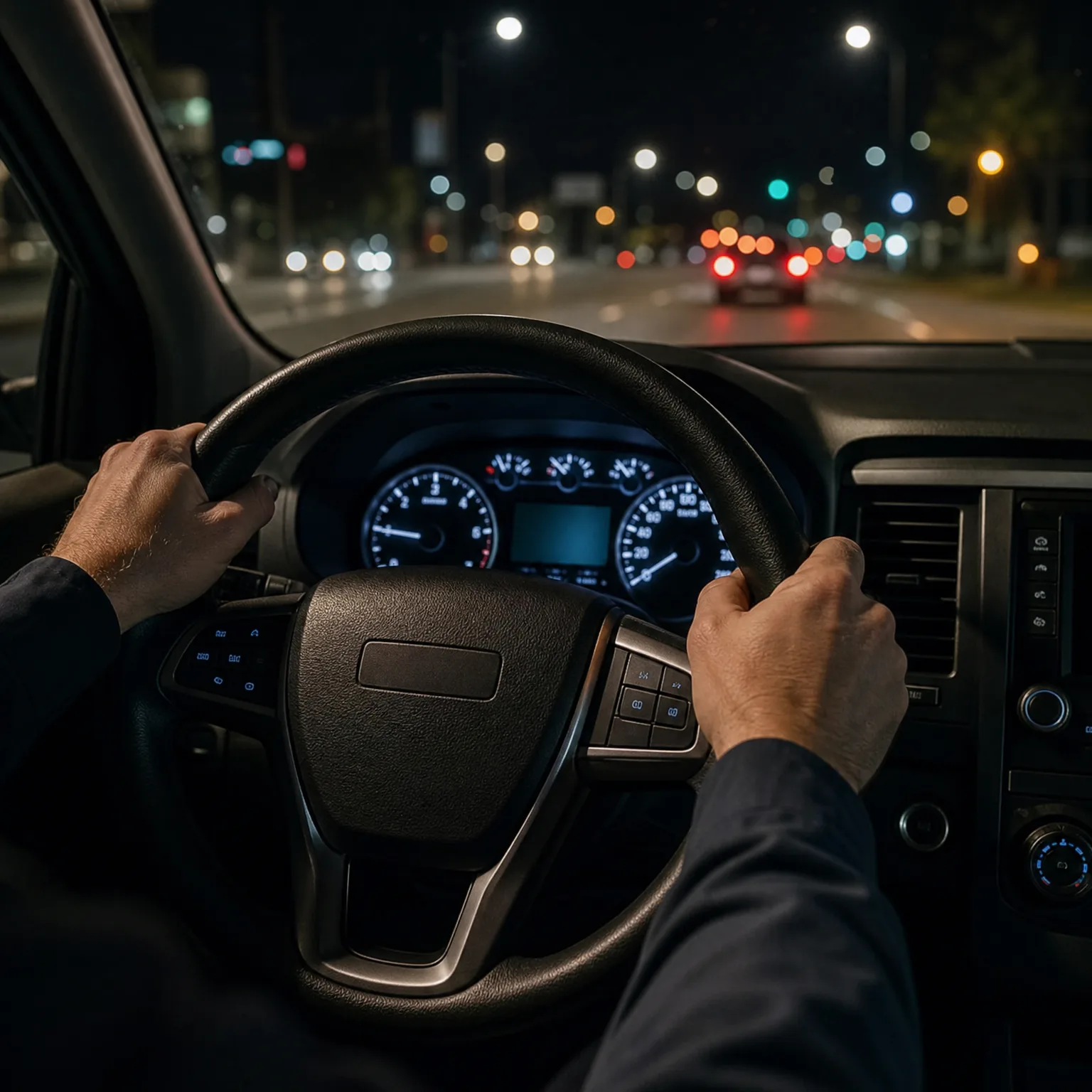
Once approved, your Interlock Restricted License allows driving for necessary purposes only: home to work, home to school, medical appointments, court-ordered DUI education programs, and ignition interlock service appointments. Routes and time windows are specified by the DMV at the time of issuance. Driving outside these approved parameters violates the restriction and triggers immediate revocation without a new hearing.
SR-22 Filing Requirement and Insurance Cost Impact
Colorado requires SR-22 insurance for 3 years following a DUI conviction. The SR-22 is a certificate of financial responsibility your insurance carrier files with the DMV. It is not a type of insurance—it is proof that you carry at least the state's minimum liability coverage: $25,000 per person for bodily injury, $50,000 per accident for bodily injury, and $15,000 for property damage.
Your carrier will charge an SR-22 filing fee of approximately $15 to $50. The real cost is the premium increase. DUI convictions push drivers into high-risk classification, and monthly premiums typically range from $140 to $250 per month depending on your age, driving history, and county. Lapse in SR-22 coverage during the 3-year filing period triggers a new suspension and restarts the clock.
If you do not currently own a vehicle, you need non-owner SR-22 insurance. This policy provides liability coverage when you drive vehicles you do not own, and it satisfies the state's SR-22 filing requirement. Carriers such as Geico, Progressive, Dairyland, The General, and Bristol West write non-owner SR-22 policies in Colorado.
Ignition Interlock Device Costs and Compliance Requirements
IID installation costs $75 to $150. Monthly monitoring and calibration fees run $60 to $90. The device must be serviced every 30 to 60 days at an approved vendor location. Missing a scheduled service appointment triggers a lockout violation reported to the DMV, which can result in immediate revocation of your Interlock Restricted License.
The device logs every attempted start, including failed attempts when alcohol is detected. These logs are uploaded to the DMV at each service visit. Violation events—failed breath tests, attempts to tamper with the device, or skipped service appointments—extend your IID requirement period and can result in criminal charges for circumvention under Colorado law.
For first-offense DUI cases, the IID requirement typically lasts the duration of your administrative revocation period: 9 months for a BAC failure under Express Consent. Drivers designated as persistent drunk drivers (two or more DUI or DWAI offenses) face a mandatory 2-year IID requirement as a condition of any driving privileges during the suspension period.

Drive Legally on Your Restricted License
Get My Hardship-License SR-22 Quote
What Happens If Your Early Reinstatement Application Is Denied
The DMV denies early reinstatement applications when required documentation is incomplete, when proof of SR-22 insurance is not on file, or when the IID installation vendor has not submitted electronic confirmation. You receive written notice of the denial with a list of deficiencies. You can reapply once you correct the deficiencies, but you continue serving the full suspension period until the application is approved.
Unpaid DMV reinstatement fees or unresolved holds from prior suspensions will block approval. Colorado maintains a centralized hold system—an unpaid ticket in Boulder County can block your early reinstatement application for a DUI in Denver County. Clear all holds before filing.
If your criminal DUI case is still pending and you are operating under the Express Consent administrative revocation only, the DMV processes your early reinstatement application independently of the court proceedings. However, if the court later imposes additional restrictions or a longer revocation period as part of sentencing, those court-ordered terms override the DMV-issued Interlock Restricted License. You must comply with whichever set of restrictions is stricter.

Cost Breakdown for Colorado DUI Early Reinstatement
Application fee to the DMV: $95. SR-22 filing fee: $15 to $50. Ignition interlock installation: $75 to $150. Monthly IID monitoring: $60 to $90. SR-22 insurance premium increase: approximately $140 to $250 per month. Over a 9-month early reinstatement period, total cost typically ranges from $2,000 to $3,500, not including attorney fees or court fines.
DUI education program fees add another $300 to $600 depending on the program provider and county. Court-ordered alcohol treatment programs, if mandated, run $500 to $2,000. Colorado statute requires completion of Level II alcohol education for first-offense DUI convictions, and the court may order additional treatment based on a pre-sentence evaluation.
Full reinstatement at the end of your restriction period requires a second $95 reinstatement fee. If you accumulated additional violations during the restriction period, expect higher fees and possible retest requirements. Estimates based on available industry data; individual costs vary by provider, county, and compliance history.
Persistent Drunk Driver Designation and Repeat Offense Rules
Colorado designates drivers with two or more DUI or DWAI offenses as persistent drunk drivers under state law. This designation triggers a mandatory 2-year ignition interlock requirement regardless of early reinstatement eligibility. The IID period begins from the date of conviction, not the date of installation, so delays in enrollment extend your total restriction period.
For second-offense DUI cases, the administrative revocation period extends to 1 year. Early reinstatement is still available, but you serve the full 2-year IID requirement even if your administrative revocation ends earlier. The criminal court may impose additional restrictions or longer revocation periods as part of sentencing.
Third-offense DUI convictions result in revocation, not suspension. Revocation cancels your license entirely. You must reapply for a new license after the revocation period ends, which may include written and road testing. Early reinstatement for third offenses requires a DMV hearing and proof of completion of all court-ordered programs before the hearing date.
Frequently Asked Questions
Can I drive immediately after installing an ignition interlock device in Colorado?
No. You must wait for DMV approval of your Early Reinstatement application before driving with an Interlock Restricted License. IID installation alone does not restore driving privileges—the DMV must process your application and issue the restricted license first, which typically takes 10 to 15 business days.
What happens if I get a second DUI while on an Interlock Restricted License?
A second DUI while on restriction results in immediate revocation of your Interlock Restricted License and criminal charges for driving under revocation. You face a mandatory 1-year revocation for the new offense, plus persistent drunk driver designation and a 2-year IID requirement. The DMV will not approve early reinstatement for the second offense until you complete all court-ordered programs.
Does Colorado accept out-of-state IID installations for early reinstatement?
No. Colorado requires installation by a DMV-approved vendor licensed to operate in Colorado. Out-of-state installations do not satisfy the early reinstatement requirement, even if the device meets Colorado technical specifications. You must use a vendor on the DMV's approved provider list.
Can I remove the ignition interlock device after my 9-month revocation period ends?
Only if the DMV issues written authorization. You must submit proof of successful IID compliance (no violation events) and proof of SR-22 insurance continuation. The DMV reviews your IID log data before authorizing removal. Removing the device without authorization violates your reinstatement terms and triggers a new suspension.
What routes count as approved purposes for an Interlock Restricted License?
Approved purposes typically include home to work, home to school, medical appointments, court-ordered DUI programs, and IID service appointments. The DMV specifies exact routes and time windows on your restriction order. Driving outside these parameters—such as running personal errands or social trips—violates the restriction and triggers revocation.
How do I prove employment for the early reinstatement application?
Submit a signed letter from your employer on company letterhead stating your job title, work address, work hours, and confirmation that driving is necessary for your employment. Self-employed drivers submit business registration documents and a detailed statement of business operations. The DMV may request additional documentation if your initial submission lacks specifics.
Does Colorado allow hardship licenses for refusal cases?
Yes, but the revocation period is longer. A first-offense refusal triggers a 1-year administrative revocation instead of 9 months. You can still apply for early reinstatement with an IID, but you serve the full 1-year restriction period. Second refusals result in a 2-year revocation with stricter reinstatement requirements.
Related Articles
Colorado Early Reinstatement After DUI: Full Process
5/17/2026

Cost of Colorado Early Reinstatement After DUI
5/17/2026
Colorado DUI Hardship License and SR-22
5/29/2026
CO Early Reinstatement After Second DUI Eligibility
5/17/2026

Colorado 2-Year IID After Second DUI Explained
5/17/2026
California IID Restricted License After DUI: How to Apply
5/17/2026