
Kansas DUI With BAC .15+: Enhanced Penalties and Restricted License
Get My Hardship-License SR-22 QuoteWhat Changes When Your BAC Reaches .15 in Kansas
Kansas law treats a DUI with BAC of .15 or higher as an aggravated offense with enhanced penalties beyond the standard DUI administrative suspension. Your 30-day hard suspension period remains the same for a first offense under K.S.A. 8-1002, but the court-imposed criminal suspension runs longer and your path to a restricted license becomes more restrictive.
The administrative license suspension (ALS) issued by the Kansas Department of Revenue Division of Vehicles applies immediately after arrest regardless of BAC level. First offense ALS is 30 days hard suspension followed by 330 days restricted. But when your BAC hits .15 or above, the criminal court adds a separate judicial suspension on top of the administrative track that typically runs 90 days to one year depending on your county and judge.
These two suspension tracks run concurrently in Kansas, meaning the longer one controls your actual restriction period. The court suspension for aggravated DUI almost always exceeds the administrative suspension timeline. You must satisfy both the DOR administrative reinstatement requirements and all court-ordered conditions before you can apply for unrestricted driving privileges.
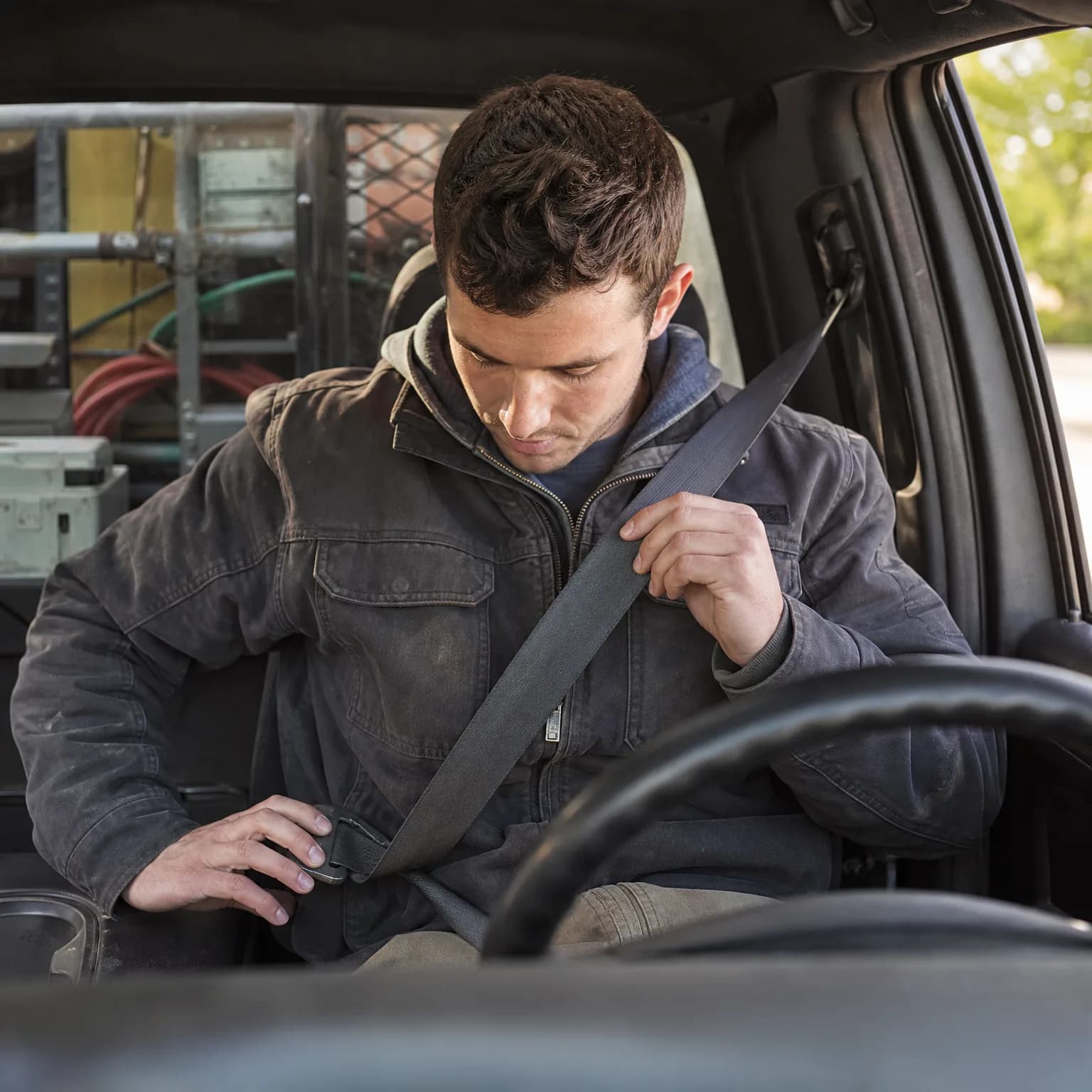
How Aggravated DUI Affects Restricted License Timing
Kansas allows restricted driving privileges (the state does not use the term "hardship license" in statute) after the 30-day hard suspension period expires for first-offense DUI cases. But courts grant these privileges differently when BAC reaches .15 or higher.
Most Kansas judges require completion of a substance abuse evaluation and enrollment in court-ordered DUI education before approving a restricted license petition for aggravated DUI. Standard first-offense DUI cases often receive restricted privileges immediately after the hard period without completing the program first. The aggravated designation signals higher risk, and judges respond by requiring demonstrated compliance before granting driving privileges.
Your petition must document specific approved purposes: travel between home and work, school, medical appointments, or court-approved DUI program attendance. Kansas courts define both route restrictions (limited to necessary travel paths) and time restrictions (limited to hours necessary for approved purposes) at the time of issuance. Aggravated DUI petitions receive narrower route and time windows than standard DUI restricted licenses in most counties.


Ignition Interlock Device Requirements for .15+ BAC Cases
Kansas requires ignition interlock device (IID) installation as a condition of restricted driving privileges for all DUI-related suspensions under K.S.A. 8-1015 and 8-1016. Aggravated DUI cases face the same IID requirement, but the compliance monitoring period typically extends beyond the standard DUI timeline.
You must install the IID before the court will approve your restricted license petition. Installation costs run $75 to $150, with monthly monitoring and calibration fees of $60 to $90. Kansas administers its IID program through the Division of Vehicles, and only state-approved providers can install devices that satisfy the court requirement.
Aggravated DUI cases often carry extended IID compliance periods that continue after your restricted license converts to full reinstatement. Where a standard first-offense DUI might require one year of IID use, judges frequently order 18 to 24 months for .15+ BAC cases. Your IID provider reports all violations (failed breath tests, missed calibrations, tampering attempts) directly to the court and to KDOR. A single serious violation can trigger immediate revocation of your restricted license without a hearing.
SR-22 Filing Duration After Aggravated DUI
Kansas requires SR-22 proof of insurance for DUI-related suspensions. The filing period begins when you first obtain SR-22 coverage, not when your suspension ends. Standard DUI cases carry a one-year SR-22 filing requirement in Kansas, shorter than most states.
But aggravated DUI cases often trigger extended SR-22 periods through court order. Judges have discretion to extend the filing requirement beyond the statutory minimum when BAC reaches .15 or higher. Some Kansas counties routinely order three-year SR-22 filing for aggravated cases, matching the timelines used in neighboring states.
Your insurance carrier files the SR-22 certificate directly with the Kansas Division of Vehicles. If your policy lapses or cancels for any reason during the required filing period, your carrier notifies KDOR within 10 days and your license is automatically re-suspended. You must maintain continuous SR-22 coverage through the entire court-ordered period even after your driving privileges are fully reinstated. Kansas uses an electronic insurance verification system where insurers report policy cancellations and new policies in real time to the state.

Drive Legally on Your Restricted License
Get My Hardship-License SR-22 Quote
Cost Stack for Aggravated DUI Restricted License Process
The total cost to obtain and maintain a restricted license after aggravated DUI in Kansas breaks down across multiple required steps. Court petition filing fees vary by county but typically run $100 to $200. The substance abuse evaluation required before most judges will approve an aggravated DUI petition costs $150 to $300.
IID installation costs $75 to $150, with monthly fees of $60 to $90 for the duration of your court-ordered compliance period. Over an 18-month IID requirement, total device costs reach $1,155 to $1,770. SR-22 filing fees charged by insurance carriers range from $25 to $50, and your auto insurance premium increases significantly after a DUI conviction.
Kansas drivers with aggravated DUI typically see premium increases of $100 to $180 per month compared to pre-conviction rates. Over a three-year period, the premium increase alone totals $3,600 to $6,480. Add IID costs, court fees, evaluation costs, DUI program enrollment (typically $300 to $500), and the reinstatement fee of $200, and total costs over the restriction and reinstatement period frequently exceed $6,000.
Estimates based on available industry data; individual costs vary by county, carrier, and court requirements.
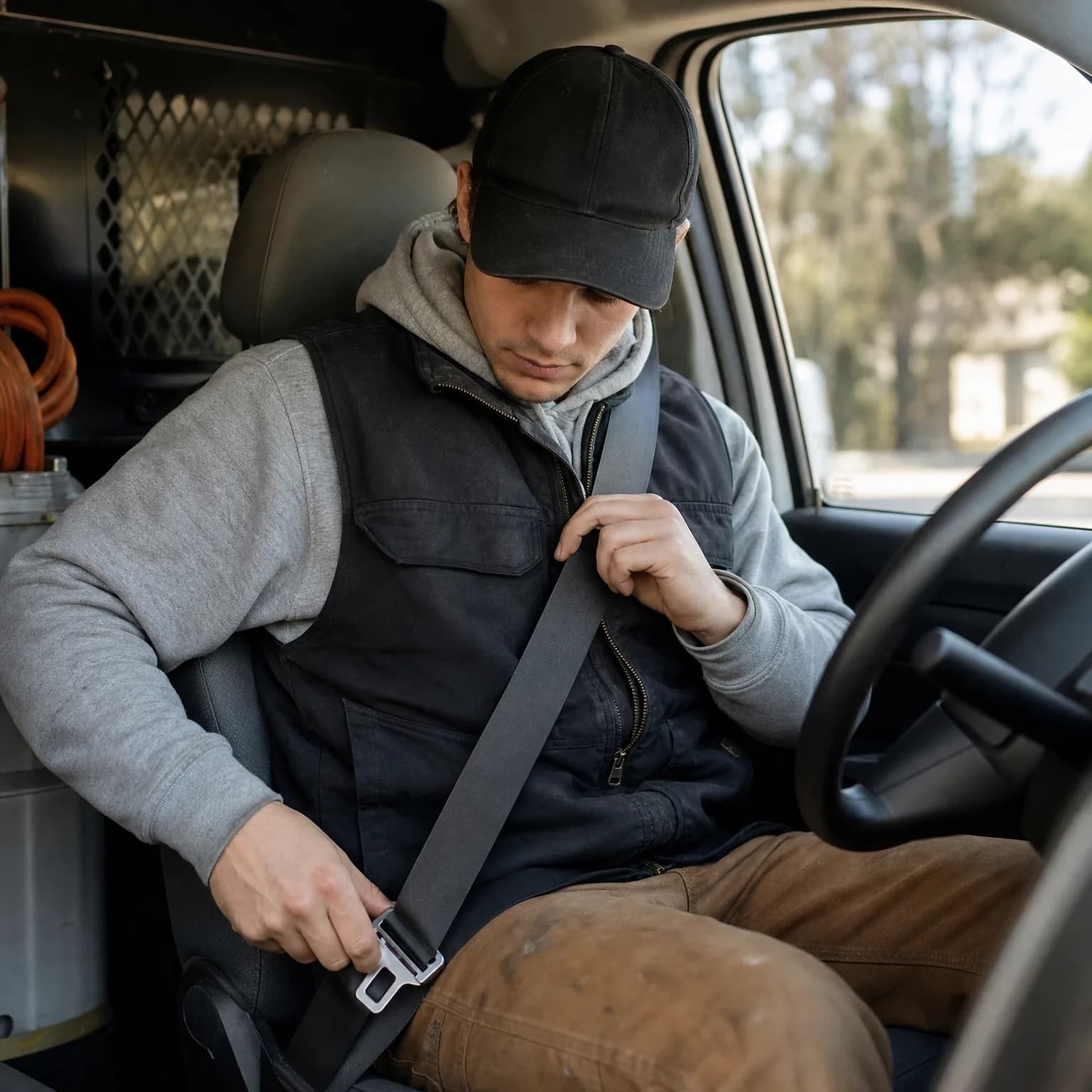
What Happens If You Miss DUI Education Classes During Restricted Period
Kansas courts grant restricted licenses conditional on continuous compliance with all court-ordered DUI program requirements. Missing two consecutive classes or accumulating excessive absences triggers automatic revocation in most Kansas counties without advance warning or hearing.
Your DUI program provider reports attendance and completion status directly to the court and to KDOR. The court order granting your restricted license explicitly states that program compliance is mandatory for continued driving privileges. When the provider reports non-compliance, the court issues a bench warrant and notifies KDOR to suspend your restricted license immediately.
Reinstatement after a compliance violation requires filing a new petition with the court, demonstrating that you have re-enrolled in the DUI program and completed the missed sessions, and paying additional court fees. Some judges deny reinstatement of restricted privileges entirely after a compliance violation for aggravated DUI cases and require you to serve the remainder of your suspension without any driving privileges. The failure mode is permanent for the current suspension period.
Second Aggravated DUI: When Restricted Licenses Are Not Available
Kansas law allows restricted driving privileges for most first-offense DUI cases, including aggravated DUI. But second-offense DUI within the lookback period triggers a mandatory one-year hard suspension under K.S.A. 8-1002 with no restricted license option during that period.
The lookback period in Kansas is calculated from arrest date to arrest date, not conviction to conviction. If your first DUI arrest occurred within 10 years of your second arrest, Kansas counts it as a second offense regardless of whether the first case resulted in conviction, diversion, or dismissal. The one-year hard suspension applies to both the administrative and criminal suspension tracks.
After the one-year hard period expires, you can petition for restricted driving privileges with IID for the remainder of your suspension. But the court will not approve any restricted license during the first 12 months. For drivers whose second offense involved BAC of .15 or higher, many Kansas judges extend the hard period beyond the statutory minimum or deny restricted privileges entirely based on the aggravated designation and repeat-offender status combined.
Frequently Asked Questions
Does Kansas count a .15 BAC DUI as a felony?
No, Kansas does not automatically classify .15+ BAC as a felony. First and second-offense DUI remain misdemeanors in Kansas regardless of BAC level. Third-offense DUI within 10 years is charged as a felony under K.S.A. 8-1567, and any DUI causing serious bodily injury or death is charged as a felony regardless of offense count.
Can I get a restricted license in Kansas if I refused the breath test?
Refusal cases face a longer administrative suspension (one year instead of 30 days for first offense) but you can still petition for restricted driving privileges after the mandatory hard suspension period expires. Courts treat refusal cases similarly to aggravated DUI when evaluating restricted license petitions, often requiring completion of DUI education before approval.
How long does the ignition interlock device stay on my car after aggravated DUI in Kansas?
The court sets the IID compliance period at sentencing, typically 18 to 24 months for aggravated DUI first offense. The device must remain installed through your entire restricted license period and often continues after full reinstatement until the court-ordered compliance period ends. Some Kansas counties require IID for the entire duration of probation.
What happens to my restricted license if I move out of Kansas before my suspension ends?
Kansas restricted licenses do not transfer to other states. If you establish residency in a new state during your Kansas suspension period, you must surrender your Kansas restricted license and apply for a new license in your new state. Most states will not issue any license while a Kansas DUI suspension is active on your driving record.
Does Kansas require SR-22 for the full three years after DUI like other states?
Kansas statutory minimum SR-22 filing period for DUI is one year, shorter than most states. But judges have discretion to extend SR-22 requirements through court order, and many Kansas counties routinely order three-year filing for aggravated DUI cases with BAC of .15 or higher.
Can I use a restricted license to drive for work if my job requires a CDL?
No. Kansas restricted licenses issued after DUI are valid only for operating non-commercial vehicles. Federal regulations prohibit operating a commercial motor vehicle with any restricted license, and a DUI conviction in a personal vehicle triggers a one-year CDL disqualification under 49 CFR 383.51 regardless of your restricted license status.
What if I can't afford the ignition interlock device and SR-22 insurance?
Kansas does not waive IID or SR-22 requirements based on inability to pay. Some Kansas counties allow payment plans for court fees and IID installation, but the device must be installed before the court will approve your restricted license petition. If you cannot afford SR-22 insurance and IID costs, you cannot obtain restricted driving privileges and must serve the full suspension period.
Related Articles

Kentucky DUI BAC .15+: Hardship License Eligibility
5/16/2026

Kansas Restricted License After DUI: Eligibility & SR-22
5/16/2026

Kansas Second DUI Restricted License: 1-Year Wait
5/17/2026

Kansas DUI Refusal Restricted License Wait Period
5/16/2026

Missouri DWI With BAC .15+: Aggravated LDP Eligibility
5/17/2026
Montana Aggravated DUI .16+ BAC: Probationary License
5/17/2026