
Louisiana DWI With BAC .15+: High-BAC Tier and Hardship License
Get My Hardship-License SR-22 QuoteWhat Louisiana Law Considers High-BAC DWI and Why It Changes Your Timeline
Louisiana Revised Statute 14:98(E) creates a separate sentencing tier for any DWI arrest with a blood alcohol concentration of .15 or higher. The state does not call it "aggravated DWI" in the statute, which is why most drivers and even some defense attorneys miss the tier shift until sentencing. A first-offense DWI with BAC .14 carries a minimum 10-day jail sentence (suspendable to 48 hours actual custody), a $300 to $1,000 base fine, and a 90-day license suspension. A first-offense DWI with BAC .15 carries a mandatory minimum 48-hour actual custody (not suspendable), a $750 to $1,000 base fine, and the same 90-day administrative suspension—but the hard suspension floor before restricted license eligibility changes from 30 days to 90 days in practice, because Louisiana judges routinely deny early hardship petitions for high-BAC offenders.
The .15 threshold is measured at the time of the breath or blood test administered within two hours of your arrest. If you refused the test, the arresting officer's field observations and arrest report narrative become the evidentiary basis for BAC estimation, but the high-BAC tier applies only when chemical test results confirm .15 or above. Refusal cases default to standard first-offense DWI sentencing unless prosecutors can establish BAC through retrograde extrapolation testimony, which is rare outside of crash-with-injury cases.
Louisiana does not publish separate "aggravated DWI" charge codes in OMV records. Your conviction appears as La. R.S. 14:98, the same statute code as a .08 BAC arrest. The high-BAC tier impacts sentencing, ignition interlock duration, and hardship license eligibility—but it does not appear as a distinct violation on your driving record abstract.
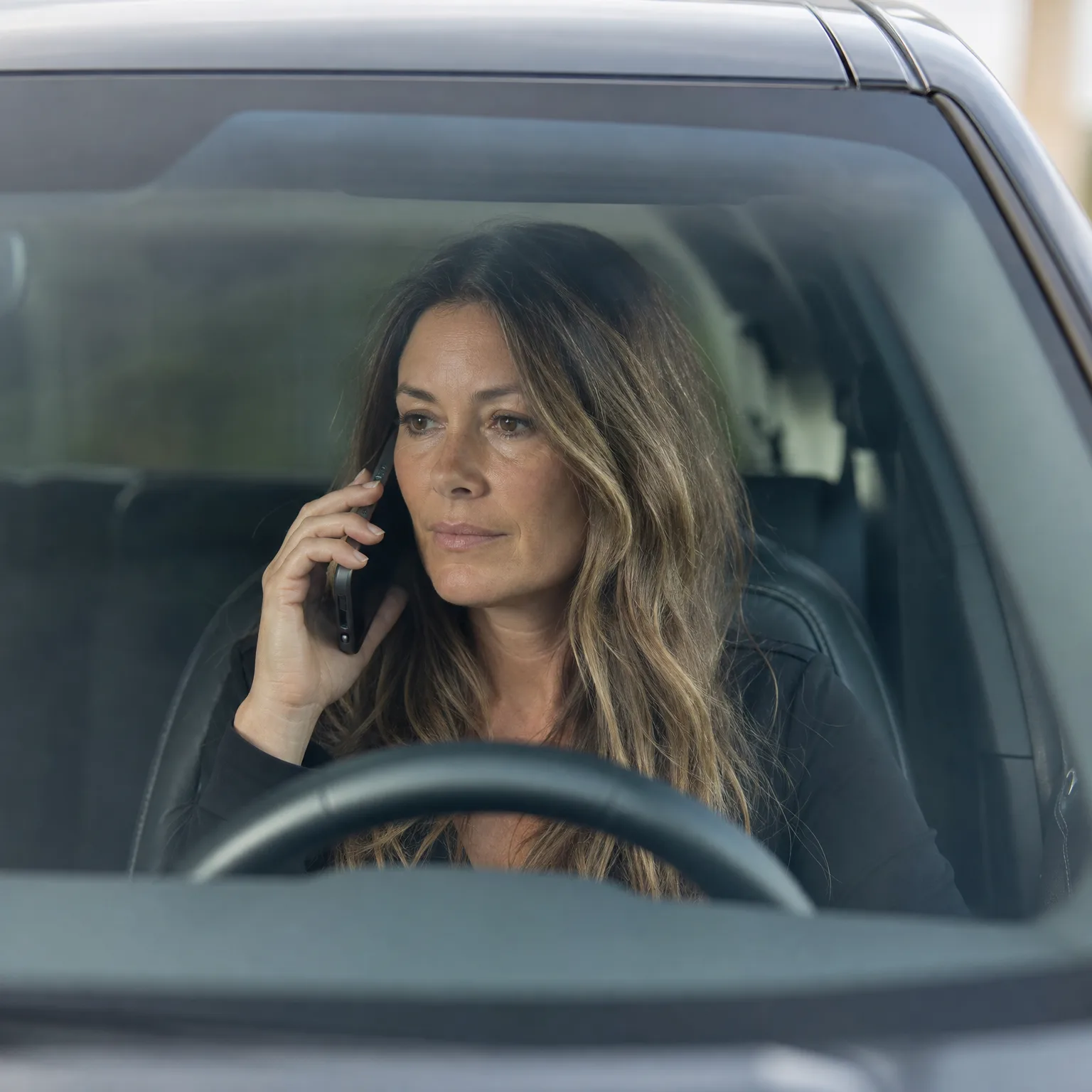
How the High-BAC Tier Changes Your Hard Suspension Period Before Restricted License Access
Louisiana law requires a 90-day hard suspension before any restricted license (the state's term for hardship driving privileges) becomes available after a first-offense DWI conviction. That 90-day clock starts the day your conviction is entered, not the day of your arrest. If you were arrested in March but convicted in June, the 90-day period begins in June. During the hard suspension, no driving is permitted—not for work, not for school, not for medical appointments. Violation of the hard suspension triggers immediate arrest, vehicle impound, and a separate misdemeanor charge under La. R.S. 32:415.
For high-BAC offenders—those with .15 or higher—Louisiana judges routinely extend the hard suspension floor to match the mandatory minimum jail period served. If you served 48 hours actual custody, judges typically deny hardship petitions filed before 60 to 90 days post-conviction, even though the statute does not explicitly require this extension. The extension is judicial discretion, but it is consistent enough across Louisiana district courts that defense attorneys plan around it. The practical result: high-BAC first offenders wait 90 days, not 30, before restricted license access opens.
Second-offense DWI in Louisiana—regardless of BAC—carries a 12-month hard suspension with no restricted license eligibility until 180 days post-conviction. If your second offense also registers .15 or higher BAC, the hard suspension remains 12 months, but judges deny hardship petitions until the full 12 months elapse. Louisiana does not offer restricted licenses to second-offense DWI offenders in the first six months; high-BAC status effectively closes the hardship window for the full year.

Why Ignition Interlock Duration Extends for High-BAC DWI in Louisiana
Louisiana requires ignition interlock device (IID) installation as a condition of any restricted license issued after a DWI conviction. The base IID period for a first-offense DWI is six months, measured from the date the device is installed and calibrated by an OMV-approved vendor. For high-BAC offenders (.15 or higher), the IID period extends to 12 months. This is statutory under La. R.S. 32:378.2(C), not judicial discretion.
The IID must remain installed for the full 12-month period even after your restricted license converts to a full unrestricted license at the end of your suspension. If your total DWI suspension is 365 days and you install IID on day 90 when your restricted license is approved, the IID must stay installed until day 450—90 days beyond your full license reinstatement. Removing the device early triggers automatic license re-suspension and a new violation charge.
IID vendors in Louisiana charge approximately $75 to $125 for installation, $75 to $90 per month for monitoring and calibration, and $75 to $100 for removal. Over 12 months, total IID cost for a high-BAC offender runs $1,050 to $1,330. Louisiana does not offer indigency waivers for IID, though some parishes allow payment plans through the IID vendor. Failure to pay monthly monitoring fees results in device lockout—your vehicle will not start—and OMV is notified, which can extend your IID obligation.
What SR-22 Filing Duration Looks Like After High-BAC DWI
Louisiana requires SR-22 proof of financial responsibility for three years following any DWI conviction, measured from the date of conviction, not the date of arrest or license reinstatement. High-BAC status does not extend the SR-22 filing period—it remains three years regardless of BAC. The SR-22 filing must be continuous; any lapse in coverage triggers automatic license re-suspension under La. R.S. 32:872, and the three-year clock resets from the date you refile.
SR-22 is filed by your insurer directly with the Louisiana OMV. You cannot file SR-22 yourself. If you own a vehicle, you must carry liability coverage that meets Louisiana's minimum limits—$15,000 bodily injury per person, $30,000 bodily injury per accident, $25,000 property damage—and your insurer files the SR-22 certificate as an endorsement. If you do not own a vehicle (sold after arrest, impounded, or never owned), you must purchase a non-owner SR-22 policy, which provides the state-required liability limits for vehicles you drive but do not own. Non-owner SR-22 policies in Louisiana cost approximately $30 to $60 per month for high-risk DWI offenders.
Carriers writing SR-22 in Louisiana after high-BAC DWI include Progressive, Geico, The General, Bristol West, Direct Auto, and National General. Not all carriers write high-BAC offenders immediately post-conviction; some impose a 6- to 12-month waiting period. State Farm writes SR-22 in Louisiana but typically declines new applicants with DWI convictions within the past 12 months. The General and Direct Auto specialize in post-DWI filings and do not impose waiting periods, but their premiums run 40% to 60% higher than standard-tier carriers.
Drive Legally on Your Restricted License
Get My Hardship-License SR-22 Quote
How to Apply for a Restricted License in Louisiana After High-BAC DWI
Louisiana restricted license applications are processed through the Office of Motor Vehicles (OMV), not through the court that sentenced you. You apply at any OMV office by submitting Form DPSMV 2045 (Restricted License Application), proof of IID installation from an OMV-approved vendor, SR-22 certificate filed by your insurer, proof of DWI education program enrollment (Louisiana Risk Reduction Program, minimum 12 hours), and payment of the $60 restricted license fee. OMV does not accept applications during the hard suspension period; if you apply before 90 days post-conviction, the application is denied and the fee is not refunded.
The restricted license limits your driving to employment, school, medical appointments, court-ordered obligations (such as DWI education classes), and religious worship. Louisiana does not permit grocery shopping, childcare pickup, or social driving under the restricted license. You must carry a copy of your restricted license order, your employer's affidavit of work schedule, and your IID installation receipt at all times when driving. Violation of the route or time restrictions triggers automatic revocation, arrest for driving under suspension, and vehicle impound.
Processing time for restricted license applications in Louisiana is approximately 10 to 15 business days after OMV receives your complete application. If your SR-22 filing is not yet on file with OMV, your application is placed on hold until the filing appears in OMV's electronic verification system (LAIVS). Most delays stem from insurers filing SR-22 certificates to the wrong state agency or using an outdated form version. You can verify SR-22 filing status by calling OMV's SR-22 helpline at 225-925-6388 or checking your OMV driving record abstract online at omv.dps.louisiana.gov.
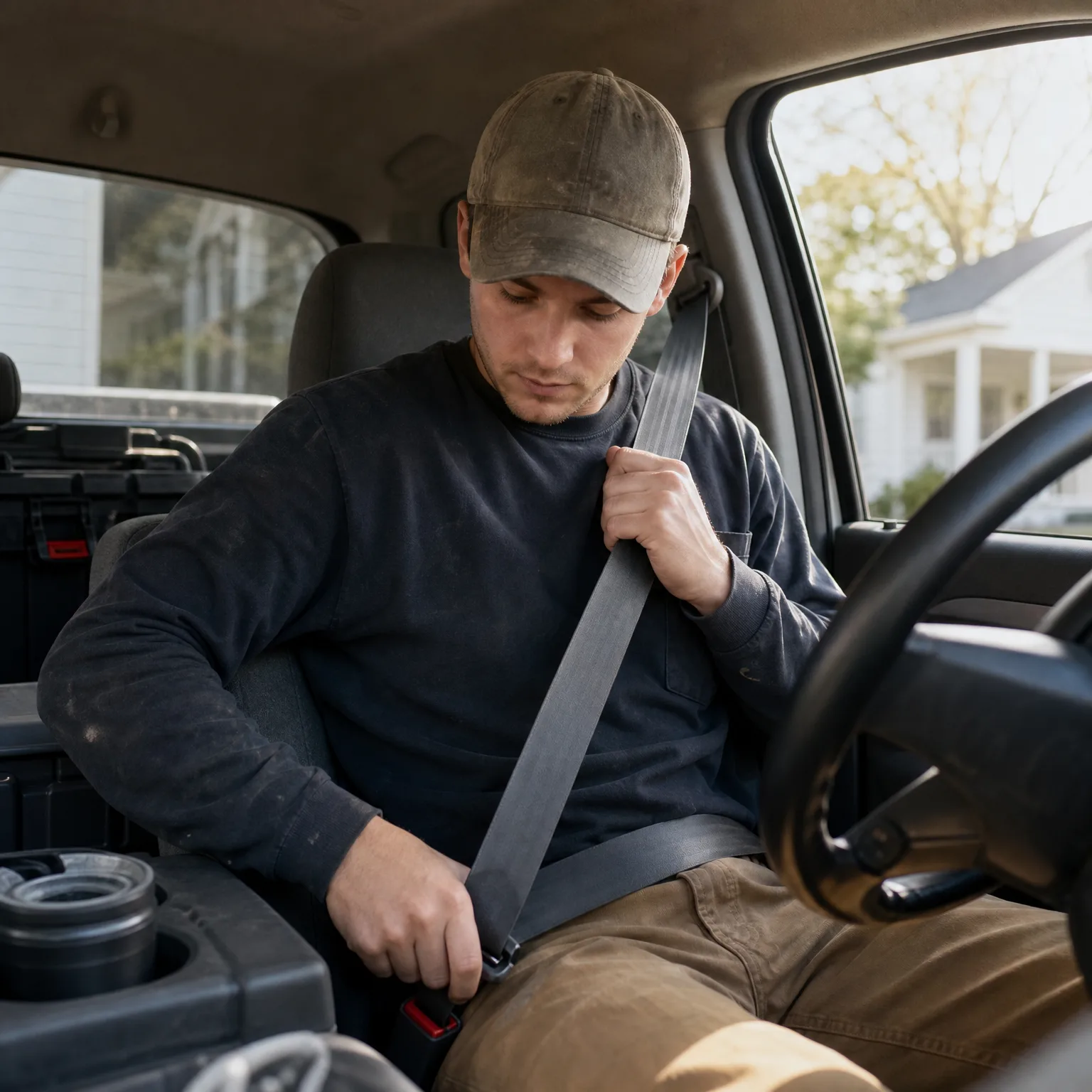
What Happens If You Miss IID Calibration or Violate Restricted License Terms
Louisiana IID vendors require monthly calibration appointments. You must bring your vehicle to the vendor's service center every 30 days for data download, breath sensor recalibration, and device inspection. Missing two consecutive calibration appointments triggers an OMV violation notice, and your restricted license is suspended until you complete the missed appointments and pay a $50 reinstatement fee. The IID device logs every attempted start, every successful start, every failed breath test, and every tampering event. That log is uploaded to OMV monthly.
If the IID logs a failed breath test—any BAC reading above .025—OMV is notified within 48 hours. A single failed test does not automatically revoke your restricted license, but two failed tests in a 30-day period trigger a mandatory OMV hearing. At the hearing, you must demonstrate the failed tests were not alcohol-related (mouthwash, cough syrup, fermented food) or your restricted license is revoked and the full suspension period restarts from zero. Louisiana does not distinguish between intentional alcohol consumption and incidental exposure in IID violation cases; the device reading is treated as conclusive evidence.
Driving outside your approved routes or times under a Louisiana restricted license is a separate criminal offense under La. R.S. 32:415.1, punishable by up to six months in parish jail, a $500 fine, and immediate vehicle impound. If you are arrested for violating restricted license terms, your restricted license is automatically revoked, and you must serve the remainder of your original suspension with no further hardship eligibility. Most violations occur during traffic stops for equipment violations or minor speeding; the officer checks your license status, confirms you are outside your approved route or time window, and arrests you on the spot.
How to Find SR-22 Coverage That Meets Louisiana's High-BAC Requirements
Louisiana does not regulate SR-22 premium rates for DWI offenders, so rates vary significantly by carrier, parish, age, and prior coverage history. Expect monthly premiums of $140 to $280 for owned-vehicle SR-22 policies and $30 to $60 for non-owner SR-22 policies in the first 12 months post-conviction. High-BAC offenders with BAC .15 or higher typically pay 15% to 25% more than standard first-offense DWI filers because carriers classify .15+ BAC as a distinct underwriting tier.
Carriers that write high-BAC SR-22 in Louisiana without waiting periods include The General, Direct Auto, Bristol West, and National General. Progressive and Geico write high-BAC offenders but impose a 6-month waiting period from conviction date. State Farm, Allstate, and Farmers typically decline new applicants with DWI convictions until the SR-22 filing period is complete. If you owned a vehicle before your arrest and it was impounded or sold, you still need non-owner SR-22 to satisfy Louisiana's filing requirement and to gain restricted license eligibility.
Compare quotes from at least three carriers before purchasing. SR-22 filing fees are uniform across carriers in Louisiana—$25 to $50 one-time—but monthly premiums vary by 40% to 60% depending on the carrier's appetite for high-BAC risk. Most non-standard carriers offer online quotes; The General, Direct Auto, and Bristol West all provide instant online quotes for Louisiana non-owner SR-22. If you need coverage in place within 48 hours to meet a restricted license application deadline, call the carrier directly rather than relying on online quote tools, which can take 3 to 5 business days to process high-risk applications.
Frequently Asked Questions
Does Louisiana charge high-BAC DWI as a separate offense on your record?
No. Louisiana records all DWI convictions under La. R.S. 14:98, regardless of BAC level. The .15 BAC threshold changes sentencing, jail minimums, and IID duration, but it does not appear as a distinct charge code on your OMV driving record abstract.
Can you apply for a restricted license before the 90-day hard suspension ends in Louisiana?
No. Louisiana OMV does not accept restricted license applications during the hard suspension period. Applications filed before 90 days post-conviction are denied, and the $60 application fee is not refunded. Wait until day 91 to submit your application.
What happens if your SR-22 lapses during the three-year filing period in Louisiana?
Your license is immediately re-suspended under La. R.S. 32:872, and the three-year SR-22 clock resets from the date you refile. You must pay a $60 reinstatement fee and wait 10 to 15 business days for OMV to process the new SR-22 filing before your license is restored.
Does Louisiana require IID on your vehicle even after your full license is reinstated?
Yes, if your 12-month IID obligation extends past your license reinstatement date. For high-BAC offenders, IID is required for 12 months from installation, not from conviction or reinstatement. The device must remain installed and monitored until the full 12-month period elapses, even if your unrestricted license is restored earlier.
Can you drive to the grocery store or pick up your children on a Louisiana restricted license?
No. Louisiana restricted licenses limit driving to employment, school, medical appointments, court-ordered obligations, and religious worship only. Grocery shopping, childcare pickup, and social driving are not approved purposes. Violation triggers license revocation and a separate misdemeanor charge.
How much does ignition interlock cost over 12 months in Louisiana?
Approximately $1,050 to $1,330 total. Installation costs $75 to $125, monthly monitoring and calibration runs $75 to $90, and removal costs $75 to $100. Louisiana does not offer indigency waivers, though some IID vendors allow payment plans.
Which carriers write SR-22 immediately after high-BAC DWI in Louisiana?
The General, Direct Auto, Bristol West, and National General write high-BAC SR-22 policies without waiting periods. Progressive and Geico impose a 6-month waiting period from conviction. State Farm, Allstate, and Farmers typically decline new applicants until the SR-22 filing period is complete.
Related Articles
FL DUI .15+ BAC: Enhanced Penalties & Hardship License
5/17/2026
Second DUI .15+ BAC: Hardship License Restrictions
5/17/2026
TX DWI .15+ BAC: Class A Charge & ODL Petition Path
5/17/2026
MS DUI .15+ BAC: Restricted License & Penalties
5/16/2026

AR DWI BAC .15+: Aggravated Tier Hardship License Rules
5/17/2026

Alabama DUI BAC .15+: Restricted License & SR-22 Rules
5/16/2026