
Nevada DUI With BAC .18+: Enhanced Penalties and Restricted License
Get My Hardship-License SR-22 QuoteWhat Changes When Your BAC Was .18 or Higher in Nevada
Nevada Revised Statutes 484C.400 classifies DUI with BAC of .18 or above as aggravated DUI, a separate offense category that doubles minimum jail time from 2 days to 5 days for first offense and extends the mandatory hard suspension period before restricted license eligibility. The .18 threshold is structural, not discretionary: prosecutors cannot plea it down to standard DUI without case-specific legal defenses, and judges cannot waive the enhanced penalties once the BAC result is admitted.
The hard suspension period for aggravated first DUI is 90 days, not the standard 45 days. You cannot apply for a restricted license until the 90-day period expires, and the Nevada DMV will not process an application submitted earlier. This 90-day window runs from the date of conviction or DMV administrative hearing decision, whichever comes first.
Aggravated DUI requires completion of a court-ordered alcohol assessment and any recommended treatment program before restricted license eligibility. Standard first DUI allows restricted license application after 45 days without treatment completion. The assessment typically costs $100–$200, and outpatient treatment programs range from $400 to $1,200 depending on the number of sessions required. Most judges order 8–12 sessions for aggravated cases.
Restricted License Timeline and Ignition Interlock Requirements
After the 90-day hard suspension, you become eligible to apply for a Nevada restricted license if you have completed jail time, paid fines, finished the alcohol assessment, and enrolled in any court-ordered treatment program. The restricted license application goes through the Nevada DMV, not the court, and costs $35. Processing typically takes 5–10 business days if all documentation is complete.
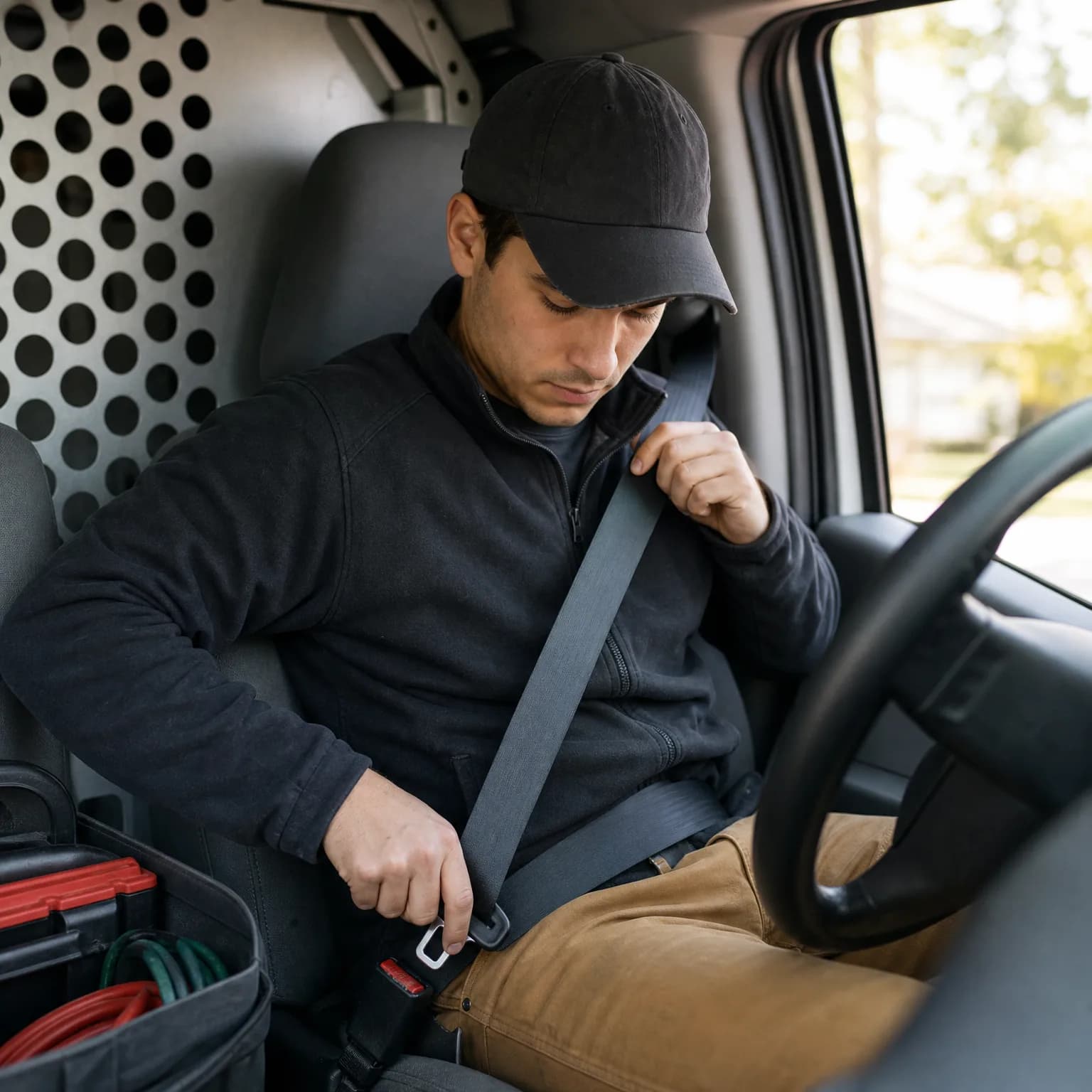
Nevada requires ignition interlock device (IID) installation for all aggravated DUI restricted licenses. The IID must remain installed for the duration of the restricted license period, which for a first aggravated DUI is typically 180 days beyond the 90-day hard suspension. Installation costs $70–$150, monthly monitoring and calibration fees run $60–$90, and removal fees add another $50–$75. Total IID cost over 180 days: approximately $1,200–$1,800.
The Nevada DMV will not issue the restricted license until you provide proof of IID installation from a state-approved vendor. The vendor list is published on the Nevada DMV website under the Ignition Interlock Program section. Your restricted license documentation specifies that operation of any vehicle not equipped with an IID is a misdemeanor, punishable by additional suspension and potential jail time.


SR-22 Filing Duration and Insurance Cost Impact
Aggravated DUI in Nevada requires SR-22 filing for 3 years from the date of conviction, the same duration as standard first DUI. The SR-22 is a certificate of financial responsibility filed electronically by your insurance carrier to the Nevada DMV. You must maintain continuous SR-22 coverage for the full 3-year period. A lapse of even one day triggers automatic license suspension under NRS 485.187, and reinstatement requires a new $35 DMV fee plus proof of SR-22 reinstatement.
Insurance premiums after aggravated DUI conviction in Nevada typically range from $190–$310 per month for state minimum liability coverage (25/50/20). Standard first DUI premiums average $140–$220 per month. The .18 BAC threshold signals higher risk to underwriters, and carriers including Geico, Progressive, Bristol West, Dairyland, The General, and National General explicitly tier rates based on BAC level at the time of arrest. Estimates based on available industry data; individual rates vary by driving history, vehicle, coverage selections, and location.
Non-owner SR-22 policies are available if you do not currently own a vehicle. Monthly premiums for non-owner SR-22 after aggravated DUI typically range from $80–$140 in Nevada. Non-owner policies satisfy the state's SR-22 filing requirement and allow you to drive employer-owned, rental, or borrowed vehicles legally during the restricted license period.
Approved Purposes and Violation Consequences
Nevada restricted licenses for aggravated DUI are limited to driving to and from work, school, medical appointments, court-ordered programs (including DUI education and treatment), and IID service appointments. The DMV requires documented proof of employment or school enrollment at the time of application: a signed letter from your employer on company letterhead or a school enrollment verification form.
Route restrictions are enforced through IID data logs and random traffic stops. The IID records every ignition event, including GPS location if your device is GPS-enabled (required for some aggravated cases). Nevada law enforcement can pull IID data during traffic stops, and any trip logged outside approved route windows or time restrictions is admissible evidence of restricted license violation.
Violating restricted license terms is a misdemeanor under NRS 483.560. Penalties include immediate revocation of the restricted license, extension of the full suspension period by up to 6 months, and potential jail time of up to 6 months. You will not be eligible to reapply for a restricted license until the extended suspension period expires, and the court may impose additional fines ranging from $200 to $1,000.

Drive Legally on Your Restricted License
Get My Hardship-License SR-22 Quote
Second Offense and Felony DUI Restricted License Eligibility
Second DUI within 7 years with BAC .18 or higher is classified as aggravated second offense under NRS 484C.410. The hard suspension period extends to 1 year, and restricted license eligibility requires completion of a minimum 30-day residential treatment program before application. Nevada DMV does not allow restricted license applications for aggravated second offense until after the 1-year mark, and judges retain discretion to deny restricted privileges entirely based on treatment compliance and prior violation history.
Third DUI within 7 years is a Category B felony in Nevada regardless of BAC level. Felony DUI convictions result in a 3-year license revocation with no restricted license eligibility during the revocation period. After the 3-year revocation expires, reinstatement requires petition to the court, completion of all court-ordered programs, payment of all fines and fees, proof of SR-22 filing, and passage of written and driving exams. Felony DUI reinstatement cases typically require legal representation; self-filed petitions have a low approval rate in Clark and Washoe counties.
BAC of .18 or higher at the time of a second or third offense within 7 years adds mandatory minimum jail time: 10 days for aggravated second, 1 year for felony third. Jail time must be completed before any restricted license or reinstatement petition is considered. Work furlough or house arrest may substitute for jail in some counties, but eligibility is determined by the sentencing judge, not the DMV.

Application Process and Required Documentation
Nevada restricted license applications for aggravated DUI are submitted in person at any Nevada DMV office after the 90-day hard suspension expires. You cannot apply online or by mail. Required documents include: proof of SR-22 filing (Form SR-22 certificate from your insurer), proof of IID installation (vendor-issued installation certificate with device serial number), proof of employment or school enrollment (employer letter or school form), court documentation showing conviction date and sentence completion, proof of alcohol assessment completion, and $35 application fee.
The Nevada DMV verifies SR-22 status electronically before issuing the restricted license. If your insurer has not yet filed the SR-22, your application will be denied and you will need to reapply once the filing is confirmed in the DMV system. SR-22 filing typically processes within 1–3 business days after you purchase the policy, but delays occur during high-volume periods. Apply for SR-22 coverage at least one week before your scheduled DMV appointment.
Court orders for aggravated DUI cases sometimes include additional documentation requirements beyond the DMV standard list: proof of fine payment, proof of victim impact panel attendance, or proof of community service completion. Read your sentencing order carefully and bring certified copies of all compliance documentation to your DMV appointment. Missing any required document results in application denial, and you will need to schedule a new appointment.
Total Cost Breakdown Over the Suspension Period
The total financial cost of aggravated DUI restricted license compliance in Nevada over 3 years includes: court fines and fees ($1,000–$2,000), alcohol assessment ($100–$200), outpatient treatment program ($400–$1,200), restricted license application fee ($35), IID installation and monitoring over 6 months ($1,200–$1,800), SR-22 filing fee ($25–$50 one-time), increased insurance premiums over 3 years (approximately $4,800–$8,400 above standard rates), and DMV reinstatement fee after SR-22 period expires ($75). Estimated total: $7,560–$13,685.
This estimate assumes no SR-22 lapses, no restricted license violations, and no additional traffic citations during the 3-year filing period. Any lapse or violation adds $35 DMV reinstatement fees, potential attorney fees ($500–$2,000), and extended suspension periods that delay full license restoration and prolong high-risk insurance premiums.
Budgeting for the IID and SR-22 premium increases is critical during the first 6 months when both expenses overlap. Monthly outlay during this period: $60–$90 IID monitoring, $190–$310 insurance premium, $50–$150 treatment program sessions if still in progress. Total monthly compliance cost: $300–$550. Failure to maintain IID or SR-22 coverage during this window triggers immediate suspension and resets the restricted license timeline.
Frequently Asked Questions
Can I get a restricted license in Nevada if my BAC was .18 or higher on a first DUI?
Yes, but only after completing a mandatory 90-day hard suspension, finishing court-ordered alcohol assessment and any recommended treatment, and installing an ignition interlock device. Standard first DUI allows restricted license after 45 days; aggravated DUI doubles that waiting period and requires treatment completion before DMV will process your application.
How long does the ignition interlock device stay on my car after aggravated DUI in Nevada?
The IID must remain installed for the duration of your restricted license period, typically 180 days for first aggravated DUI. After the restricted period expires and you complete the full suspension, the IID requirement ends. Total IID period for first aggravated DUI: approximately 6 months from installation date.
Does Nevada require SR-22 for the full 3 years even if I complete DUI education early?
Yes. Nevada mandates 3-year SR-22 filing for all DUI convictions, including aggravated cases, regardless of how quickly you complete court-ordered programs. Early compliance with treatment or probation does not shorten the SR-22 filing period. A lapse at any point during the 3 years triggers automatic suspension.
What happens if I violate my Nevada restricted license by driving outside approved hours?
Violating restricted license terms is a misdemeanor in Nevada. Penalties include immediate revocation of the restricted license, extension of the full suspension by up to 6 months, potential jail time up to 6 months, and fines of $200–$1,000. You cannot reapply for restricted privileges until the extended suspension expires.
Can I apply for a restricted license online in Nevada after aggravated DUI?
No. Nevada requires in-person application at a DMV office for all DUI-related restricted licenses. You must bring proof of SR-22 filing, IID installation certificate, employment or school documentation, and court compliance records. Online or mail applications are not accepted for DUI cases.
Will my Nevada aggravated DUI BAC level show up on my driving record permanently?
Yes. Nevada DUI convictions remain on your DMV driving record for 7 years and on your criminal record permanently. The BAC level at the time of arrest is part of the conviction record. Insurance carriers, employers, and out-of-state DMVs can see the aggravated classification and BAC when they pull your record.
How much does SR-22 insurance cost per month in Nevada after a .18 BAC DUI?
Expect monthly premiums of $190–$310 for state minimum liability coverage after aggravated DUI in Nevada. Standard first DUI premiums average $140–$220 per month. The .18 BAC threshold signals higher risk, and carriers tier rates based on BAC level. Non-owner SR-22 policies cost $80–$140 per month if you don't own a vehicle.
Related Articles

Nevada DUI Restricted License Cost: Fees, IID, SR-22
5/17/2026

How Long After Nevada DUI for Restricted License?
5/16/2026

Why Nevada Requires IID During DUI Suspension Period
5/16/2026

Second DUI Restricted License Eligibility in Nevada
5/17/2026

Nebraska Aggravated DUI (.15+ BAC) and IIP Eligibility
5/17/2026

CA DUI With BAC .15+: Restricted License & IID Rules
5/17/2026