NJ DUI Refusal: 7-Month Suspension and Conditional License Eligibility
Get My Hardship-License SR-22 QuoteWhat Happens When You Refuse a Breath Test in New Jersey
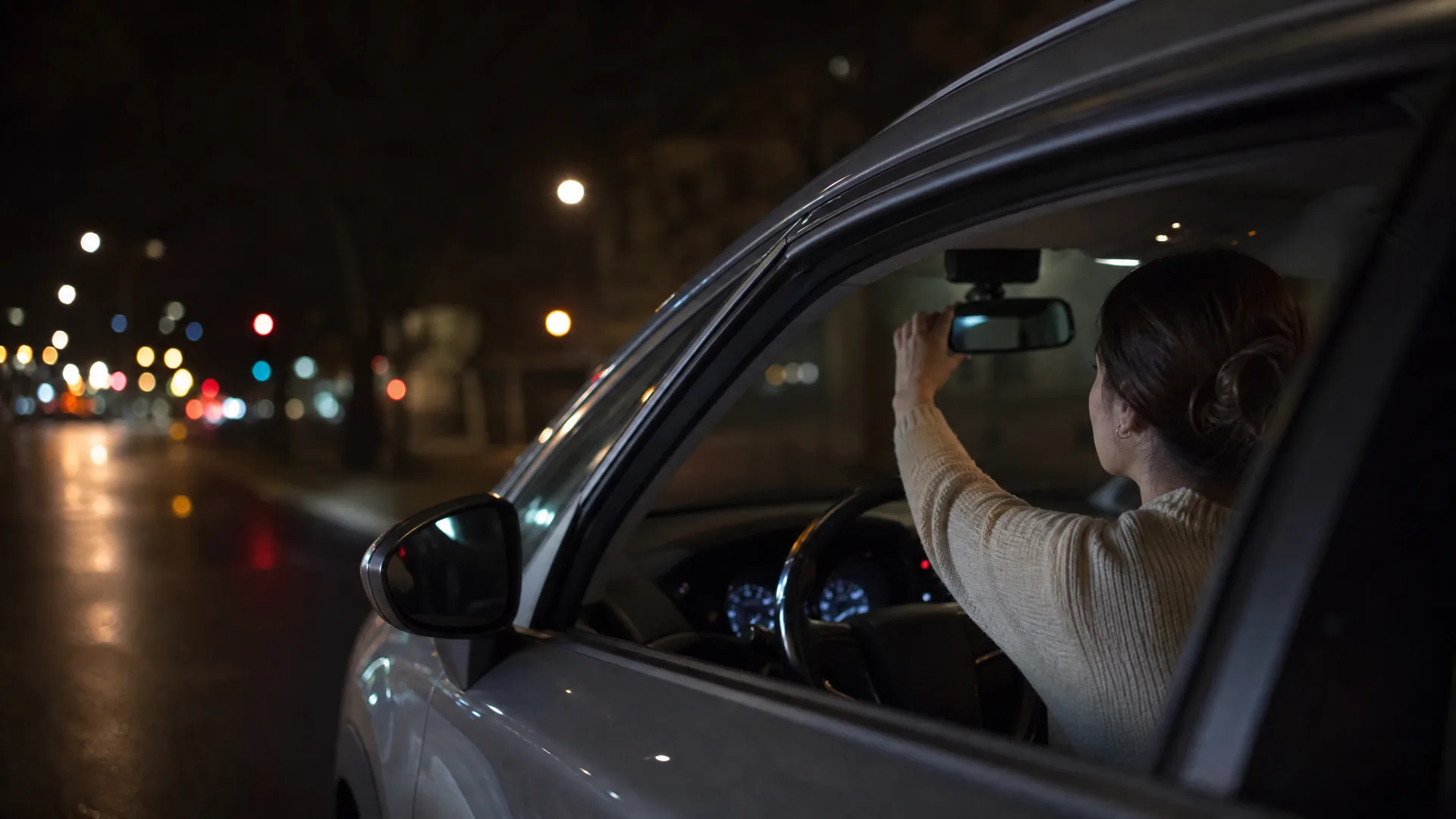
Refusing a breath test in New Jersey triggers a 7-month license suspension for first refusal under N.J.S.A. 39:4-50.4a, administered by the New Jersey Motor Vehicle Commission (NJMVC). This suspension runs separately from any DUI charge you may also face—meaning refusal is not a defense strategy but an additional penalty.
The NJMVC imposes the refusal suspension administratively once the officer's report reaches the agency, typically within 10–20 days of arrest. You do not need to be convicted of DUI for the refusal suspension to take effect. The refusal itself is the violation.
If you are also charged with DUI and later convicted, that conviction carries its own suspension period: 3 months for first-offense DUI at 0.08–0.099% BAC, 7–12 months for 0.10% or higher. The refusal suspension and DUI suspension run concurrently, not consecutively—whichever is longer governs your total license ineligibility period.
When Conditional License Eligibility Begins After Refusal
New Jersey's conditional license program does not open immediately after refusal suspension begins. Eligibility requires enrollment in the Intoxicated Driver Resource Center (IDRC) program, which the court orders after DUI conviction or which you may voluntarily enter if charged but not yet convicted.
IDRC consists of two 6-hour classroom sessions spread over two consecutive days, costing $230 for the evaluation and education track or $859 for the 12-hour program track if the evaluation determines you need it. Conditional license applications cannot proceed until IDRC attendance is documented to the NJMVC.
For refusal cases without a DUI conviction, some counties allow conditional license petitions through the municipal court after IDRC enrollment. For refusal cases with DUI conviction, the sentencing judge determines conditional license terms at sentencing or through a subsequent motion. There is no universal hard waiting period like 30 or 90 days—eligibility timing depends on IDRC completion and court scheduling.

Conditional License Restrictions and Ignition Interlock Requirement
New Jersey conditional licenses for refusal cases restrict driving to employment, education, medical treatment, and essential household purposes as defined by the court order or NJMVC approval. Recreational travel, social visits, and non-essential errands are prohibited.
Installation of an approved ignition interlock device (IID) is mandatory for all conditional licenses tied to refusal or DUI cases. The device must remain installed for the duration of the conditional license period, typically the full 7 months for refusal-only suspensions or longer if DUI suspension exceeds refusal suspension.
IID installation costs $100–$150, monthly monitoring fees run $70–$90, and removal costs $50–$75. Total interlock expense over 7 months typically reaches $650–$850. Violation of conditional license terms—driving outside approved purposes, driving without the IID, or failing an IID breath test—triggers immediate revocation and extends your total suspension period.

Drive Legally on Your Restricted License
Get My Hardship-License SR-22 QuoteSR-22 Filing and Insurance Requirements for Refusal Suspensions
New Jersey does not use SR-22 certificates. Instead, insurance compliance is verified through the FS-1 form, which your insurer files directly with the NJMVC to certify you carry the required liability coverage: $15,000 bodily injury per person, $30,000 per accident, and $5,000 property damage.
For refusal cases, FS-1 filing is required before conditional license approval and must remain active throughout the suspension period and typically for 3 years after reinstatement. Insurers charge $25–$50 annually to maintain FS-1 filing status.
Premium increases after refusal suspension average $140–$220 per month depending on your prior record, age, and county. Carriers writing high-risk policies in New Jersey include Geico, Progressive, National General, and Bristol West. If you do not own a vehicle, non-owner liability policies satisfy FS-1 filing requirements and cost $50–$90 monthly.

Cost Breakdown for Conditional License After Refusal
Obtaining a conditional license after refusal in New Jersey requires payment of several stacked fees before you can legally drive again. IDRC program enrollment costs $230 minimum, potentially $859 if extended programming is required. Conditional license application processing through the NJMVC or court typically adds $100–$150 in administrative fees.
Ignition interlock device installation costs $100–$150 upfront, monthly monitoring fees run $70–$90 for 7 months ($490–$630 total), and removal costs $50–$75. Total interlock expense alone reaches $640–$855.
Insurance premium increases over 7 months at $140–$220 monthly add $980–$1,540. FS-1 filing fees add $25–$50 annually. Combined total cost to obtain and maintain conditional driving privileges for 7 months: $2,075–$3,454, not including attorney fees if you petition through court.

Refusal Suspension Reinstatement Requirements
After the 7-month refusal suspension period ends, reinstatement requires NJMVC clearance and payment of a $100 restoration fee. You must show proof of FS-1 filing, proof of IDRC completion, and proof that all fines and surcharges tied to the refusal or DUI conviction are paid in full.
New Jersey's Surcharge Violation System (SVS) imposes annual surcharges for refusal convictions—typically $1,000 per year for 3 years—separate from the $100 restoration fee. These surcharges must be paid or enrolled in a payment plan before the NJMVC will restore your license.
If you held a conditional license with an IID during suspension, the IID must remain installed for an additional period after full license reinstatement if the underlying DUI conviction also required interlock. This post-reinstatement interlock period is court-ordered and varies by case.
Frequently Asked Questions
Can I get a conditional license in New Jersey after refusing a breath test?
Yes, but only after enrolling in the IDRC program and installing an ignition interlock device. Conditional license approval requires court order or NJMVC administrative approval, and eligibility does not begin until IDRC attendance is documented. The process typically takes 4–8 weeks from refusal suspension start.
Does New Jersey's refusal suspension run separately from a DUI suspension?
The refusal suspension and DUI suspension run concurrently, not consecutively. First refusal carries 7 months; first DUI at 0.08–0.099% BAC carries 3 months. Whichever suspension is longer governs your total ineligibility period. If convicted of DUI at 0.10% or higher, the DUI suspension (7–12 months) will exceed the refusal suspension.
How much does a conditional license cost after refusal in New Jersey?
Total cost over 7 months typically reaches $2,075–$3,454. IDRC enrollment costs $230–$859, ignition interlock costs $640–$855, insurance premium increases add $980–$1,540, and NJMVC fees add $100–$150. Attorney fees for court petition add $500–$1,500 if required.
Do I need SR-22 insurance after a refusal suspension in New Jersey?
New Jersey does not use SR-22 certificates. You need FS-1 form filing, which your insurer submits to the NJMVC to certify you carry required liability coverage. FS-1 filing is mandatory before conditional license approval and must remain active for 3 years after reinstatement.
Can I drive to work immediately after refusing a breath test in New Jersey?
No. The 7-month refusal suspension begins when the NJMVC processes the officer's report, typically 10–20 days after arrest. Conditional license eligibility does not begin until you complete IDRC enrollment and install an ignition interlock device, which takes 4–8 weeks minimum.
What happens if I violate conditional license terms after refusal in New Jersey?
Driving outside approved purposes, driving without the required ignition interlock device, or failing an IID breath test triggers immediate conditional license revocation. The NJMVC extends your total suspension period, and you lose eligibility for conditional driving privileges for the remainder of the suspension.
Related Articles

NJ DUI BAC .15+: Tier 3 Conditional License Wait Period
5/16/2026

NJ DUI: Conditional License & Insurance Impact
5/17/2026

NJ Conditional License After DUI: Step-by-Step Guide
5/16/2026
Conditional License After Second DUI in New Jersey
5/17/2026

NJ Conditional License After DUI: Application Guide
5/16/2026
Delaware Conditional License Wait After DUI Refusal
5/16/2026