Virginia Breathalyzer Refusal: 1-Year License Loss, No Shortcuts
Get My Hardship-License SR-22 QuoteWhy Breathalyzer Refusal Triggers an Automatic 12-Month Suspension in Virginia
Virginia Code § 18.2-268.3 treats breathalyzer refusal as a separate administrative violation distinct from any DUI charge. The DMV suspends your license for 12 months from the refusal date, not from your court date or conviction. This suspension runs whether you're acquitted of DUI, whether charges are dropped, or whether you plead to a lesser offense.
The suspension is civil, not criminal. Virginia's implied consent law means that by driving on Virginia roads, you already agreed to submit to breath or blood testing when lawfully arrested for DUI. Refusal breaks that agreement. The DMV enforces the penalty administratively—no criminal conviction required.
Most drivers assume refusing the test gives them leverage in court. It does not give you leverage with the DMV. The administrative suspension clock starts immediately, and the only way to challenge it is through a narrow administrative appeal process with strict deadlines most drivers miss.
The Administrative Appeal Window: 7 Days, Not 30
You have 7 calendar days from the date of refusal to request an administrative hearing with the DMV to contest the suspension. Not 7 business days. Not from the date you receive the suspension notice. From the refusal date itself.
The hearing evaluates only three questions: (1) Did the officer have reasonable grounds to arrest you for DUI? (2) Were you lawfully arrested? (3) Did you refuse the breath or blood test after being read the implied consent warning? The hearing officer does not consider whether you had a 'good reason' to refuse, whether you were confused, whether you offered to take a different test, or whether you later changed your mind.
If you miss the 7-day window, the suspension is final. No extensions. No exceptions for weekends or holidays falling within the 7 days. Most drivers learn about the deadline after it has already passed because the refusal notice is often handed to them during booking when they are not processing procedural details clearly.

First-Offense Refusal vs. Second-Offense Refusal: Different Penalties
A first breathalyzer refusal results in a 12-month administrative license suspension. A second refusal within 10 years—whether or not the first resulted in a DUI conviction—results in a 3-year suspension and is charged as a Class 1 misdemeanor with up to 12 months in jail and a $2,500 fine.
Virginia tracks refusals separately from DUI convictions. If you refused a test in 2018 and were never convicted of DUI, that refusal still counts as your first. A second refusal in 2025 triggers the 3-year suspension and criminal charge, even if you were acquitted both times.
The penalty structure punishes the refusal itself, not the underlying impairment. This is why many DUI defense attorneys in Virginia now advise submitting to the test rather than refusing—the refusal creates a second penalty track the DMV enforces independently of whatever happens in criminal court.
Can You Get a Restricted License After Refusing the Breathalyzer?
Virginia allows restricted license applications for DUI offenders, but breathalyzer refusal complicates eligibility. You cannot apply for a restricted license until you complete the Virginia Alcohol Safety Action Program (VASAP) enrollment, install an ignition interlock device, and file FR-44 insurance—and you cannot do any of this until after your criminal case is resolved.
If your DUI charge is still pending, the DMV will not process your restricted license application. If you're acquitted or charges are dropped, the 12-month refusal suspension remains in effect, but you lose access to the restricted license pathway because you were never convicted of DUI. The restricted license program is tied to DUI convictions, not refusals.
Drivers who refuse the test and are later acquitted face the full 12-month hard suspension with no restricted driving privileges available. Drivers who submit to the test and are convicted can apply for a restricted license as soon as VASAP enrollment and IID installation are complete—often within 30 to 60 days of conviction.

Drive Legally on Your Restricted License
Get My Hardship-License SR-22 Quote
FR-44 Insurance Requirement: Doubles the Liability Minimums
If you're convicted of DUI after refusing the breathalyzer, Virginia requires FR-44 insurance, not SR-22. FR-44 mandates liability limits of 50/100/40—double Virginia's standard 25/50/20 minimums. This requirement lasts for 3 years from the date of conviction, not from the date of license reinstatement.
FR-44 premiums typically run $150 to $300 per month for drivers with DUI convictions, compared to $80 to $120 for standard coverage. If you do not own a vehicle, you need non-owner FR-44 coverage, which provides liability protection when you drive a borrowed or rented vehicle and costs $50 to $100 per month.
The FR-44 certificate must be filed electronically by your insurance carrier with the Virginia DMV. If your policy lapses at any point during the 3-year filing period, the DMV suspends your license again until you refile. Most carriers writing FR-44 in Virginia include Bristol West, Dairyland, Geico, National General, Progressive, State Farm, The General, and USAA.
Ignition Interlock Requirement: Mandatory for Any Restricted License
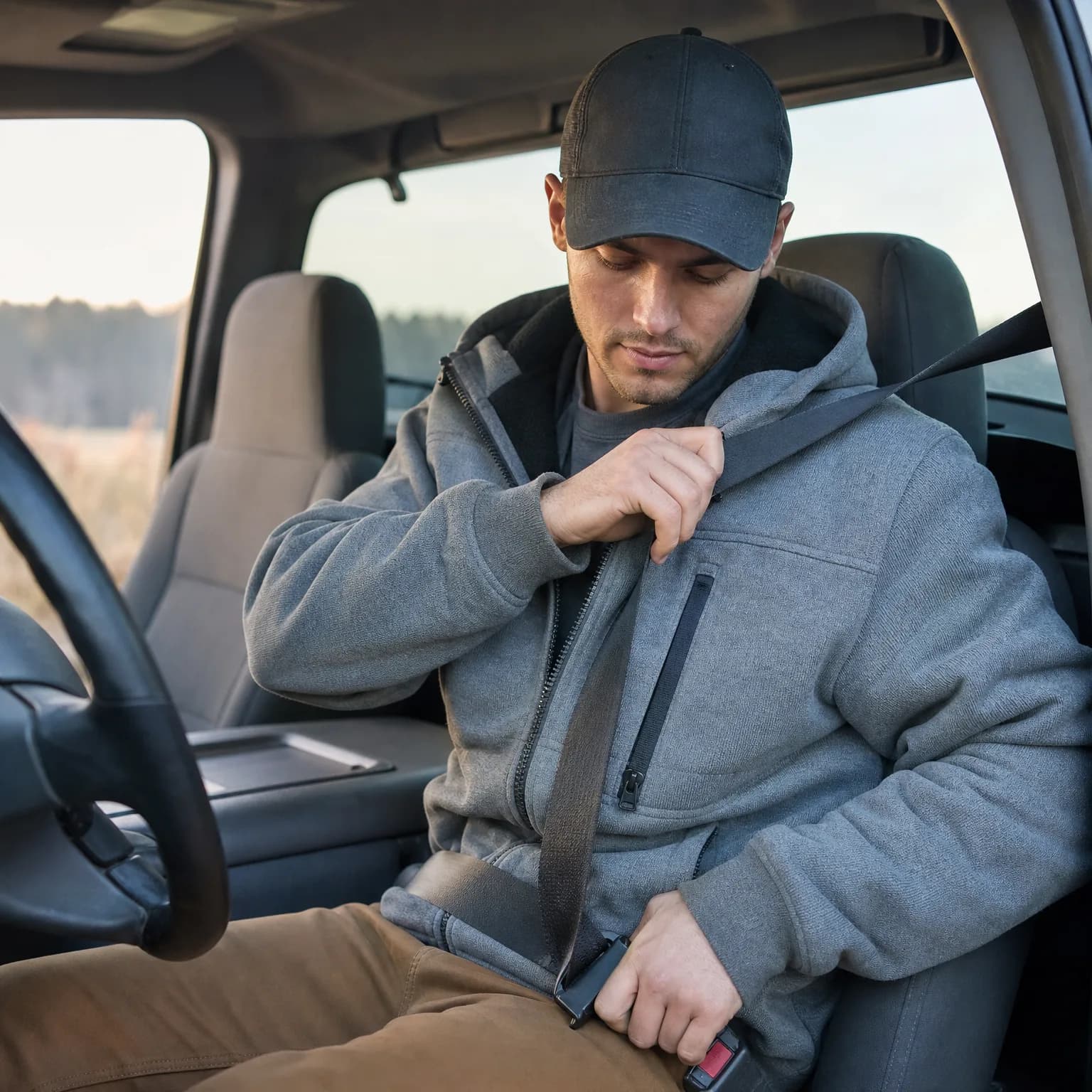
Virginia requires ignition interlock installation on any vehicle you operate under a restricted license following a DUI conviction. The device must remain installed for the entire restricted license period, which for a first DUI is typically 6 to 12 months depending on your court order and VASAP completion timeline.
Installation costs $70 to $150. Monthly monitoring and calibration fees run $60 to $90. Total cost over 12 months: $800 to $1,200. The interlock provider must be Virginia-certified, and you cannot drive any vehicle that does not have an interlock installed—even vehicles owned by family members or employers.
Violating interlock terms—failed breath tests, tampering, skipping calibration appointments—triggers immediate restricted license revocation. Virginia ASAP monitors all interlock violations electronically and reports them to the DMV and the court. Most drivers who lose their restricted license lose it because of interlock violations, not because of new traffic offenses.
Total Cost to Reinstate After Refusal and Conviction
Reinstating your license after a breathalyzer refusal and DUI conviction in Virginia costs $2,800 to $5,200 over the 3-year FR-44 filing period. The breakdown:
Reinstatement fee: $220 (paid to DMV before restricted license is issued). VASAP enrollment and program fees: $250 to $400 depending on your local ASAP office. Ignition interlock installation and monitoring: $800 to $1,200 over 12 months. FR-44 insurance premium increase: $1,500 to $3,000 annually above standard rates for 3 years.
This does not include attorney fees, court fines, or the cost of alternative transportation during any hard suspension period. Drivers who own a vehicle pay the full interlock cost. Drivers without a vehicle avoid interlock but still pay non-owner FR-44 premiums, which are lower but still required for the full 3-year period.
Frequently Asked Questions
Can I refuse a breathalyzer in Virginia without losing my license?
No. Virginia Code § 18.2-268.3 imposes an automatic 12-month administrative license suspension for breathalyzer refusal, separate from any DUI charge. This suspension applies whether or not you are later convicted of DUI.
What happens if I'm acquitted of DUI after refusing the breathalyzer?
The 12-month refusal suspension remains in effect even if you are acquitted or charges are dropped. The administrative suspension is civil, not criminal, and does not depend on a DUI conviction. You cannot apply for a restricted license because the restricted license program requires a DUI conviction.
How long do I have to appeal a breathalyzer refusal suspension in Virginia?
You have 7 calendar days from the refusal date to request an administrative hearing with the DMV. The hearing evaluates only whether the officer had reasonable grounds to arrest you, whether you were lawfully arrested, and whether you refused the test after being read the implied consent warning. Missing the 7-day deadline makes the suspension final.
Does Virginia require SR-22 or FR-44 after a DUI conviction?
Virginia requires FR-44, not SR-22, for DUI offenders. FR-44 mandates 50/100/40 liability limits—double the state's standard minimums—and must be filed for 3 years from the conviction date. If you do not own a vehicle, you need non-owner FR-44 coverage.
Can I drive to work during the breathalyzer refusal suspension?
Not unless you are also convicted of DUI and granted a restricted license by the court. The restricted license requires VASAP enrollment, ignition interlock installation, FR-44 filing, and a $220 reinstatement fee. If you are acquitted or charges are dropped, no restricted license is available.
What is the penalty for a second breathalyzer refusal in Virginia?
A second refusal within 10 years results in a 3-year license suspension and is charged as a Class 1 misdemeanor with up to 12 months in jail and a $2,500 fine. The second refusal is a separate criminal charge, not just an administrative penalty.
How much does FR-44 insurance cost in Virginia after a DUI?
FR-44 premiums typically cost $150 to $300 per month for drivers with DUI convictions, compared to $80 to $120 for standard coverage. Non-owner FR-44 policies cost $50 to $100 per month. The filing requirement lasts 3 years from the conviction date.
Related Articles
MD Restricted License Wait After DUI Breath Refusal
5/16/2026

Breathalyzer Refusal Costs: Suspension, SR-22, IID
5/16/2026

CA Breathalyzer Refusal: 1-Year Suspension, No Hardship
5/16/2026
VA DUI to Restricted License Timeline & Cost Breakdown
5/16/2026

AZ Breathalyzer Refusal: Restricted License Wait
5/16/2026
Refusal & Hardship License: How It Affects Eligibility
5/17/2026