
Refusing a Breathalyzer in Florida: Hardship License Wait Period
Get My Hardship-License SR-22 QuoteWhy Florida's Refusal Penalty Creates a Longer Wait Than the DUI Itself
Florida Statutes § 322.2615 imposes a 90-day hard suspension for refusing a breathalyzer or chemical test, measured from the date of arrest. This is triple the 30-day hard suspension applied to a first DUI conviction based on BAC results. The hard suspension means no driving at all—no Business Purpose Only License, no work commute, no exceptions.
The inversion catches most drivers by surprise. If you refused the test hoping to avoid evidence, the procedural consequence is worse than accepting it. After 90 days, you become eligible to apply for a BPO license through the Florida Department of Highway Safety and Motor Vehicles. Until then, no legal pathway exists to drive.
This applies to administrative suspensions triggered by the refusal itself, not the criminal DUI case. Even if your DUI charge is later reduced or dismissed, the 90-day refusal suspension runs independently. DHSMV processes the administrative suspension based on the arresting officer's sworn statement that you refused testing, not on the criminal court outcome.

When the 90-Day Clock Starts and How It Stacks With Criminal Court Timelines
The 90-day period begins the day of your arrest, not the day DHSMV mails the suspension notice. If you were arrested on March 1, your hard suspension runs through May 29, regardless of when you receive formal notice or when your criminal arraignment occurs.
Criminal DUI cases move slowly. Arraignment typically occurs 30 to 45 days after arrest. Pretrial motions, discovery, and plea negotiations stretch another 60 to 120 days. By the time your criminal case resolves, your 90-day administrative hard suspension may already be complete or nearly complete.
If your criminal case results in a DUI conviction, the court imposes a separate driver license revocation under Florida Statutes § 322.28. This revocation runs consecutively to the administrative suspension unless the judge orders concurrent credit, which is rare. You serve the 90-day refusal suspension first, then enter the 30-day hard suspension for the DUI conviction itself. After both hard periods expire, you can apply for a BPO license if you meet all other conditions.

What Documentation DHSMV Requires Before Approving a BPO License After Refusal
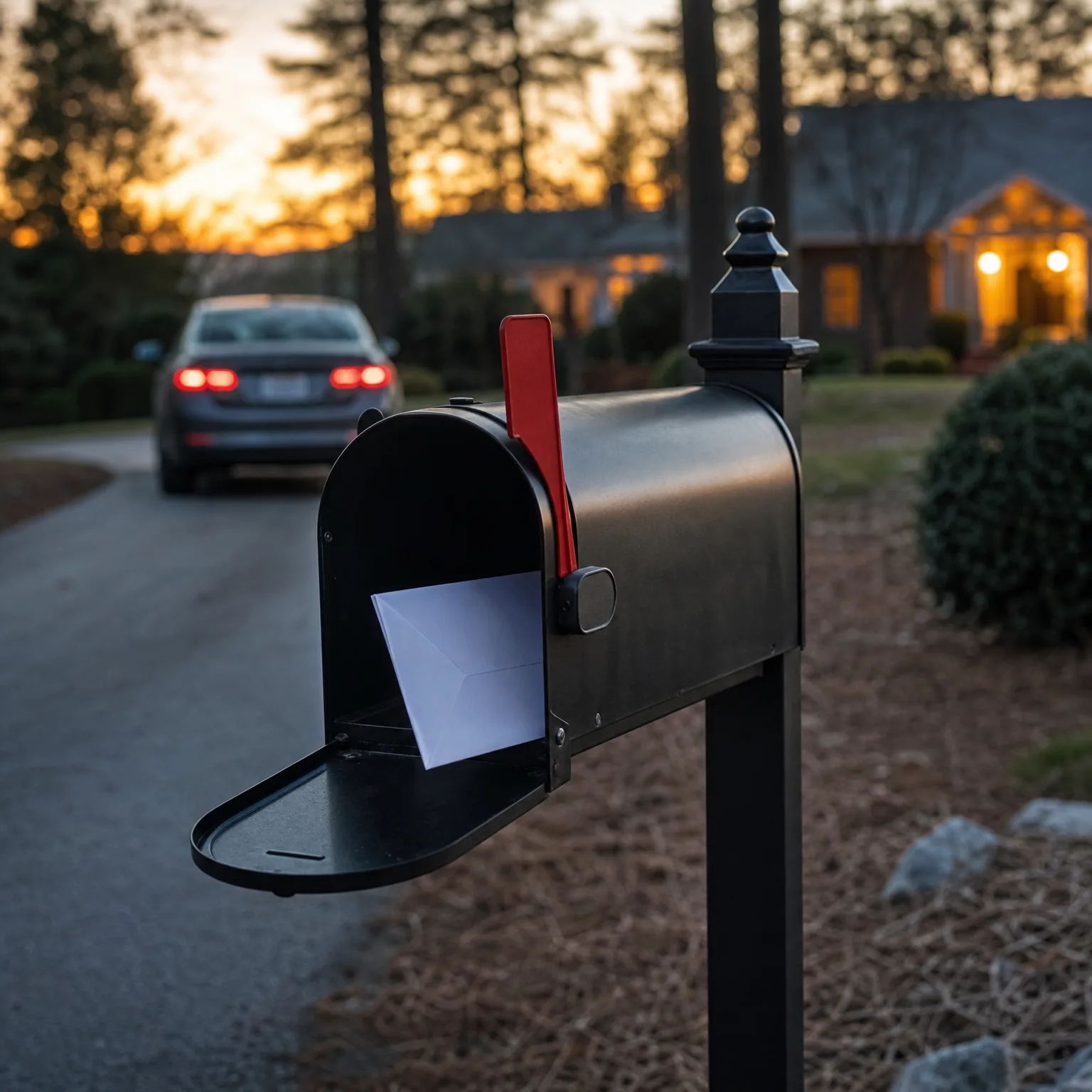
Florida requires proof of enrollment in DUI school before issuing a Business Purpose Only License for any DUI-related suspension, including refusal cases. You must complete the registration and pay the initial fee—typically $275 to $350—before DHSMV will process your hardship application. Enrollment confirmation is not negotiable.
You also need an FR-44 insurance certificate filed by your carrier. Florida is one of only two states requiring FR-44 instead of SR-22 for DUI offenses. The FR-44 mandates $100,000/$300,000 bodily injury and $50,000 property damage liability limits, significantly higher than standard minimums. Carriers file the FR-44 electronically with DHSMV; you cannot file it yourself.
Finally, you must submit proof of hardship: an employer affidavit on company letterhead verifying your work schedule and job location, school enrollment documentation if applicable, or medical appointment records if driving is medically necessary. DHSMV reviews these documents to confirm the routes and hours you request align with genuine business purposes. Generic requests without employer verification are routinely denied.
The hardship application fee is $12, paid directly to DHSMV when you submit your application at a driver license office. Processing typically takes 7 business days after approval, though this estimate assumes all documentation is complete at submission.
How Ignition Interlock Affects BPO License Eligibility for Refusal Cases
Florida requires ignition interlock devices for most DUI-related hardship licenses, including refusal suspensions. The IID must be installed before DHSMV issues the BPO license. You cannot drive on the BPO license without an active, calibrated IID in the vehicle.
Installation costs range from $75 to $150, with monthly monitoring and calibration fees of $60 to $90. The device requires calibration every 30 days at an approved service center. Missing a calibration appointment triggers a violation report to DHSMV, which can revoke your BPO license without further hearing.
The IID period typically runs for the duration of your BPO license, which is six months for a first refusal suspension. If your criminal DUI case later results in a conviction, the court may order additional IID time as part of the criminal sentence. These periods do not always run concurrently—confirm with your DUI attorney whether the administrative IID time credits toward the criminal court order.
Not all vehicles qualify for IID installation. Fleet vehicles, motorcycles, and vehicles without standard ignition systems cannot accommodate the device. If your employer's vehicle falls into one of these categories, you cannot use it for BPO license purposes. You must either install the IID in a personal vehicle or arrange alternative transportation.

Drive Legally on Your Restricted License
Get My Hardship-License SR-22 Quote
What Routes and Hours DHSMV Approves for Business Purpose Driving
Florida's Business Purpose Only License permits driving to and from work, school, church, medical appointments, and for business purposes of your employer. Personal errands, grocery shopping, social visits, and recreational trips are prohibited. The license specifies the approved routes and hours; driving outside those parameters is a criminal offense.
You must document each approved route with addresses and typical travel times. DHSMV reviews the routes against your employer affidavit and denies overly broad requests. A request covering "anywhere in Hillsborough County for work purposes" will be rejected. A request covering "home address to employer address at 123 Main St, Tampa, Monday through Friday, 7:00 AM to 6:00 PM" is specific and more likely to be approved.
No statewide time-of-day restrictions apply, but your approved hours must align with your work schedule. If your employer affidavit states you work 9 AM to 5 PM Monday through Friday, your BPO license will not authorize late-night or weekend driving. Driving outside approved hours is treated as driving on a suspended license, a first-degree misdemeanor carrying up to one year in jail and a $1,000 fine.
If your work schedule changes after your BPO license is issued, you must notify DHSMV and request an amendment. Most drivers do not realize this. Driving under the new schedule without updating the license creates exposure to criminal prosecution even if the driving was work-related.

How FR-44 Filing Duration Extends Beyond the BPO License Period
The FR-44 certificate must remain active for three years from the date of reinstatement, not from the date of arrest or the date your BPO license is issued. This means the filing obligation extends years beyond the hardship period itself.
If your FR-44 lapses at any point during the three-year period, DHSMV suspends your license immediately. Carriers report cancellations electronically through the Florida Insurance Tracking System, often within 24 hours. DHSMV receives the lapse notification and issues a new suspension order, typically before the driver realizes coverage has lapsed.
Reinstatement after an FR-44 lapse requires paying a $150 reinstatement fee for a first lapse, $250 for a second, and $500 for a third or subsequent lapse within three years. You must also re-file the FR-44 and maintain it for the remainder of the original three-year period. The clock does not reset; lapses extend the total time you remain under DHSMV monitoring.
FR-44 premiums typically run $1,200 to $2,800 annually for a first DUI offense, depending on your age, location, and driving history. Multiply that by three years and add installation fees, IID costs, DUI school tuition, court fines, and the hardship application fee. Total cost over the three-year period commonly exceeds $8,000.
What Happens If You Drive During the 90-Day Hard Suspension
Driving during the 90-day hard suspension is a criminal offense under Florida Statutes § 322.34. First-time driving on a suspended license for a DUI-related suspension is a first-degree misdemeanor, punishable by up to one year in jail, a $1,000 fine, and an additional license suspension.
Prosecutors treat these cases seriously. Unlike administrative violations, this is a criminal charge requiring arraignment, possible pretrial detention, and a permanent criminal record if convicted. If you are arrested for DWLS during the hard suspension and you also have alcohol in your system, prosecutors can file both DWLS and a new DUI charge.
The additional suspension stacks on top of the original 90-day period. If you are caught driving 60 days into your hard suspension, DHSMV can extend the suspension another 90 days to one year, depending on the specifics of the violation and your prior record. This extension resets your BPO license eligibility clock—you must serve the new suspension period in full before applying.
Many drivers assume driving to work "just this once" carries minimal risk. Law enforcement actively patrols for suspended drivers, particularly in counties with high DUI arrest rates. Tag readers and routine traffic stops flag suspended licenses immediately. One trip to work can cost you months of additional suspension and thousands in legal fees.
Frequently Asked Questions
Can I get a Business Purpose Only License immediately after refusing a breathalyzer in Florida?
No. Florida imposes a mandatory 90-day hard suspension for refusing a breathalyzer or chemical test. You cannot apply for a Business Purpose Only License until the 90-day period expires, measured from your arrest date. Until then, no legal driving is permitted.
Does the 90-day refusal suspension count toward my DUI conviction suspension?
Typically no. The administrative refusal suspension runs separately from the criminal DUI revocation. If you are later convicted of DUI, the court imposes an additional 30-day hard suspension that usually runs consecutively, not concurrently. Confirm with your attorney whether your judge will grant credit for time served.
What happens if my DUI charge is dismissed but I refused the breathalyzer?
The 90-day administrative suspension remains in effect. DHSMV processes the refusal suspension based on the arresting officer's sworn statement, not the criminal court outcome. Even if the DUI charge is dismissed or reduced, you still serve the full refusal suspension and must complete all reinstatement requirements.
Do I need an ignition interlock device on a BPO license after refusing a breathalyzer?
Yes. Florida requires ignition interlock devices for most DUI-related hardship licenses, including refusal suspensions. The IID must be installed before DHSMV will issue your Business Purpose Only License, and it must remain active and calibrated for the duration of the hardship period.
Can I drive for personal errands on a Florida Business Purpose Only License?
No. The BPO license restricts you to driving for work, school, church, medical appointments, and employer business purposes only. Personal errands, grocery shopping, and social trips are prohibited. Driving outside approved routes and hours is a criminal offense.
How long does the FR-44 filing last after a breathalyzer refusal in Florida?
Three years from the date of reinstatement. The FR-44 filing obligation extends years beyond your Business Purpose Only License period. If the FR-44 lapses at any point during the three years, DHSMV suspends your license immediately and imposes reinstatement fees ranging from $150 to $500.
What documents does DHSMV require to approve a BPO license after refusal?
You must provide proof of DUI school enrollment, an FR-44 insurance certificate filed by your carrier, and proof of hardship such as an employer affidavit on company letterhead. The hardship application fee is $12, and processing typically takes 7 business days after approval.
Related Articles
Cost of Refusing Breathalyzer in Florida DUI Stop
5/17/2026
Refusal & Hardship License: How It Affects Eligibility
5/17/2026

Breath vs Blood Test Refusal: Hardship License Impact
5/16/2026

FL DUI .15+ BAC: Enhanced Penalties & Hardship License
5/17/2026
First 30 Days After Florida DUI: Protect BPO Eligibility
5/16/2026

Pre vs Post-Arrest Breath Test Refusal: License Impact
5/17/2026