
Rhode Island Hardship License After a DUI: Cost and IID Requirements
Get My Hardship-License SR-22 QuoteCan You Get a Hardship License After a DUI in Rhode Island?
Yes, but only after serving a minimum 30-day hard suspension and enrolling in a Rhode Island DUI education or treatment program. Rhode Island calls this a Hardship License, and it's available to first-offense DUI drivers who can demonstrate genuine employment, medical, or educational necessity. The catch: you petition the court—either Traffic Tribunal or Superior Court depending on your charge—not the DMV. The DMV processes your approval only after the court grants it.
Second-offense DUI cases face longer wait periods and stricter scrutiny. If your BAC was .15 or higher, or if your case involved property damage or injury, expect the court to impose additional conditions before approving your petition. Refusal cases—where you declined a chemical test—trigger separate administrative suspensions under R.I. Gen. Laws § 31-27-2.1, with suspension periods ranging from 6 months to 1 year. Whether you can petition for hardship relief during a refusal suspension depends on whether the administrative suspension runs concurrently with your criminal suspension.
The hardship license does not restore full driving privileges. Your court order will specify the hours and routes you're allowed to drive—typically home to work, work to DUI classes, home to medical appointments, and nothing else. Violating those restrictions revokes your hardship license immediately and adds new charges to your record.

The 30-Day Hard Suspension Rule Most Petitions Miss
Rhode Island imposes a mandatory minimum hard suspension before you can apply for a hardship license. For first-offense DUI, that period is typically 30 days from the date of conviction, not the date of arrest. You cannot drive at all during this window—no exceptions, no early petitions, no provisional relief. The court will deny any petition filed before the hard suspension period is complete.
This 30-day rule is not codified in a single clean statute. It's a judicial practice enforced by Traffic Tribunal judges and Superior Court judges handling DUI cases. You'll find it referenced in RIGL § 31-11-18.1, the governing statute for hardship petitions, but the specific wait period varies by case facts and the judge's interpretation of "undue hardship." If your case involved aggravating factors—high BAC, an accident, a child passenger—the court may extend the hard suspension to 60 or 90 days before hearing your petition.
Second-offense and felony DUI cases face longer mandatory minimums, often 6 months to 1 year. At that tier, hardship eligibility is discretionary and granted sparingly. If you're a repeat offender, expect the court to require completion of a significant portion of your DUI program before entertaining a hardship petition.

Ignition Interlock Device Requirement and Costs
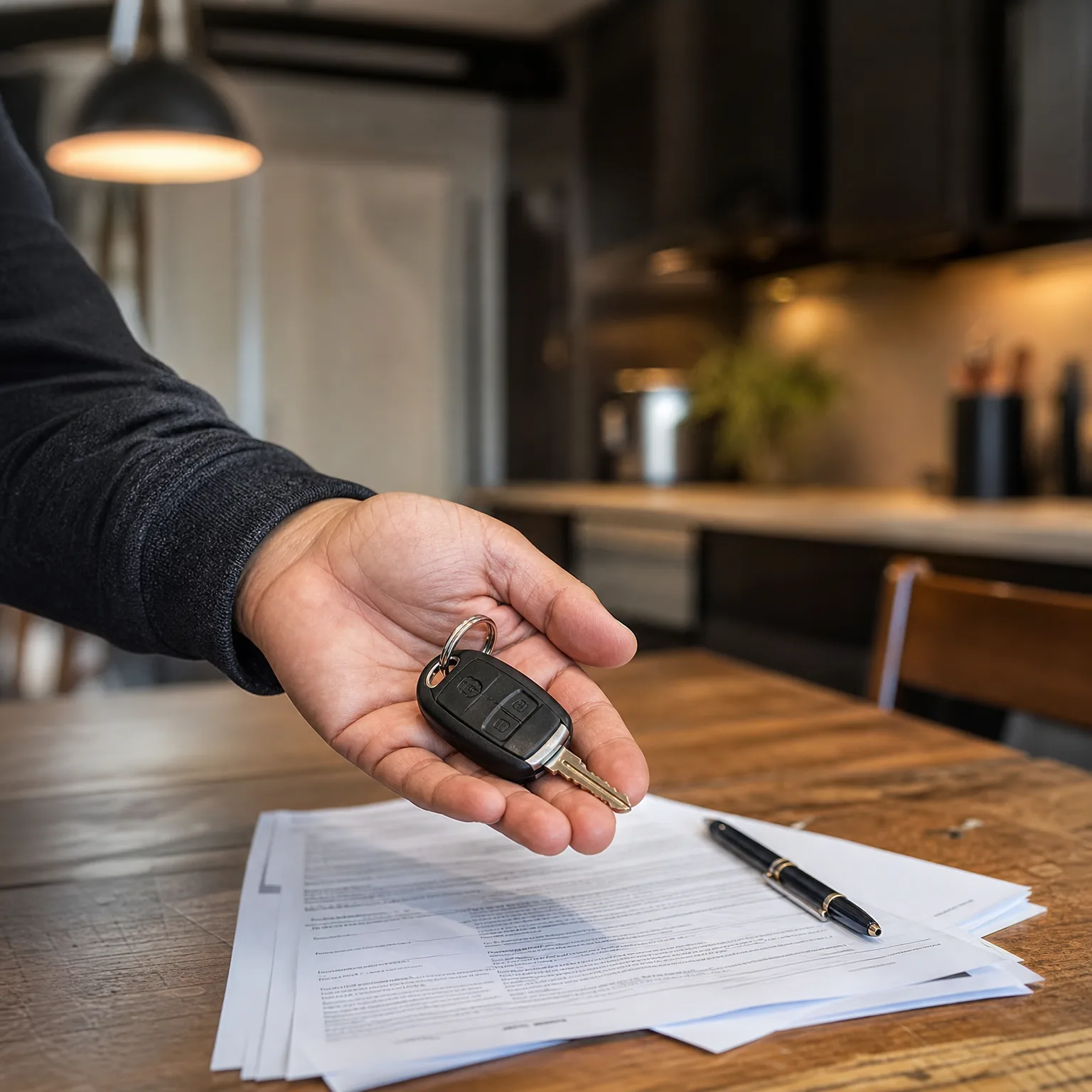
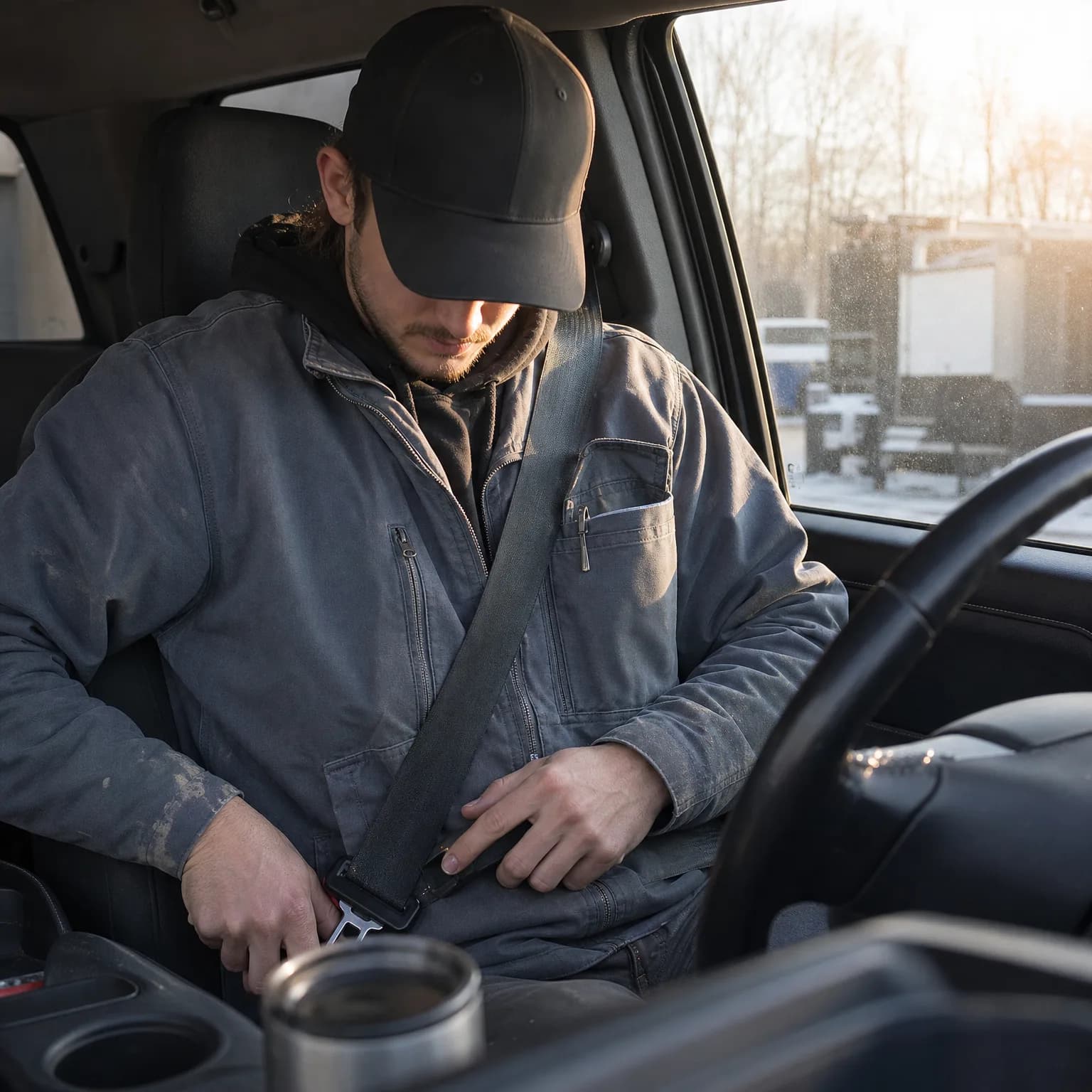
Rhode Island requires an ignition interlock device (IID) on any vehicle you operate under a hardship license. This requirement is non-negotiable for DUI cases. The IID prevents your vehicle from starting if it detects alcohol on your breath. You pay for installation, monthly monitoring, and calibration—all out of pocket.
Installation costs run $75 to $150, depending on the provider and your vehicle type. Monthly monitoring and calibration fees add another $60 to $90 per month. Over a 12-month hardship period, expect to pay $800 to $1,200 in IID costs alone. Rhode Island allows multiple IID providers; the DMV maintains a list of approved vendors on its website. Shop carefully—some providers charge extra for weekend installation or rural service calls.
Your hardship license restricts you to driving IID-equipped vehicles only. If you're caught driving a non-equipped vehicle—even a spouse's car, even in an emergency—your hardship license is revoked on the spot and you face new criminal charges. Some insurance carriers will not cover IID-equipped vehicles under standard policies; verify coverage with your carrier before installation. If you don't own a vehicle, the IID requirement creates a catch-22: you need a vehicle to install the device, but most rental companies won't allow IID installation on their fleet.
SR-22 Filing Requirement for DUI Hardship Cases
Rhode Island requires an SR-22 certificate of financial responsibility before the DMV will issue your hardship license. The SR-22 is not insurance—it's a filing your insurance carrier submits to the DMV proving you carry at least the state's minimum liability coverage: $25,000 per person, $50,000 per accident for bodily injury, and $25,000 for property damage. The filing itself costs $15 to $50 depending on your carrier, but the real expense is the premium increase that accompanies it.
DUI-related SR-22 filings typically trigger rate increases of 50% to 150% over your pre-conviction premium. If you were paying $90 per month before your DUI, expect to pay $140 to $225 per month with an SR-22 on file. Rhode Island requires continuous SR-22 filing for 3 years following most DUI suspensions. Any lapse in coverage—even one day—triggers an automatic license suspension and restarts your filing clock.
If you don't own a vehicle, you need a non-owner SR-22 policy. This covers you when driving vehicles you don't own—borrowed cars, rental cars, or vehicles provided by an employer. Non-owner SR-22 policies typically cost $30 to $60 per month in Rhode Island. Carriers writing non-owner SR-22 in the state include GEICO, Progressive, The General, and USAA. Not all carriers write non-owner policies; call ahead before walking into an agent's office.

Drive Legally on Your Restricted License
Get My Hardship-License SR-22 Quote
How to Petition for a Rhode Island Hardship License
Your petition route depends on whether your DUI charge was handled in Traffic Tribunal or Superior Court. Most first-offense misdemeanor DUI cases go through Traffic Tribunal. Felony DUI cases, second offenses involving injury, and cases with additional criminal charges are heard in Superior Court. Check your court paperwork to confirm jurisdiction before filing.
The petition itself requires three core documents: proof of employment or other hardship necessity (employer letter on company letterhead specifying your work schedule and travel requirements), proof of enrollment in a Rhode Island DUI education or treatment program (most courts accept a letter from the program director confirming your enrollment date and attendance record), and proof of SR-22 insurance filing (a certificate from your carrier showing active coverage). Missing any one of these documents will delay or derail your petition.
Rhode Island does not charge a formal hardship license application fee at the court level, but you'll pay court filing fees if your petition requires a formal hearing. Expect $35 to $85 in administrative fees depending on your court. Once the court grants your petition, you'll pay the DMV a $30 reinstatement processing fee to activate your hardship license. Budget $100 to $150 total in petition-related fees, separate from your SR-22 and IID costs.

What Your Hardship License Allows You to Drive For
Rhode Island courts limit hardship licenses to specific approved purposes: travel between home and work, travel to and from your DUI education or treatment program, travel to medical appointments for yourself or a dependent, and travel to court-ordered obligations. The court order will specify your allowed routes and the hours you're permitted to drive. You cannot deviate from those terms.
Most judges grant 12-hour daily windows aligned with your work schedule. If you work 9 AM to 5 PM, your order might allow driving from 7 AM to 7 PM on weekdays only. Weekend driving is typically restricted to DUI program attendance and medical emergencies. Personal errands—grocery shopping, visiting friends, taking your kids to school outside your approved route—are not covered. Violating your restriction terms is a separate criminal offense that voids your hardship license and adds jail time to your original sentence.
Some judges require GPS monitoring or weekly mileage logs to verify compliance. If your employer requires you to drive as part of your job—delivery, sales routes, ride-share—disclose that in your petition. The court may deny hardship relief entirely if your employment involves commercial driving or transporting passengers. Rhode Island does not issue hardship CDLs for DUI cases.
Full License Reinstatement After Your Hardship Period
Your hardship license does not count toward your full suspension period. If you were sentenced to a 6-month suspension and the court granted a hardship license after 30 days, you still owe the full 6 months from your conviction date before you're eligible for full reinstatement. The hardship license is temporary driving relief, not early reinstatement.
Full reinstatement requires three steps: complete your entire court-ordered suspension period, complete your DUI education or treatment program and submit proof to the DMV, and pay the $352.50 reinstatement fee for DUI-related suspensions. That fee stacks with the $30 hardship processing fee you already paid—they're separate charges. If you had multiple concurrent suspensions (DUI plus refusal, DUI plus uninsured motorist), Rhode Island charges a separate reinstatement fee for each, potentially doubling or tripling your total cost.
Your SR-22 filing requirement does not end when your suspension ends. Rhode Island mandates 3 years of continuous SR-22 coverage from your conviction date. If you cancel your policy or let it lapse at any point during those 3 years, the DMV suspends your license again and you restart the clock. Keep your SR-22 active until the DMV sends you written confirmation that your filing obligation is complete.
Frequently Asked Questions
How much does a Rhode Island hardship license cost in total?
Expect to pay $1,200 to $2,000 for the first year. That includes a $30 DMV processing fee, $75 to $150 IID installation, $60 to $90 per month in IID monitoring fees ($720 to $1,080 annually), $15 to $50 SR-22 filing fee, and premium increases of $600 to $1,620 annually depending on your carrier and driving history. Court filing fees add another $35 to $85 if your petition requires a formal hearing.
Can I get a hardship license for a second DUI in Rhode Island?
Possibly, but the court's discretion is much narrower. Second-offense DUI cases face mandatory minimum suspensions of 1 to 2 years, and judges rarely grant hardship relief before you've served at least 6 months of hard suspension and completed a substantial portion of your DUI program. If your second offense involved injury, property damage, or a BAC over .15, expect the court to deny hardship petitions outright.
What happens if I drive outside my hardship license restrictions in Rhode Island?
Your hardship license is revoked immediately and you face new criminal charges for violating a court order. Rhode Island treats hardship violations as separate offenses, often adding jail time, extended suspension periods, and additional fines. If you're stopped outside your approved hours or routes, the officer will confiscate your hardship license on the spot and you'll be charged with driving under suspension—a misdemeanor that carries up to 1 year in jail.
Do I need a lawyer to petition for a hardship license in Rhode Island?
Not legally required, but hiring a DUI attorney improves your approval odds. Rhode Island Traffic Tribunal and Superior Court judges have wide discretion in hardship cases. An attorney familiar with local court practices can frame your petition to address the specific concerns judges in your jurisdiction prioritize—employment documentation quality, DUI program enrollment timing, and whether your proposed routes are genuinely necessary or overly broad.
Can I use my Rhode Island hardship license to drive out of state?
No. Rhode Island hardship licenses are valid only within state borders and only for the court-approved purposes listed in your order. If you live near the Massachusetts or Connecticut border and your work commute crosses state lines, you must disclose that in your petition and request specific interstate travel authorization. Most judges deny interstate hardship relief due to enforcement and jurisdictional complications.
How long does it take to get a hardship license approved in Rhode Island?
Court petition processing typically takes 2 to 6 weeks from the date you file, depending on Traffic Tribunal or Superior Court docket loads. Once the court grants your petition, DMV processing adds another 3 to 7 business days. Total timeline from petition filing to receiving your hardship license: 3 to 7 weeks. Plan ahead—your 30-day hard suspension starts immediately upon conviction, and petition delays can extend your no-driving period.
Related Articles
RI Hardship License Cost After DUI: Court, IID, Course
5/16/2026

RI Hardship License After 2nd DUI: Who Qualifies
5/16/2026

RI Hardship License Wait After DUI Refusal Explained
5/16/2026

RI DUI .15+ BAC: Hardship License & Interlock Rules
5/16/2026

Why RI Requires IID During DUI Hardship License Period
5/16/2026

Hardship License After DUI: Court vs DMV Routes
5/16/2026