Washington DUI Causing Injury: Vehicular Assault and IIL Eligibility
Get My Hardship-License SR-22 QuoteVehicular Assault vs. Standard DUI: What Changes for Your License
Washington charges DUI causing serious bodily injury as vehicular assault under RCW 46.61.522, a felony separate from standard DUI. Your DOL administrative suspension runs independently from the criminal case. Most defendants assume they must wait for trial resolution before applying for an Ignition Interlock License, but Washington allows IIL applications during pending felony cases if the underlying triggering event was alcohol or drug-related driving.
The criminal conviction timeline stretches months or years. The administrative suspension starts within 60 days of arrest if you failed or refused the breath test. DOL does not wait for your criminal case to close before processing your IIL application. The two systems operate in parallel.
Vehicular assault convictions carry mandatory minimum IID periods longer than standard DUI. First-offense vehicular assault requires ignition interlock for 5 years minimum compared to 1 year for standard DUI. Second or subsequent offense pushes the period to 10 years. The IIL you receive during the suspension period transitions directly into this post-conviction mandatory period without interruption.
When Washington DOL Will Process Your IIL Application
DOL begins accepting IIL applications the day your administrative suspension takes effect, regardless of pending criminal charges. If you refused the breath test, your administrative revocation lasts 1 year with immediate IIL eligibility. If you failed the test (BAC .08 or higher), the revocation is 90 days for first offense, with IIL available from day one.
Vehicular assault charges do not create additional administrative waiting periods beyond the standard DUI refusal or failure consequences. The $100 IIL application fee is identical. The required documentation is identical: SR-22 filing, proof of DOL-approved IID installation, completed application form, payment.
DOL approval does not depend on criminal case resolution. You can hold an active IIL while facing pending vehicular assault charges. The restriction: you must drive only IID-equipped vehicles, and any new alcohol-related arrest while on IIL triggers immediate revocation.
How Conviction Changes Your Mandatory IID Period
The IIL you receive during administrative suspension becomes part of your mandatory post-conviction ignition interlock compliance period. Washington does not give credit for IIL time served before conviction. A vehicular assault conviction resets the clock.
First-offense vehicular assault under RCW 46.61.522 requires 5 years of ignition interlock from the date of conviction, not the date of arrest. If you held an IIL for 18 months during the pretrial period, you still owe the full 5-year post-conviction period. Second offense or vehicular homicide cases extend the mandatory period to 10 years or longer.
Your IIL converts automatically into the post-conviction restricted license once DOL receives notice of the conviction and the court's ignition interlock order. The device stays installed. The SR-22 filing continues for the full conviction-based period, typically 3 years minimum from conviction date per RCW 46.29.090.
What Happens If You're Convicted of a Lesser Charge
Prosecutors frequently reduce vehicular assault charges to standard DUI or reckless driving as part of plea agreements. The reduction changes your mandatory IID period dramatically. Standard DUI carries 1 year IID for first offense, 5 years for second, 10 years for third. Reckless driving alone does not require ignition interlock unless the court specifically orders it as a condition of probation.
DOL honors the conviction entered, not the original charge. If your plea agreement results in first-offense DUI instead of vehicular assault, your post-conviction IID requirement drops to 1 year. If you've already held an IIL for 14 months during pretrial suspension, DOL gives no retroactive credit, but the remaining compliance period shrinks to the lesser conviction's requirement.
Negligent driving in the first degree (a common reduction from DUI causing injury) does not trigger ignition interlock at all unless the court specifically imposes it. Your IIL issued during the administrative suspension period would expire at the end of the administrative revocation, with full reinstatement available once you satisfy DOL's requirements and pay the $75 base reinstatement fee plus any conviction-related fees.

Drive Legally on Your Restricted License
Get My Hardship-License SR-22 Quote
SR-22 Filing Duration After Vehicular Assault
Washington requires SR-22 filing for 3 years following any alcohol-related license action, measured from the date DOL processes your reinstatement or issues your IIL. Vehicular assault does not extend the standard 3-year SR-22 period unless your conviction includes additional violations (hit and run, driving while suspended, uninsured driving) that stack separate filing requirements.
Your SR-22 filing must remain active and continuous throughout the entire period. A lapse triggers automatic suspension under Washington's electronic insurance verification system. Carriers report cancellations to DOL in real time. Most drivers receive suspension notice within 10 days of SR-22 lapse.
SR-22 premium impact varies by carrier and your specific conviction details. Vehicular assault appears on your driving record as a felony DUI-related offense. Expect annual premiums in the range of $2,400–$4,800 during the filing period for minimum liability coverage. Non-owner SR-22 policies (if you do not own a vehicle) typically cost $400–$900 annually but do not satisfy the ignition interlock requirement — IID requires a vehicle you own or have regular access to.
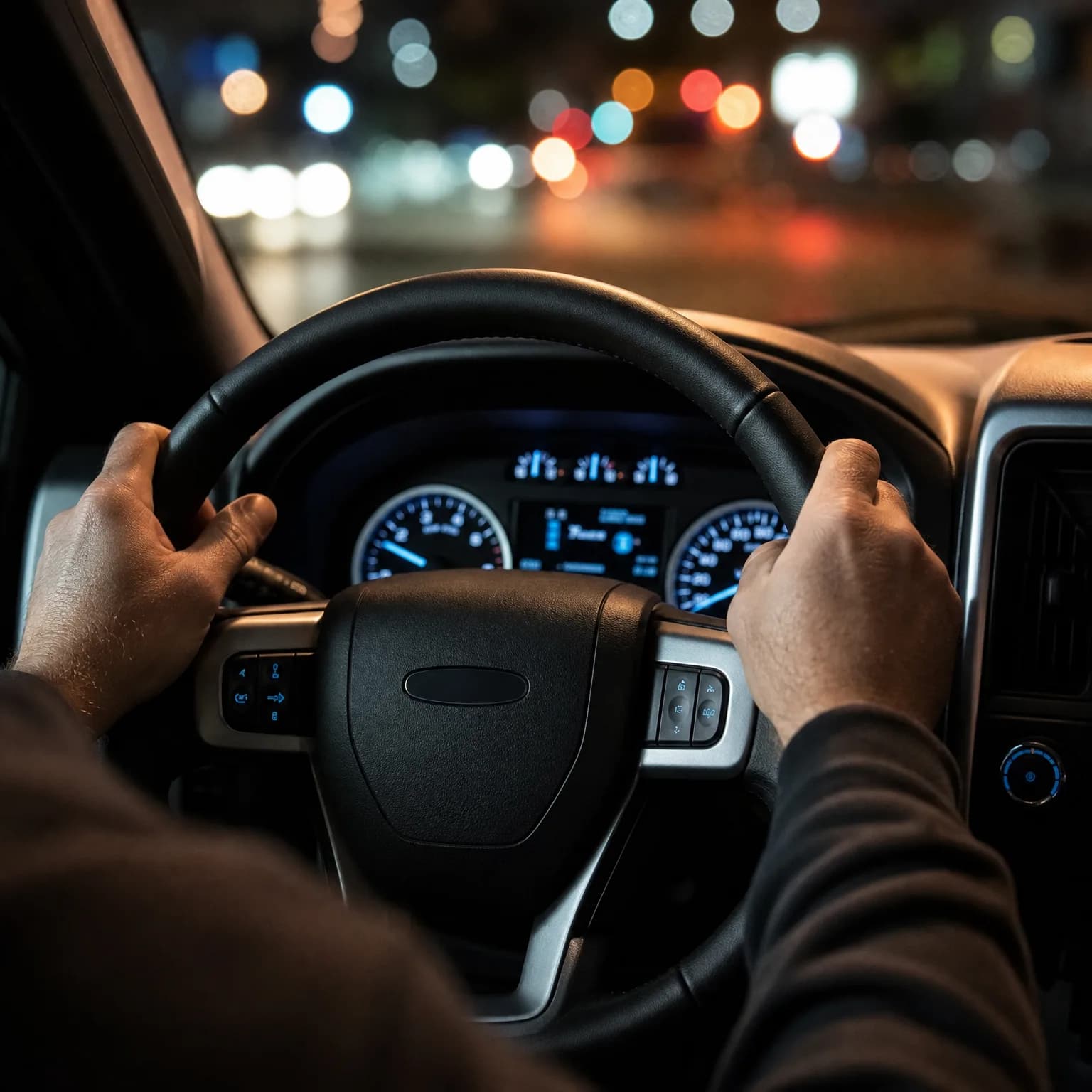
Ignition Interlock Cost Stack Over a 5-Year Period
Installation fees run $100–$200 depending on provider. Monthly monitoring and calibration fees average $70–$100. Over a 5-year vehicular assault IID compliance period, total device costs reach $4,200–$6,000 before insurance.
Add SR-22 filing fees ($25–$50 one-time per carrier) and elevated premiums. Total cost over the 5-year post-conviction period frequently exceeds $15,000 when you combine IID monitoring, SR-22 premiums, reinstatement fees, and court-ordered restitution or treatment program costs.
DOL does not waive IID requirements for financial hardship. Washington law treats ignition interlock as a mandatory safety condition, not a discretionary penalty. Payment plans for device costs exist through most DOL-approved providers, but skipped payments trigger compliance violations reportable to DOL and the court.
What Violating IIL Terms Costs You
Driving any vehicle without an installed IID while holding an IIL constitutes driving while license suspended in the first degree under RCW 46.20.342, a gross misdemeanor. Conviction adds a new mandatory 1-year suspension on top of your existing vehicular assault consequences.
Tampering with the device, attempting to bypass it, or allowing another person to provide a breath sample triggers IIL revocation and extends your total compliance period. DOL receives violation reports directly from the IID provider whenever the device logs a failed start attempt (BAC above the programmed threshold, typically .025), a missed rolling retest, or physical tampering.
Three failed start attempts within 6 months or one tampering event results in IIL revocation. You return to hard suspension status for the remainder of your original revocation period plus any additional time DOL imposes for the violation. Reinstatement after IIL revocation requires a new application, new fees, proof of continuous sobriety, and completion of additional treatment if ordered.
Frequently Asked Questions
Can I get an Ignition Interlock License in Washington while my vehicular assault case is still pending?
Yes. Washington DOL processes IIL applications during pending criminal cases as long as the administrative suspension (from breath test failure or refusal) is active. Criminal case resolution is not required for IIL eligibility. The IIL you receive during pretrial suspension transitions into your post-conviction mandatory interlock period once the court enters a conviction.
Does time on an IIL before conviction count toward my mandatory ignition interlock period after a vehicular assault conviction?
No. Washington does not give credit for IIL time served during the administrative suspension period. A first-offense vehicular assault conviction requires 5 years of ignition interlock starting from the conviction date, regardless of how long you held an IIL before trial. The device and restrictions continue without interruption, but the compliance clock resets at conviction.
What happens to my IIL if the prosecutor reduces my vehicular assault charge to standard DUI?
Your mandatory ignition interlock period drops to match the conviction entered. First-offense DUI requires 1 year of IID instead of 5 years for vehicular assault. DOL honors the final conviction, not the original charge. Your IIL remains active, but the total post-conviction compliance period adjusts to the lesser offense requirement.
How much does ignition interlock cost over a 5-year vehicular assault compliance period in Washington?
Installation runs $100–$200, with monthly monitoring and calibration fees of $70–$100. Total device costs over 5 years reach $4,200–$6,000. Add SR-22 filing fees and elevated insurance premiums of $2,400–$4,800 annually, bringing total cost to $15,000 or more over the full compliance period.
What happens if I drive a vehicle without ignition interlock while I have an IIL in Washington?
You face driving while license suspended in the first degree charges, a gross misdemeanor under RCW 46.20.342. Conviction adds a mandatory 1-year suspension on top of your existing vehicular assault consequences. DOL also revokes your IIL, returning you to hard suspension for the remainder of your original revocation period.
Does vehicular assault extend my SR-22 filing period beyond 3 years in Washington?
No, unless additional violations stack separate filing requirements. Washington requires SR-22 for 3 years following any alcohol-related license action, measured from reinstatement or IIL issue date. Vehicular assault alone does not extend this period, but concurrent charges (hit and run, uninsured driving, driving while suspended) can trigger additional SR-22 obligations.
Can I use a non-owner SR-22 policy to satisfy Washington's IIL insurance requirement?
Non-owner SR-22 satisfies the insurance filing requirement but does not satisfy the ignition interlock requirement. IID compliance requires regular access to a specific vehicle equipped with the device. If you do not own a vehicle, you must arrange access to an IID-equipped vehicle through a family member, employer, or rental program to maintain IIL validity.
Related Articles
Washington Ignition Interlock License After DUI
5/16/2026
How Long After a WA DUI Can You Apply for an IIL?
5/16/2026
WA Ignition Interlock License: Second DUI in 7 Years
5/17/2026
WA IIL vs Deferred Prosecution License After DUI
5/16/2026

WA DUI .15+ BAC: IIL Rules & Enhanced IID Duration
5/16/2026
WA Ignition Interlock License After DUI: Costs & Path
5/17/2026