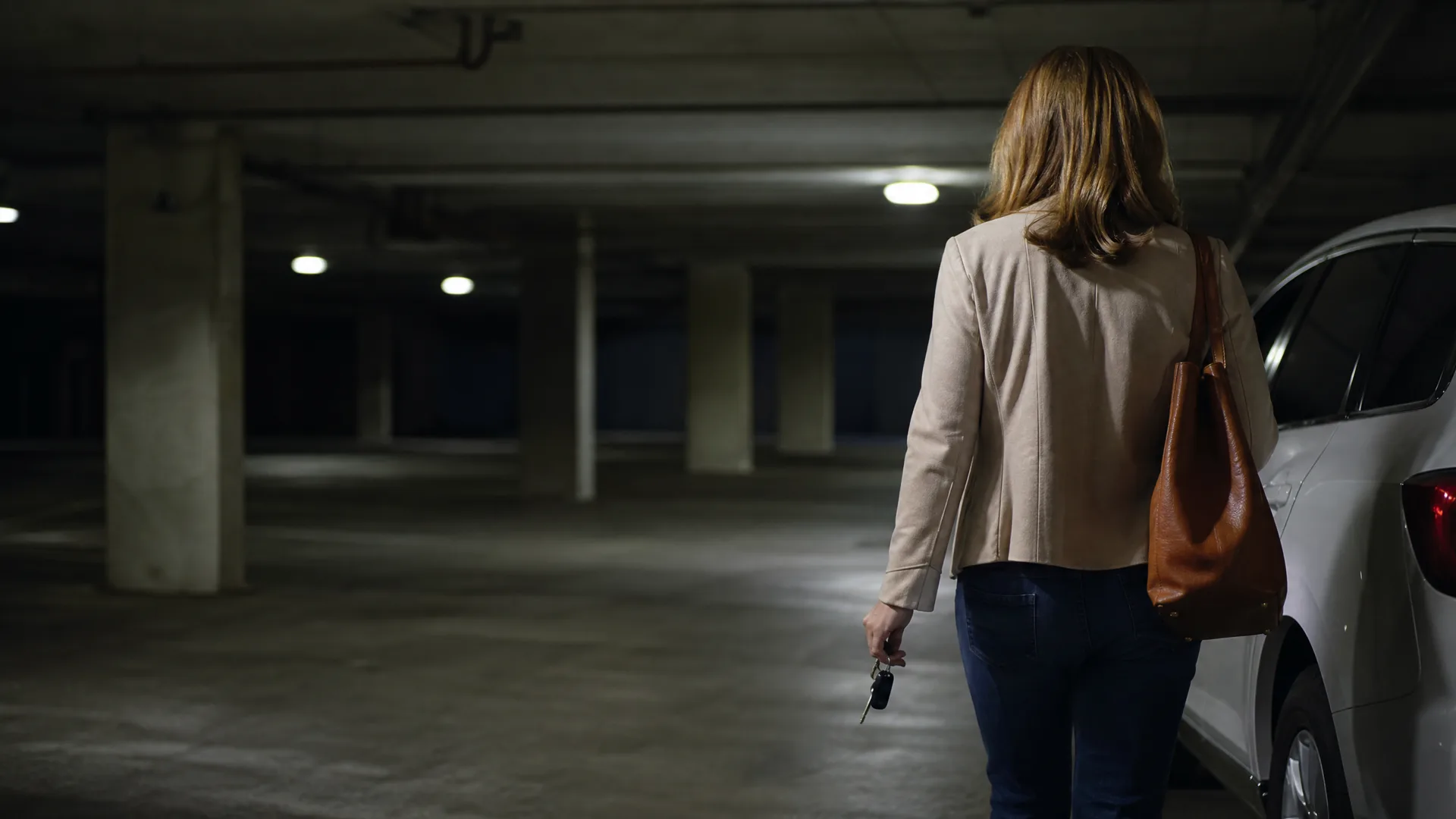
Washington DUI With a Passenger Under 16: Enhanced Penalties and IIL Impact
Get My Hardship-License SR-22 QuoteThe Child Passenger Enhancement: What Changes When a Minor Is in the Vehicle
Washington RCW 46.61.5055 imposes enhanced penalties when a person under 16 is in the vehicle during a DUI arrest. The enhancement applies regardless of whether the child is your own, a relative, or a stranger's child. The statute mandates increased mandatory minimum jail time, higher fines, and an extended ignition interlock device requirement beyond the baseline DUI sentence.
For a first-offense DUI with a child passenger, the mandatory minimum jail sentence increases from one day to two days. The mandatory minimum fine increases from $350 to $1,000. The IID requirement extends to six months minimum instead of the standard one-year period required for a first DUI without the enhancement.
For a second-offense DUI within seven years, the child-passenger enhancement increases the mandatory minimum jail sentence from 30 days to 60 days. The fine minimum increases from $500 to $2,000. The IID requirement extends to 18 months minimum.
These enhancements are statutory: judges have no discretion to waive them if the prosecution proves the child's presence at the time of arrest. The presence determination is based on the arresting officer's report and any statements made at the scene.
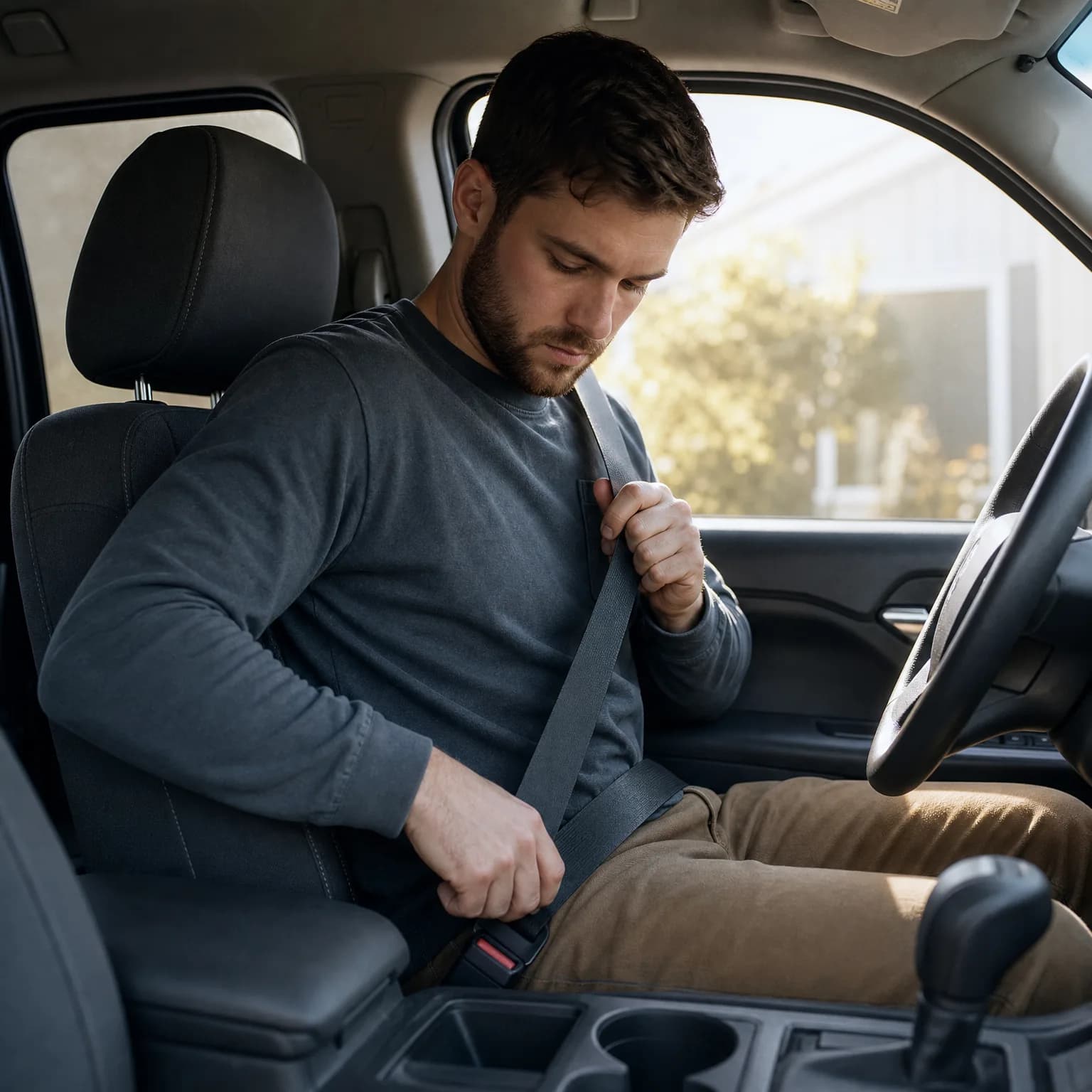
How the Enhancement Affects Ignition Interlock License Eligibility
Washington's Ignition Interlock License program under RCW 46.20.385 allows most DUI defendants to drive during the administrative suspension period, provided they install an approved IID in any vehicle they operate. The child-passenger enhancement does not disqualify a defendant from applying for an IIL, but it does affect the IID compliance period.
First-offense DUI defendants without enhancements face a one-year IID requirement. With the child-passenger enhancement, the IID minimum extends to six months for the mandatory minimum, but many defendants are ordered to maintain the device for the full one-year period or longer depending on sentencing.
Second-offense defendants face an 18-month IID minimum when the child-passenger enhancement applies. This period begins on the date of IIL issuance, not the date of arrest or conviction. Removing the device before the compliance period ends triggers automatic IIL revocation and extends the total suspension period.


The DOL Administrative Suspension Runs Parallel to the Court Order
Washington operates a dual-track suspension system. The Department of Licensing issues an administrative suspension under RCW 46.20.308 (Implied Consent) immediately after an arrest for DUI if the defendant refuses a breath test or registers a BAC of .08 or higher. The court issues a separate criminal suspension upon conviction.
The child-passenger enhancement does not affect the DOL administrative suspension period or timing. A first-offense administrative suspension is 90 days for a failed breath test or one year for a refusal. The enhancement applies only to the criminal court sentence, which runs concurrently or consecutively depending on the order entered by the sentencing judge.
Most defendants receive concurrent suspensions: the DOL suspension and the court suspension overlap, and the longer of the two governs. When a child-passenger enhancement applies, the court suspension often extends beyond the DOL suspension due to the increased IID compliance period. IIL eligibility begins immediately for most first-offense defendants, but the IID must remain installed for the entire court-ordered period to avoid revocation.
SR-22 Filing Duration and Cost Stack With the Child-Passenger Enhancement
Washington requires three years of continuous SR-22 insurance filing after a DUI conviction. The child-passenger enhancement does not extend the SR-22 filing period, but it increases the total cost burden due to longer jail sentences, higher fines, and extended IID compliance.
SR-22 filing typically adds $15 to $50 per year in administrative fees, but the primary cost driver is the premium increase. Washington post-DUI drivers typically pay $140 to $220 per month for minimum liability coverage with SR-22 filing. Non-owner SR-22 policies for defendants who do not own a vehicle typically range from $40 to $85 per month.
The IID installation fee ranges from $100 to $200. Monthly IID lease and calibration costs range from $70 to $120. A six-month IID period costs approximately $600 to $900 in total device fees. An 18-month IID period costs approximately $1,400 to $2,300. These costs stack on top of SR-22 premiums, court fines, and the $100 IIL application fee.

Drive Legally on Your Restricted License
Get My Hardship-License SR-22 Quote
Prosecutors Use the Enhancement as Leverage in Plea Negotiations
The child-passenger enhancement is a sentencing factor, not a separate charge. Prosecutors often use it as leverage during plea negotiations. A defendant charged with DUI and the child-passenger enhancement may be offered a plea to DUI without the enhancement in exchange for a guilty plea and waiver of trial rights.
This trade reduces the mandatory minimum jail sentence from two days to one day for a first offense, reduces the fine from $1,000 minimum to $350 minimum, and reduces the IID compliance period from six months minimum to the standard one-year period. For second offenses, the reduction is more significant: 60 days to 30 days jail, $2,000 to $500 fine, and 18 months to five years IID.
Defendants who accept the plea without understanding the IIL and SR-22 implications often underestimate the total compliance cost. A first-offense DUI without the enhancement still requires SR-22 filing for three years, IID installation for one year, and payment of the $100 IIL application fee and $170 reinstatement fee after the suspension period ends.

What Counts as Proof of a Child Passenger in Washington
The prosecution must prove a person under 16 was in the vehicle at the time of arrest to apply the enhancement. Proof typically comes from the arresting officer's report, statements by the defendant at the scene, or witness statements.
If a child was in the vehicle but the officer did not note the child's presence in the arrest report, the prosecution may struggle to apply the enhancement at sentencing. Defendants should not volunteer information about a child passenger during the arrest or booking process without consulting an attorney.
Washington courts have held that the child's age at the time of arrest governs, not the age at the time of sentencing. A child who turns 16 between arrest and sentencing does not remove the enhancement. The statute uses the phrase "a person who has not yet reached his or her sixteenth birthday" as the threshold.
How to Apply for an Ignition Interlock License After a Child-Passenger DUI
The IIL application process is the same whether or not the child-passenger enhancement applies. Defendants must complete a DOL application, pay the $100 fee, provide proof of IID installation from a DOL-approved provider, and file SR-22 insurance with the DOL.
The IID provider must submit a certificate of installation to the DOL before the IIL is issued. The certificate includes the device serial number, installation date, and vehicle identification number. The IIL is restricted to vehicles equipped with the registered IID. Driving a vehicle without an IID while holding an IIL is a gross misdemeanor and triggers automatic IIL revocation.
The IIL allows unrestricted driving: no route restrictions, no time-of-day restrictions, and no employer-only limitations. The only condition is that the vehicle must have a functioning IID installed and the driver must pass all breath tests at startup and random rolling retests during operation.
Frequently Asked Questions
Does the child-passenger enhancement apply if the child is a teenager?
Washington's enhancement applies only to passengers under 16 years old at the time of arrest. A 16- or 17-year-old passenger does not trigger the enhancement, even if the defendant is the minor's parent or guardian.
Can I get the child-passenger enhancement dismissed if the child was not injured?
The enhancement does not require proof of injury or endangerment beyond the fact of driving under the influence with a child present. Washington courts apply the enhancement based solely on the child's presence in the vehicle at the time of arrest.
How long does the IID requirement last after a second DUI with the child-passenger enhancement?
A second DUI within seven years with the child-passenger enhancement carries an 18-month mandatory minimum IID period. Many defendants are ordered to maintain the device for five years or longer depending on sentencing and prior history.
Can I apply for an IIL immediately after arrest if the child-passenger enhancement applies?
Washington allows most first-offense DUI defendants to apply for an IIL immediately after the DOL administrative suspension takes effect, typically 30 days after arrest. The child-passenger enhancement does not delay IIL eligibility, but the IID must remain installed for the full court-ordered compliance period.
Does the child-passenger enhancement extend the SR-22 filing period?
The enhancement increases jail time, fines, and IID duration but does not extend Washington's standard three-year SR-22 filing period for DUI convictions. The filing period begins on the date of conviction and ends three years later.
What happens if I remove the IID before the court-ordered compliance period ends?
Removing the IID before the compliance period ends triggers automatic IIL revocation. The DOL will suspend your license again, and you will be required to serve the remainder of the original suspension period without driving privileges.
Can I get a public defender if I am charged with DUI and the child-passenger enhancement?
Washington provides public defenders to defendants who cannot afford private counsel. The child-passenger enhancement is a sentencing factor that significantly increases jail time and fines, making early legal representation critical to negotiating plea terms before the enhancement is applied at sentencing.
Related Articles

DUI With Child Passenger: Endangerment Charges & License
5/17/2026

VA DUI With Minor Passenger: Jail Time & License Impact
5/17/2026

WA DUI .15+ BAC: IIL Rules & Enhanced IID Duration
5/16/2026

AZ DUI With Child Under 15: Aggravated Charge License Impact
5/17/2026
IL Aggravated DUI Child Passenger: RDP & Revocation
5/17/2026
MI Child-Endangerment OWI: Restricted License After
5/16/2026