
What an Occupational License Costs After a Texas DWI: Court, SR-22, and IID
Get My Hardship-License SR-22 QuoteThe Full Cost Stack: Court Petition, SR-22, Ignition Interlock, and DPS Fees
An Occupational Driver License in Texas requires four separate cost layers: the county court filing fee (which varies by county and is not standardized statewide by DPS), the SR-22 certificate of financial responsibility filing fee, ignition interlock device installation and monthly monitoring, and the $125 DPS license issuance fee after the court grants your petition. Most petitioners budget only for the court filing and are caught off guard by the SR-22 and IID costs, which together can exceed $1,000 upfront.
The county filing fee depends entirely on where you file your petition. Harris County charges approximately $280 to file an ODL petition. Travis County runs closer to $250. Smaller rural counties may charge under $200. There is no universal fee schedule because the ODL is obtained through county or district courts, not through DPS directly. You petition the court, the court issues an order with specific route and time restrictions, and then you take that court order to DPS to receive the physical license.
After the court approves your petition, DPS charges $125 to issue the occupational license itself. This is the reinstatement fee specific to ODL issuance under Texas Transportation Code Chapter 521. The fee is due when you present the court order, SR-22 certificate, and ignition interlock documentation to DPS. Without all three documents in hand, DPS will not process the license, and the $125 fee is non-refundable once paid.
The SR-22 certificate is required for every ODL holder in Texas regardless of the suspension reason. There are no exceptions. Your insurance carrier files the SR-22 directly with DPS on your behalf. The filing fee ranges from $25 to $50 depending on the carrier. The certificate must remain active for the entire 2-year SR-22 filing period mandated after a DWI conviction under Texas Transportation Code §601.153. If the certificate lapses at any point, DPS suspends the ODL immediately and you start the entire court petition process over.
Ignition Interlock Installation and Monthly Monitoring Costs
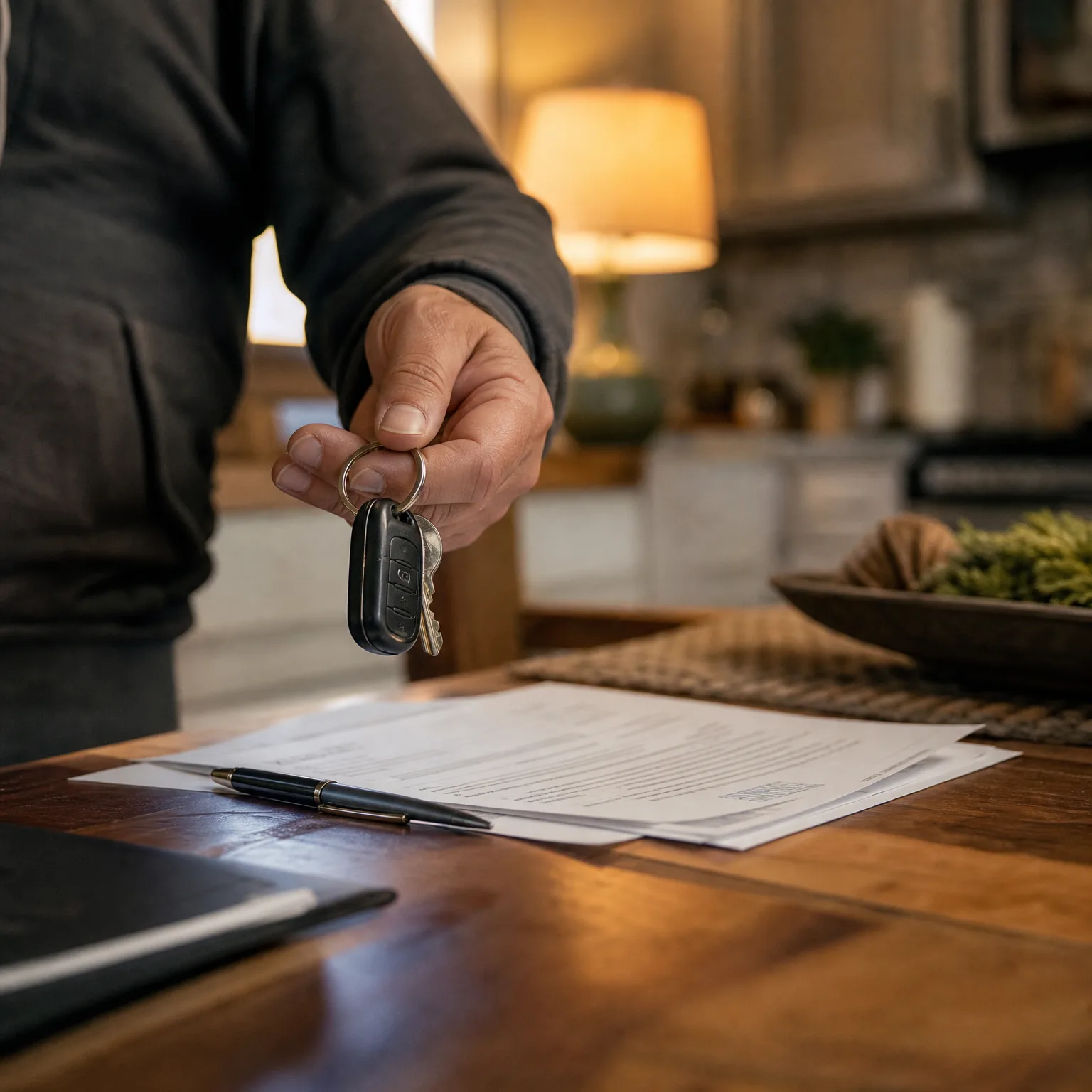
Texas courts mandate ignition interlock devices for alcohol-related suspensions and for most DWI-based ODL petitions. Installation costs range from $70 to $150 depending on the provider and vehicle type. Monthly monitoring and calibration fees run $60 to $90 per month. Over a one-year ODL period, total IID costs typically reach $800 to $1,200.
The device must be installed before you submit your ODL petition to the court in most counties. The installation receipt serves as required documentation under the court's rules. Some counties allow you to petition first and install after approval, but most judges will not sign an order without proof that the device is already functional in your vehicle. Verify your county's specific sequencing rules before filing.
Monthly monitoring includes calibration appointments every 30 to 60 days. Missing a calibration appointment triggers a lockout mode where the vehicle will not start. The monitoring company reports missed appointments to DPS, and DPS can revoke the ODL for non-compliance with the court's interlock condition. Budget the monthly fee as a fixed cost for the entire duration of your ODL, not just the first few months. The device cannot be removed until the court lifts the restriction or you complete full license reinstatement.


Premium Increase: What SR-22 Filing Does to Your Auto Insurance Rate
The SR-22 certificate itself costs $25 to $50 to file, but the premium increase from the underlying DWI conviction is the larger financial impact. Post-DWI drivers in Texas typically pay $140 to $250 per month for minimum liability coverage with an SR-22 filing, compared to $85 to $120 per month for drivers with clean records. The increase reflects the DWI conviction on your driving record, not the SR-22 filing itself.
Carriers writing SR-22 policies in Texas after a DWI include GAINSCO, Dairyland, Bristol West, The General, Direct Auto, Progressive, Geico, and Infinity. Non-standard carriers like GAINSCO and Dairyland typically offer lower premiums for high-risk drivers than standard carriers, but not all counties have agent access to every carrier. Urban counties (Harris, Dallas, Tarrant, Bexar, Travis) have the widest carrier availability. Rural counties may require working with a broker to access non-standard markets.
If you do not currently own a vehicle, you need a non-owner SR-22 policy. Non-owner policies provide liability coverage when you drive a vehicle you do not own, and they satisfy the SR-22 filing requirement for ODL issuance. Non-owner SR-22 premiums in Texas range from $40 to $80 per month depending on the carrier and your county. USAA, Geico, Progressive, Dairyland, and The General all write non-owner SR-22 policies in Texas. The non-owner policy must remain active for the full 2-year SR-22 filing period even if you later purchase a vehicle and switch to an owned-vehicle policy.
Total Upfront Cost Before You Start Driving
Add the county court filing fee ($200 to $280 depending on county), the SR-22 filing fee ($25 to $50), ignition interlock installation ($70 to $150), the first month of IID monitoring ($60 to $90), the first month of SR-22 insurance premium ($140 to $250 for owned vehicle, $40 to $80 for non-owner), and the $125 DPS license issuance fee. Total upfront cost before the court grants your petition and DPS issues the license: $620 to $1,025 for non-owner SR-22 scenarios, $1,015 to $1,795 for owned-vehicle scenarios.
This does not include attorney fees if you hire representation to draft and file the petition. Attorney fees for ODL petitions in Texas range from $500 to $1,500 depending on the complexity of your case and whether the court requires a hearing. Some counties allow pro se (self-filed) petitions using court-provided forms. Harris County, Dallas County, and Travis County publish ODL petition forms on their district court websites. Rural counties may require attorney representation because standardized forms are not available.
Ongoing monthly costs after the ODL is issued: $60 to $90 for IID monitoring, $140 to $250 for owned-vehicle SR-22 insurance (or $40 to $80 for non-owner SR-22 insurance). Over a 12-month ODL period, total cost including upfront fees typically reaches $3,500 to $5,500 for owned vehicles, $2,200 to $3,200 for non-owner scenarios. These figures assume no violations, no missed IID calibration appointments, and no SR-22 lapses. Any compliance failure restarts the court petition process and adds another round of filing fees.

Drive Legally on Your Restricted License
Get My Hardship-License SR-22 Quote
County-Specific Filing Fee Variations and Where to Find the Exact Amount
Because the ODL petition is filed with the county or district court rather than with DPS, filing fees are set by each county's local rules and fee schedules. The Texas Office of Court Administration does not publish a unified statewide ODL filing fee. You must contact the district clerk's office in the county where you reside to confirm the current fee before filing.
Harris County District Clerk's office lists civil filing fees on their website under "Fee Schedule – Civil Filings." ODL petitions fall under the miscellaneous civil petition category. As of current Harris County rules, the fee is approximately $280. Travis County lists fees on the Travis County District Clerk site under "Court Fees." The ODL petition fee in Travis County is approximately $250. Dallas County fees are published on the Dallas County District Clerk website. Smaller counties often require calling the clerk's office directly because fee schedules are not posted online.
Some counties waive filing fees for indigent petitioners who submit a Statement of Inability to Afford Payment of Court Costs (also called a pauper's affidavit). The court reviews proof of income, household expenses, and public assistance enrollment. Approval is not automatic. If the court denies the waiver, you must pay the full filing fee before the petition is processed. The waiver does not extend to SR-22 insurance premiums, IID costs, or the DPS license issuance fee.
What Happens If You Cannot Afford the Full Cost Stack
If you cannot afford the upfront cost, you cannot obtain the ODL. Texas courts do not offer payment plans for the filing fee, and DPS does not issue the license until all required documentation and fees are submitted. The SR-22 certificate requires an active insurance policy, which means the first month's premium must be paid before the carrier will file the certificate with DPS. The ignition interlock device requires installation payment upfront in most cases, though some IID providers offer financing with a down payment of $50 to $100 and monthly installments.
Some counties allow you to file the petition, attend the hearing, and receive the court order before installing the IID or obtaining the SR-22. This splits the cost burden: you pay the court filing fee first, then pay for SR-22 insurance and IID installation after the court approves your petition. Confirm your county's sequencing rules with the district clerk before filing. If the court requires proof of IID installation and SR-22 filing at the time of the hearing, you must pay all costs upfront or the petition will be denied.
Failing to budget for the $125 DPS issuance fee is the most common petitioner mistake. You receive the court order, install the IID, file the SR-22, and arrive at the DPS office only to discover you need $125 in addition to the documents. DPS does not accept payment plans. The fee must be paid in full at the time of issuance. Without the $125, DPS will not issue the ODL even if the court order and SR-22 are valid.
How Long the SR-22 Filing Period Lasts After DWI and What It Costs Over Time
Texas requires SR-22 filing for 2 years from the date of license reinstatement after a DWI conviction under Texas Transportation Code §601.153. The 2-year period begins when DPS issues the ODL, not when the court approves the petition. If your ODL is valid for 1 year and you then complete full reinstatement, the SR-22 filing requirement continues for 2 years total from the ODL issuance date.
Over the 2-year filing period, total SR-22 insurance premiums range from $3,360 to $6,000 for owned-vehicle policies ($140 to $250/month × 24 months) or $960 to $1,920 for non-owner policies ($40 to $80/month × 24 months). Add the initial $25 to $50 SR-22 filing fee. Some carriers charge an annual renewal fee of $15 to $25 to maintain the SR-22 certificate active. Total SR-22 cost over 2 years: $3,400 to $6,100 for owned vehicles, $1,000 to $2,000 for non-owner scenarios.
If the SR-22 certificate lapses at any point during the 2-year period, DPS suspends your driving privileges immediately and the 2-year clock resets from the date you refile a new SR-22 and reinstate. A lapse of even one day triggers the reset. Carriers cancel SR-22 policies for non-payment exactly like standard policies. Set up automatic payment to avoid accidental lapses. Switching carriers mid-filing-period is allowed, but the new carrier must file a new SR-22 with DPS before the old carrier cancels the original certificate. The gap between cancellation and new filing cannot exceed zero days.
Frequently Asked Questions
Does Texas charge a separate fee for the ODL application and the license itself?
Yes. The county court charges a filing fee to process your ODL petition, which varies by county and typically ranges from $200 to $280. After the court approves your petition, DPS charges a separate $125 license issuance fee when you present the court order, SR-22 certificate, and ignition interlock documentation. Both fees are required and neither is refundable.
Can I get an ODL in Texas without installing an ignition interlock device?
Ignition interlock is mandatory for alcohol-related suspensions and for most DWI-based ODL petitions in Texas. Courts have discretion to waive the IID requirement in cases not involving alcohol, but DWI convictions almost always trigger the IID condition. If your suspension is DWI-related, expect the court to require ignition interlock as a condition of granting the ODL.
What happens if my SR-22 insurance lapses while I have an ODL?
DPS suspends your ODL immediately if the SR-22 certificate lapses for any reason. The insurance carrier notifies DPS electronically when a policy cancels or lapses. You must refile a new SR-22 with a new carrier and petition the court again for a new ODL order. The 2-year SR-22 filing period resets from the date the new certificate is filed.
Do all Texas counties charge the same ODL filing fee?
No. ODL petitions are filed with county or district courts, and each county sets its own civil filing fees under local rules. Harris County charges approximately $280, Travis County approximately $250, and smaller rural counties may charge under $200. Contact the district clerk's office in your county to confirm the current fee before filing.
How much does ignition interlock cost over a full year of ODL driving?
Installation costs $70 to $150 upfront. Monthly monitoring and calibration fees run $60 to $90 per month. Over 12 months, total IID costs range from $790 to $1,230 depending on the provider and your vehicle type. The device cannot be removed until the court lifts the restriction or you complete full license reinstatement.
Can I use a payment plan for the DPS license issuance fee?
No. DPS requires the $125 license issuance fee in full at the time you present your court order, SR-22 certificate, and ignition interlock documentation. DPS does not offer payment plans or deferrals. Without the full $125 payment, the license will not be issued even if all other documents are valid.
Is the SR-22 filing fee the same as the premium increase?
No. The SR-22 filing fee is a one-time $25 to $50 charge your insurance carrier adds to file the certificate with DPS. The premium increase is the monthly cost difference between a clean-record policy and a post-DWI policy, which typically adds $55 to $130 per month to your rate. The filing fee is minor; the premium increase is the larger long-term cost.
Related Articles
Texas DWI Occupational License Costs: Full Breakdown
5/16/2026

Texas DWI ODL and SR-22 Combined Cost
5/29/2026
Felony vs Misdemeanor DWI ODL Cost in Texas
5/16/2026

Texas Occupational License After DWI: Court Petition Guide
5/16/2026
Texas Occupational License After DWI: Court Petition Guide
5/17/2026
TX Occupational License vs Full Reinstatement Cost
5/16/2026