
Court Documents Required for NC Limited Driving Privilege After DWI
Get My Hardship-License SR-22 QuoteWhat Documents Must Accompany the Petition for Limited Driving Privilege
North Carolina requires a formal petition to the court, proof of valid liability insurance or SR-22 filing, proof of enrollment in DWI Assessment and substance abuse treatment, proof of ignition interlock installation when required, and verification that all court fees have been paid. The petition itself is a sworn legal document that must follow North Carolina General Statutes § 20-179.3 format requirements. You cannot file the petition until you have the supporting documents assembled.
The 45-day mandatory hard suspension begins on the conviction date. You cannot apply for an LDP until that 45-day window closes. Most judges will not schedule a hearing until day 46 or later, which means the document preparation window starts before you are eligible to file. If your BAC was 0.15 or higher, or if this is a second or subsequent DWI, the ignition interlock device must be installed in your vehicle before the petition hearing. The judge will ask for the installation receipt at the hearing.
Proof of enrollment in substance abuse treatment means a dated letter from an approved provider stating that you have registered for and begun attending sessions. Completion is not required before the LDP hearing, but enrollment is. North Carolina mandates completion of an ADET substance abuse assessment before reinstatement, and judges expect evidence that you have started the process before granting limited driving privileges. A treatment provider's enrollment letter typically includes the assessment date, the next scheduled session, and confirmation that you are in compliance with the recommended treatment plan.
SR-22 Filing Proof and How to Present It to the Court
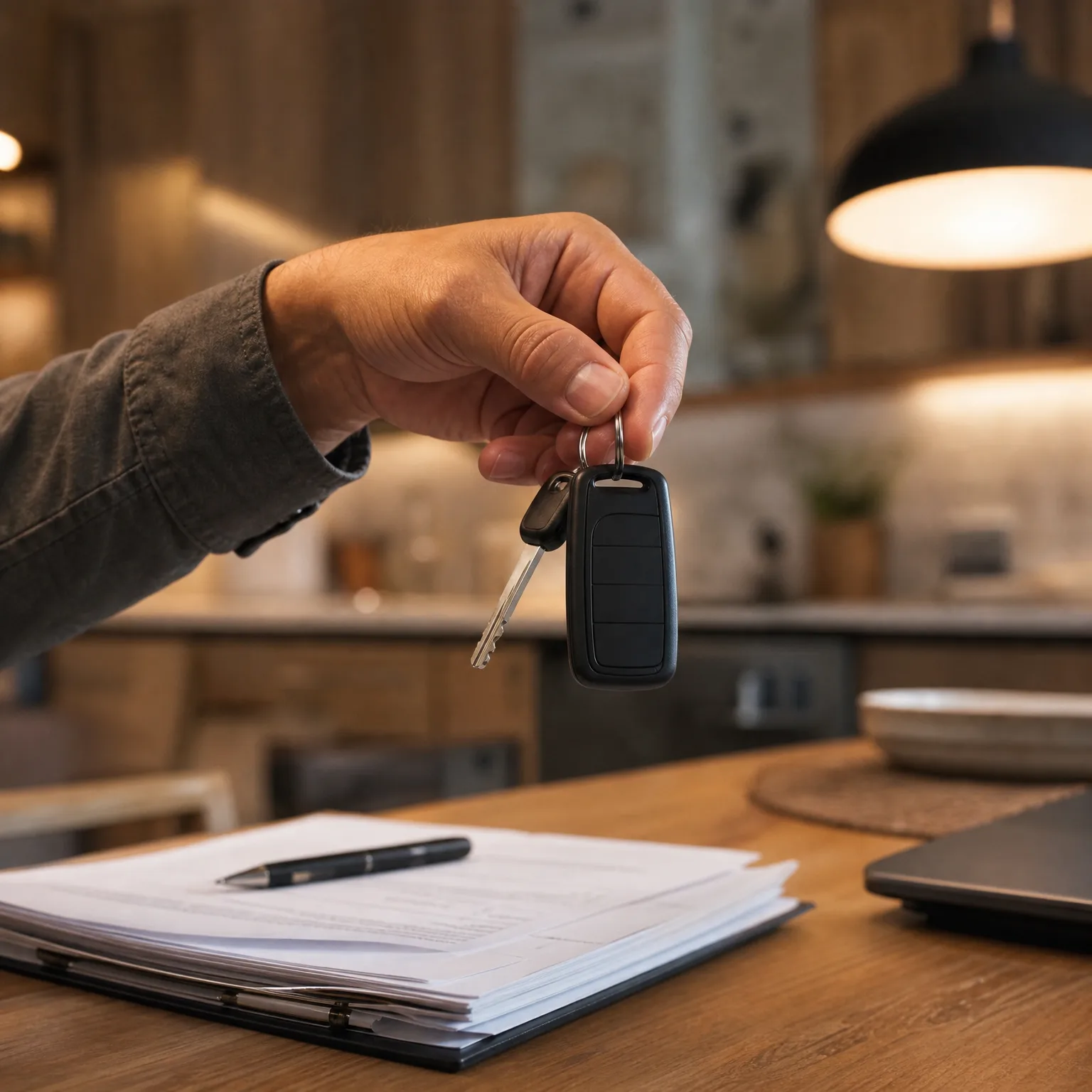
The court requires proof of financial responsibility before issuing an LDP. For most DWI cases, this means an SR-22 certificate filed with the North Carolina Division of Motor Vehicles. The SR-22 must be active at the time of the petition hearing. You cannot submit an SR-22 application receipt and hope it clears before the judge rules.
Carriers file SR-22 certificates electronically with NCDMV, usually within 24 to 48 hours after you purchase a policy. The proof you bring to court is a copy of the SR-22 certificate itself, showing your name, policy number, coverage limits, effective date, and the carrier's NAIC number. Most carriers email this certificate as a PDF after filing. Print two copies: one for the court clerk and one for your own records.
North Carolina minimum liability limits are $50,000 per person for bodily injury, $100,000 per accident, and $50,000 for property damage. Your SR-22 policy must meet or exceed these minimums. If you do not own a vehicle, you need a non-owner SR-22 policy. Non-owner policies provide liability coverage when you drive a borrowed or rented vehicle and satisfy the court's financial responsibility requirement. The SR-22 filing fee is typically $15 to $25, separate from the premium. Your premium will increase substantially after a DWI, typically $140 to $220 per month for full coverage or $60 to $95 per month for non-owner coverage.

Ignition Interlock Installation Receipt and Compliance Log
If your BAC was 0.15 or higher, or if this is a second or subsequent DWI, North Carolina law requires ignition interlock installation as a condition of the LDP. The device must be installed before the petition hearing. The court will not grant an LDP without proof of installation.
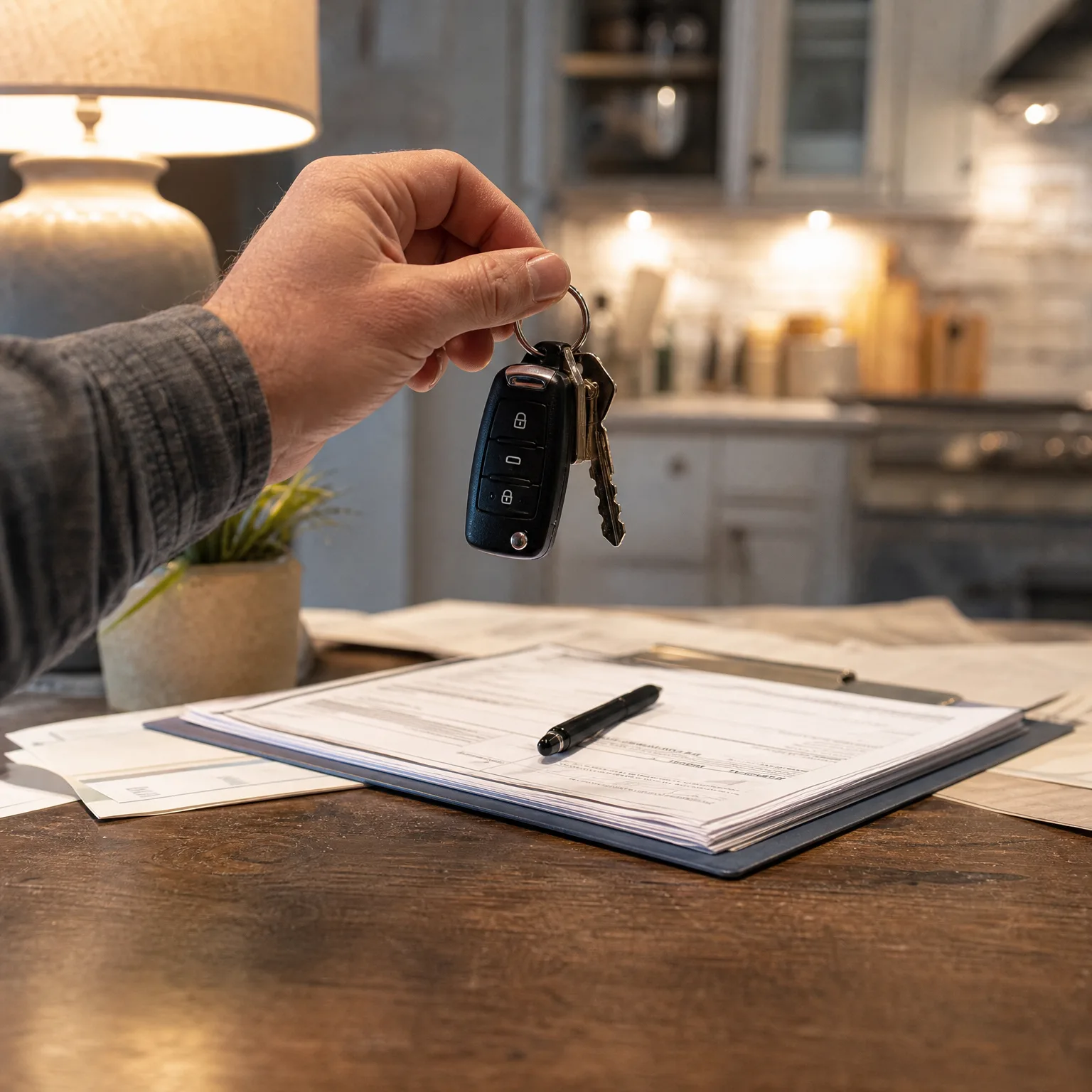
The installation receipt must come from a North Carolina-approved ignition interlock vendor. The receipt shows the installation date, device serial number, vehicle VIN, and calibration schedule. Most vendors provide a stamped installation certificate at the time of service. Installation costs typically range from $75 to $150, with monthly monitoring fees of $60 to $90. The device requires calibration every 30 to 60 days, and missed calibration appointments trigger a compliance violation that can result in LDP revocation.
Judges often ask to see the first compliance log at the hearing. This log shows that the device is functioning, that you have not recorded any failed breath tests, and that you understand how to operate it. If you installed the device within seven days of the hearing, bring the installation receipt and explain that the first log will be available at the next calibration appointment. Do not attempt to schedule your LDP hearing before the device is installed.
Proof That All Court Fees and Fines Have Been Paid
The court will not schedule an LDP hearing if you have outstanding fines, fees, or court costs from the underlying DWI conviction. North Carolina requires full payment before the petition can be heard. This includes the criminal fine, court costs, probation fees, and any restitution ordered by the judge.
You can verify payment status by contacting the clerk of court in the county where you were convicted. Request a payment receipt or a letter confirming that all financial obligations have been satisfied. Bring this documentation to the LDP hearing. If you are on a payment plan, the court may grant an LDP if you are current on scheduled payments, but this is discretionary. Most judges require full payment.
The LDP application itself carries a court filing fee, typically $100 to $200 depending on the county. This fee is separate from the DWI conviction fines and must be paid at the time you file the petition. The clerk's office can provide the exact fee schedule. Budget for the filing fee in addition to SR-22 costs, ignition interlock installation, and treatment program fees.

Drive Legally on Your Restricted License
Get My Hardship-License SR-22 Quote
DWI Assessment and Treatment Enrollment Documentation
North Carolina General Statutes require completion of an ADET substance abuse assessment before full license reinstatement after a DWI. Judges issuing LDPs expect proof that you have begun this process. The assessment itself is conducted by a state-approved provider and includes a clinical evaluation, a review of your driving and criminal history, and a recommendation for treatment.
Enrollment documentation means a letter from the treatment provider stating that you have completed the assessment, that you have been assigned to a treatment track, and that you are attending sessions as required. The letter should be dated within 30 days of the LDP hearing and should be printed on the provider's letterhead. If the assessment resulted in no treatment requirement, the provider's letter should state that you have completed the assessment and been cleared.
Treatment programs typically meet once or twice per week for 10 to 20 weeks, depending on the assessment outcome. The cost ranges from $250 to $600 for the full program. Missing two consecutive sessions can trigger a compliance violation that will be reported to the court and may result in LDP revocation. Bring proof of enrollment to the hearing, not proof of completion. The court wants to see that you have started, not that you have finished.
Employment Verification Letter and Approved Route Documentation
The LDP is not a general driving privilege. North Carolina judges limit LDP use to specific purposes: travel between home, work, school, religious activities, medical appointments, and court-ordered treatment. You must document each approved purpose with supporting evidence.
Employment verification requires a letter from your employer on company letterhead, signed by a supervisor or HR representative, stating your job title, work address, scheduled work days and hours, and confirmation that you need to drive to perform your job duties. If your job requires driving during work hours, the letter should state that explicitly. If you work multiple jobs, bring a letter from each employer.
The petition must include a proposed driving route and schedule. This means a written description of your daily travel: home address to work address, work address to treatment program address, treatment program address to home. Include the days of the week and times you need to drive each route. Judges deny petitions when the proposed routes are vague or when the schedule suggests personal convenience rather than genuine need. Be specific. Generic statements like "driving for work purposes" are insufficient.
What Happens If Documentation Is Incomplete at the Hearing
The court will deny the petition or continue the hearing to a later date. Continued hearings delay your ability to drive legally and extend the period during which you have no privilege. Judges do not waive documentation requirements.
If you appear at the hearing without SR-22 proof, the judge will instruct you to obtain it and return on a rescheduled date. If you appear without ignition interlock installation proof when it is required, the petition will be denied outright. If you appear without treatment enrollment proof, the judge may continue the hearing for 30 days to allow you to complete the assessment and begin sessions. Each continuance adds weeks to your hard suspension period.
Most counties require that you file the petition and all supporting documents with the clerk of court at least 10 days before the scheduled hearing. The petition packet is reviewed by the district attorney's office, which can object to the LDP if the documentation is deficient. Filing early allows time to correct deficiencies before the hearing date. Do not wait until the day of the hearing to assemble your documents.
Frequently Asked Questions
Can I file the LDP petition before the 45-day hard suspension ends in North Carolina?
You can prepare the petition and assemble documents before day 45, but the court will not schedule a hearing until the mandatory 45-day period has expired. Most judges schedule hearings for day 50 or later to ensure the statutory waiting period is complete. Filing early allows the clerk's office to review your petition and supporting documents for completeness before the hearing date.
Does North Carolina accept out-of-state SR-22 filings for LDP purposes?
No. The SR-22 must be filed with the North Carolina Division of Motor Vehicles by a carrier licensed to write policies in North Carolina. If you hold an out-of-state policy, you will need to obtain a North Carolina SR-22 policy before the LDP hearing. The court requires proof that the SR-22 is active and on file with NCDMV at the time of the petition.
What happens if I miss an ignition interlock calibration appointment after the LDP is granted?
Missed calibration appointments are reported to the court and to NCDMV as compliance violations. The court can revoke the LDP immediately. Most judges issue a show-cause order requiring you to appear in court and explain the missed appointment. If you cannot provide a valid reason, the LDP will be revoked and you will return to hard suspension status until full reinstatement eligibility.
Can I use a family member's employment letter if I work for their business?
Yes, but the letter must be on business letterhead, signed by the family member in their capacity as employer, and must include all required details: job title, work address, schedule, and a statement that driving is necessary for the job. Judges scrutinize family-business employment letters more closely than third-party employer letters, so documentation should be thorough and specific.
How long does the Limited Driving Privilege last in North Carolina after a DWI?
The LDP lasts for the duration of the underlying suspension period, typically one year for a first-offense DWI. The judge sets the LDP expiration date in the court order. The LDP does not automatically convert to a full license at the end of the suspension period. You must still complete reinstatement requirements, including paying the $65 reinstatement fee, completing ADET treatment, and maintaining SR-22 coverage for the full filing period.
Do I need a lawyer to file an LDP petition in North Carolina?
You are not required to have a lawyer, but most DWI attorneys include LDP petition preparation and hearing representation in their DWI defense fees. If you file the petition yourself, you are responsible for ensuring that all documentation meets statutory requirements and that the proposed driving schedule complies with judicial precedent in your county. Clerks cannot provide legal advice, and deficient petitions will be denied or continued.
Can I add new approved purposes to my LDP after the court hearing?
No. The LDP is limited to the purposes and routes approved by the judge at the hearing. If your work schedule changes or you need to add medical appointments, you must file a motion to modify the LDP and return to court for a hearing. Driving outside the approved purposes and hours is a Class 1 misdemeanor and will result in LDP revocation and additional criminal charges.
Related Articles
NC Limited Driving Privilege Hearing Prep After DWI
5/17/2026

NC Limited Driving Privilege After DWI: Court Process
5/17/2026
NC Limited Driving Privilege Cost After DWI
5/17/2026
NC DWI Limited Driving Privilege: 45-Day Wait Period
5/16/2026

NC Limited Driving Privilege After DWI
5/29/2026
NC Level 1 vs Level 5 DWI: LDP Eligibility Differences
5/17/2026