Alabama Second DUI Hardship License: Court Petition Rules
Get My Hardship-License SR-22 QuoteDoes Alabama Allow Hardship Licenses After a Second DUI Within 5 Years?
Alabama allows restricted licenses after a second DUI within five years, but only through circuit court petition. ALEA (Alabama Law Enforcement Agency) cannot grant hardship privileges administratively for repeat DUI offenders. You must file a petition in the circuit court of the county where you were convicted, present evidence of hardship, and obtain judicial approval before any restricted driving begins.
The state requires a mandatory hard suspension period before you can petition. For a second DUI within five years, the hard suspension period is typically 60 to 90 days depending on conviction date and prior offense timing, though individual circuit courts may impose longer waiting periods before accepting petitions. During the hard suspension, no driving is permitted under any circumstances.
Ignition interlock installation is mandatory for any restricted license granted after a second DUI. Alabama Code § 32-5A-191 requires IID installation before the restricted license becomes valid. The interlock requirement runs for the duration of the restricted license period and continues into full reinstatement, typically totaling 2 to 4 years depending on court order and conviction details.
What the Circuit Court Petition Process Actually Requires
The petition must be filed in the circuit court of the county where the DUI conviction occurred. Alabama does not provide a standardized hardship petition form. Most counties require a written motion drafted by the petitioner or their attorney, stating the hardship basis and requested scope of restricted driving.
Required documentation includes proof of employment (employer affidavit on letterhead specifying job location, work hours, and necessity of driving), proof of SR-22 insurance filing, proof of ignition interlock installation or installation appointment confirmation, proof of DUI program enrollment or completion if court-ordered, and payment of court filing fees (typically $150 to $300 depending on county). The court schedules a hearing, typically 30 to 60 days after petition filing.
At the hearing, the judge evaluates the hardship claim, reviews driving history, and determines whether restricted driving serves public safety. Judges have wide discretion. Approval is not automatic. Denial is common when the petitioner cannot demonstrate employment necessity, has outstanding court costs or fines, or presents a history of noncompliance with prior court orders or DUI program requirements.
If the petition is granted, the court issues an order specifying the exact times and routes permitted. The order is delivered to ALEA, which then issues the physical restricted license. Processing time after court approval is typically 7 to 14 business days. The restricted license remains valid only for the purposes, routes, and hours stated in the court order. Driving outside those boundaries voids the restricted license and can trigger new criminal charges.
Ignition Interlock Installation and SR-22 Filing Requirements
Ignition interlock installation must occur before the restricted license is issued. Alabama requires certification from an ALEA-approved IID vendor. Installation costs range from $75 to $150, with monthly lease and monitoring fees of $70 to $100. You pay these costs directly to the vendor. Failure to maintain the device, tampering, or missed calibration appointments triggers automatic restricted license suspension.
SR-22 filing is required for all DUI-related restricted licenses. The SR-22 is a certificate of financial responsibility filed by your insurer with ALEA. Alabama requires SR-22 filing for 3 years following DUI conviction. The filing fee is typically $15 to $50, charged by the insurer. Your auto insurance premium will increase substantially. Monthly premiums for drivers with two DUIs within five years typically range from $190 to $340 per month in Alabama, depending on age, county, vehicle, and coverage limits.
If you do not own a vehicle, you must obtain non-owner SR-22 insurance. Non-owner policies provide liability coverage when driving a vehicle you do not own. Monthly premiums for non-owner SR-22 policies after a second DUI typically range from $85 to $160 in Alabama. The non-owner SR-22 satisfies the state filing requirement and allows you to apply for a restricted license even without vehicle ownership.
Approved Purposes and Route Restrictions Under Alabama Court Orders
Alabama circuit courts typically limit restricted licenses to employment, education, medical treatment, and court-ordered obligations such as DUI program attendance or ignition interlock service appointments. The court order specifies exact purposes. Judges rarely approve broad discretionary driving such as grocery shopping or childcare unless documented as employment-related or medical necessity.
Route restrictions are common. The court order may specify exact addresses and times. For example, a restricted license may authorize driving from home at 123 Main Street to workplace at 456 Industry Road, Monday through Friday, 7:00 AM to 7:30 AM and 5:00 PM to 5:30 PM only. Deviation from the stated route or time window is a violation.
Violating the terms of a restricted license results in immediate suspension of the restricted privilege, new criminal charges for driving on a suspended or revoked license, extension of the original DUI suspension period, and possible denial of future hardship petitions. Alabama does not issue warnings. Law enforcement officers can verify restricted license terms through ALEA systems during traffic stops. If the stop occurs outside your authorized window, the officer will confiscate the license on the spot.
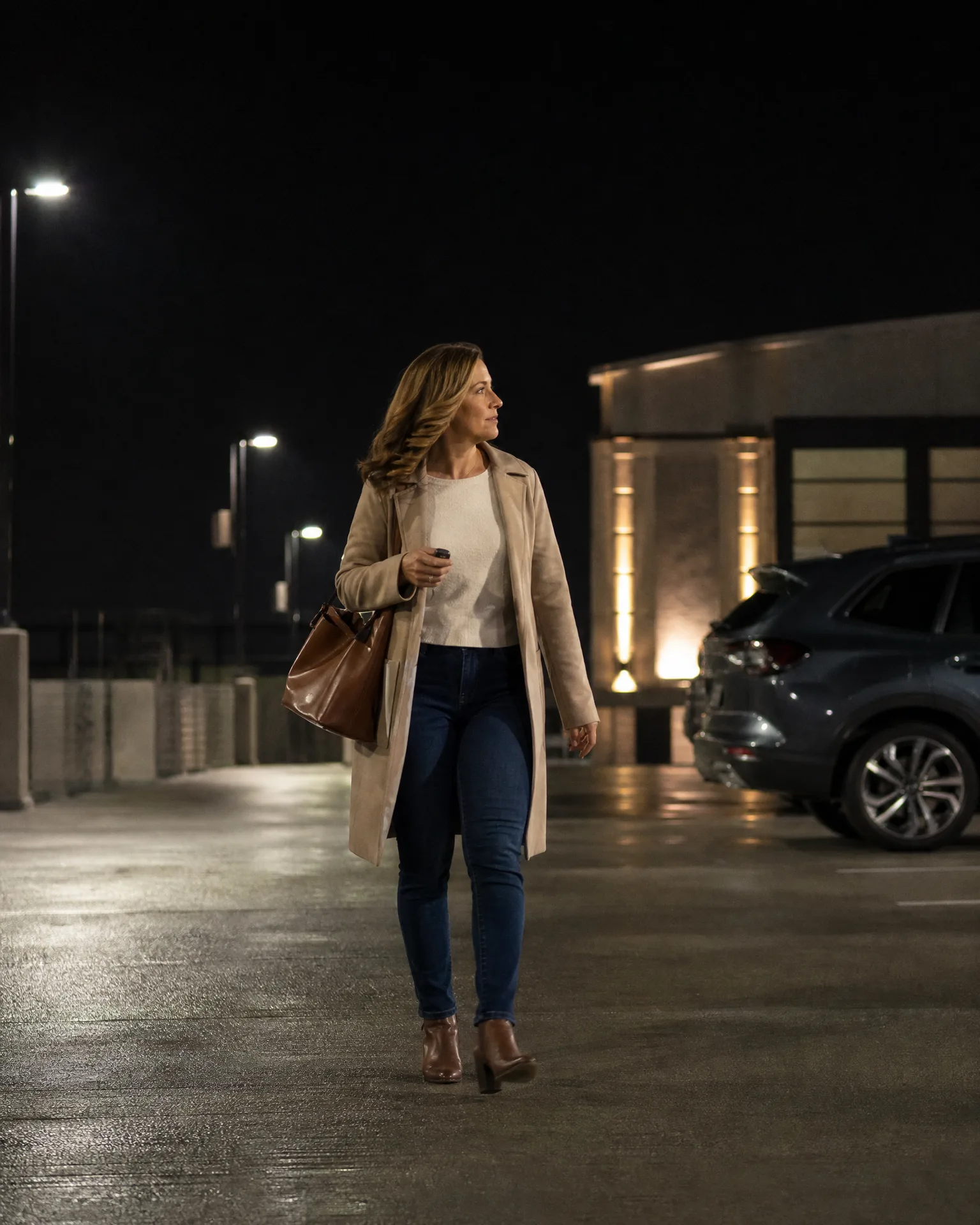
Drive Legally on Your Restricted License
Get My Hardship-License SR-22 Quote
Why Judicial Discretion Makes Outcomes Inconsistent Across Counties
Alabama's restricted license process for second DUI offenders is court-dependent rather than administratively uniform. Individual circuit court judges control approval, scope, and conditions. This creates inconsistent outcomes. Jefferson County judges may approve petitions routinely when employment and IID proof are provided. Mobile County judges may deny most petitions absent extraordinary hardship such as sole-earner status with dependents.
The lack of standardized forms and petition criteria means outcomes depend on petition quality, attorney representation, and individual judge philosophy. Petitioners without attorney representation face higher denial rates because pro se petitions often lack required evidentiary support or fail to frame hardship in terms courts recognize as compelling.
ALEA cannot override a court denial. If your petition is denied, you must wait until the full suspension period expires before applying for full license reinstatement. There is no administrative appeal to ALEA. Your only recourse is to file a new petition with additional evidence or wait for reinstatement eligibility.

Cost Breakdown for Restricted License After Second Alabama DUI
Court filing fees for the hardship petition range from $150 to $300 depending on county. Ignition interlock installation costs $75 to $150 upfront, with monthly monitoring and calibration fees of $70 to $100 over the restricted license period. SR-22 filing fee is $15 to $50 charged by the insurer. Alabama reinstatement fee is $275 when the full suspension period ends, plus a $200 DUI-specific reinstatement surcharge.
Insurance premium increases are the largest ongoing cost. Monthly premiums after a second DUI within five years range from $190 to $340 per month in Alabama for drivers with standard vehicle coverage. Over a 3-year SR-22 filing period, total insurance cost is approximately $6,840 to $12,240. Non-owner SR-22 policies cost $85 to $160 per month, totaling $3,060 to $5,760 over three years.
Total cost over the restricted license period and reinstatement typically ranges from $8,000 to $14,000, including court fees, IID costs, SR-22 filing, insurance premiums, reinstatement fees, and any required DUI program fees. Estimates based on available industry data; individual costs vary by county, court order terms, vehicle type, and insurer.
What Happens If You Miss IID Calibration or Let SR-22 Lapse
Missing a required ignition interlock calibration appointment triggers automatic restricted license suspension in Alabama. ALEA receives electronic notification from the IID vendor. The restricted license is suspended immediately without prior notice. You must schedule a makeup calibration, pay any vendor penalties, and petition ALEA or the court for reinstatement of the restricted privilege. The process can take 14 to 30 days.
Allowing SR-22 insurance to lapse cancels the restricted license immediately. Insurers notify ALEA electronically when a policy is canceled or lapses. ALEA suspends the restricted license the same day. Reinstatement requires obtaining new SR-22 coverage, paying a reinstatement fee, and re-petitioning the court in some counties. The lapse extends your overall suspension period and may disqualify you from future hardship petitions.
Both IID noncompliance and SR-22 lapse are treated as willful violations of court orders. Judges view these failures as evidence of disregard for the restricted license privilege. If you later petition for reinstatement or a new restricted license after a violation-triggered suspension, expect denial unless you can demonstrate sustained compliance over several months.
Frequently Asked Questions
Can I get a hardship license in Alabama immediately after a second DUI arrest?
No. Alabama requires a mandatory hard suspension period of 60 to 90 days before you can petition the circuit court for a restricted license after a second DUI within five years. During the hard suspension, no driving is permitted under any circumstances, and ALEA will not issue a restricted license until the hard period expires and the court approves your petition.
Does Alabama require ignition interlock for a restricted license after a second DUI?
Yes. Alabama Code § 32-5A-191 requires ignition interlock installation before any restricted license is issued after a second DUI. The IID must be installed by an ALEA-approved vendor, and you must maintain the device with monthly calibration appointments for the duration of the restricted license period and typically into full reinstatement.
What happens if my Alabama hardship petition is denied by the circuit court?
If the circuit court denies your petition, you cannot obtain a restricted license through ALEA administratively. Your only options are to file a new petition with additional evidence or wait until the full suspension period expires to apply for full license reinstatement. ALEA cannot override a court denial.
How much does SR-22 insurance cost in Alabama after a second DUI?
Monthly premiums for drivers with two DUIs within five years typically range from $190 to $340 per month in Alabama for standard vehicle coverage. Non-owner SR-22 policies cost $85 to $160 per month. Over the 3-year SR-22 filing period, total insurance cost is approximately $6,840 to $12,240 for vehicle coverage or $3,060 to $5,760 for non-owner policies.
Can I drive to the grocery store or pick up my kids on an Alabama restricted license?
Only if the circuit court order specifically authorizes those purposes and routes. Alabama judges typically limit restricted licenses to employment, education, medical treatment, and court-ordered obligations. Childcare or grocery shopping is rarely approved unless documented as employment-related or medical necessity. Driving outside the court-approved purposes and hours is a criminal violation.
What if I miss an ignition interlock calibration appointment in Alabama?
Missing a required IID calibration triggers automatic restricted license suspension. The IID vendor notifies ALEA electronically, and your restricted license is suspended immediately without prior notice. You must schedule a makeup calibration, pay vendor penalties, and petition ALEA or the court for reinstatement, which can take 14 to 30 days.
Do I need a lawyer to petition for a hardship license after a second Alabama DUI?
Alabama does not require attorney representation, but pro se petitions face higher denial rates. Judges expect specific evidentiary support and legal framing. An attorney familiar with local circuit court practices increases approval probability, particularly in counties where judges deny most hardship petitions absent extraordinary circumstances.
Related Articles
Hardship License After First DUI in Alabama: Court Rules
5/17/2026
Hardship License After First DUI | Alabama
5/27/2026
Alabama Hardship License Costs After DUI (Court + IID)
5/17/2026
Alabama IID Requirement Before Hardship License After DUI
5/17/2026
Alaska Limited License After 2nd DUI: Who Qualifies
5/17/2026

Arkansas Second DUI Hardship License Eligibility Rules
5/16/2026