
Cheapest Hardship License Insurance After DUI — Ohio
Get My Hardship-License SR-22 QuoteOhio OVI Triggers Three Separate Cost Layers Before You Can Drive
Your Ohio OVI conviction just triggered a license suspension, and you've learned the court can grant Limited Driving Privileges after 15 days. What the court petition paperwork doesn't explain: three separate cost layers hit before you can legally drive under LDP. The ignition interlock device install ($75–$150) and monthly rental ($70–$100) are visible. The court filing fee ($50–$150, varies by county) is on the petition form. The SR-22 insurance filing—mandatory for all OVI-related LDP in Ohio per ORC 4510.022—is the cost layer most applicants miss until the insurance agent delivers the quote.
SR-22 isn't a separate insurance policy. It's a state-monitored filing attached to your auto insurance policy that proves continuous coverage for three years after an OVI conviction. The filing itself costs $25–$50, but the premium increase from moving into the high-risk tier runs $800–$1,400 per year for most Ohio OVI offenders. That's $2,400–$4,200 over the mandatory three-year filing period, stacked on top of ignition interlock costs that total $3,000–$4,200 for the same window.
“Non-owner SR-22 meets Ohio's LDP filing requirement at 30–40% lower annual cost than insuring a car you don't own.”

Drive Legally on Your Restricted License
Get My Hardship-License SR-22 Quote$800–$1,400/year
Ohio Post-OVI SR-22 Premium Add
The SR-22 filing fee is $25–$50, but being classified as high-risk after an OVI conviction raises the underlying auto insurance premium by this range for most Ohio drivers. This figure reflects the annual premium increase, not the one-time filing cost.
Carrier rate filings, Ohio Department of Insurance
The Court Grants LDP, The BMV Records It, But Neither Tells You Which SR-22 Type Costs Less
Ohio courts grant Limited Driving Privileges. The Ohio BMV does not issue LDP—it records the court order on your driving record and flags the SR-22 requirement. Neither entity explains that two SR-22 filing types exist, and one typically costs 30–40% less than the other for post-OVI applicants.
Owner SR-22 attaches to a vehicle you own and insure. Non-owner SR-22 covers liability when you drive a vehicle you don't own. If you sold your car after the OVI arrest, if your vehicle was impounded and you don't plan to recover it, or if you never owned a vehicle and were driving someone else's car when arrested, non-owner SR-22 is the correct filing type. Non-owner SR-22 premiums run $35–$80 per month in Ohio for post-OVI drivers. Owner SR-22 premiums (vehicle liability plus collision and comprehensive if financed) run $90–$180 per month for the same risk profile.
The cost gap exists because non-owner SR-22 policies carry state minimum liability only—$25,000 per person, $50,000 per accident, $25,000 property damage in Ohio—with no collision or comprehensive coverage. You're insuring your legal obligation to carry proof of financial responsibility, not a physical vehicle. Most post-OVI applicants who don't currently own a vehicle pay for owner SR-22 because the insurance agent defaults to vehicle coverage without asking whether the applicant still owns the car.
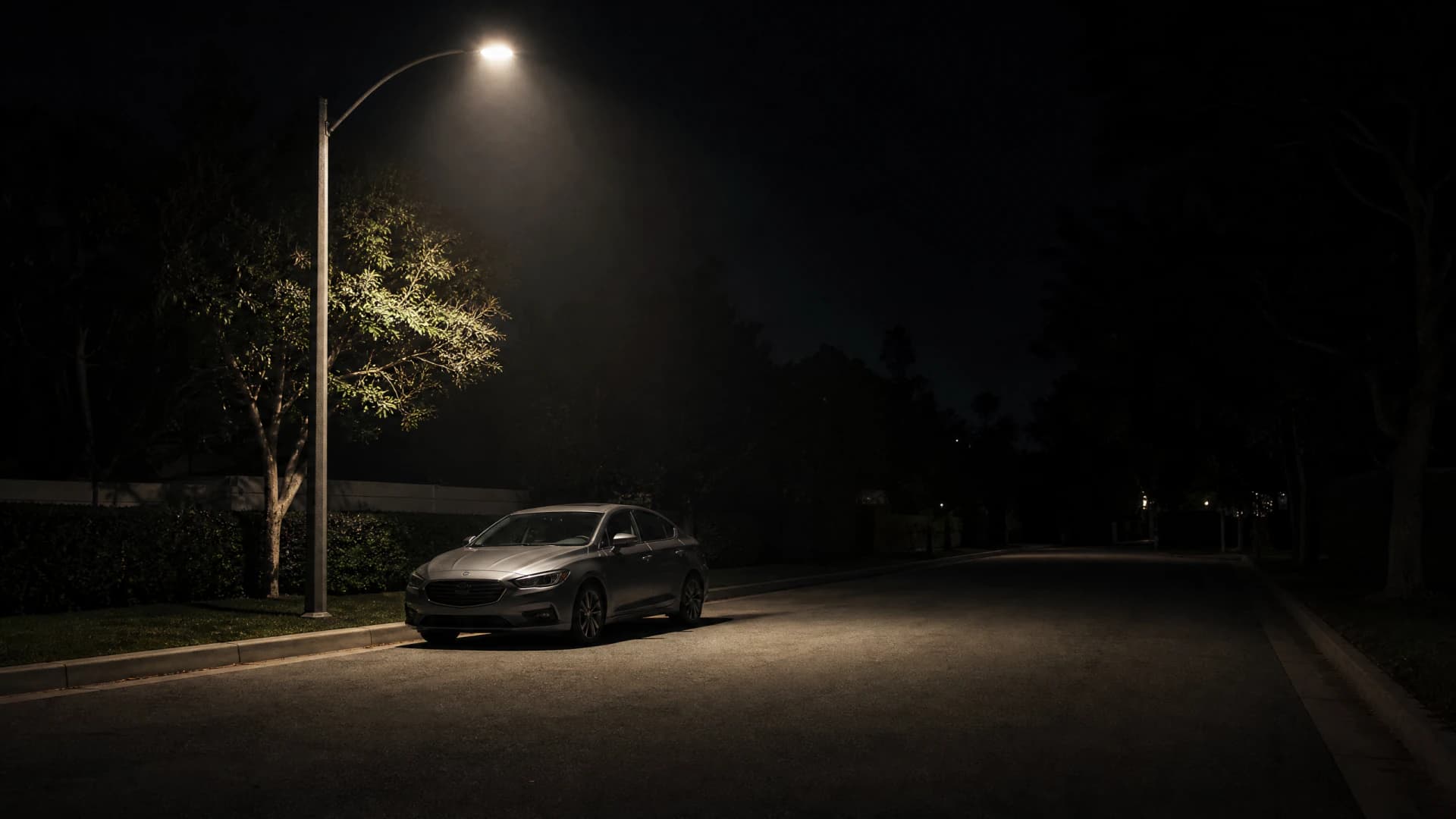
If you don't own a vehicle right now, non-owner SR-22 meets Ohio's LDP filing requirement at 30–40% lower annual cost than insuring a car you don't have.
Related Articles
Ohio OVI Limited Driving Privileges Cost Breakdown
5/16/2026

Ohio OVI Limited Driving Privileges Cost Breakdown
5/16/2026
Post-DUI Hardship Carriers Ohio
5/29/2026

Cheapest Hardship License Insurance After DUI IN
5/29/2026
Felony OVI Hardship License Ohio
5/29/2026

Felony OVI vs Misdemeanor in Ohio: LDP Cost Gap
5/17/2026

The 15-Day Hard Suspension Starts at Arrest for ALS, Not Conviction
Ohio imposes two separate OVI-related suspensions: the Administrative License Suspension triggered at arrest, and the court-imposed suspension following conviction. The 15-day hard suspension before LDP eligibility applies to the ALS, which begins the day the arresting officer confiscates your license. Most applicants assume the 15-day clock starts at conviction and file their LDP petition too early, resulting in dismissal.
If you refused the chemical test at arrest, the ALS hard suspension is 30 days, not 15. If this is a second OVI arrest within 10 years, the ALS hard suspension is 90 days. The court-imposed suspension following conviction runs separately and carries its own LDP petition process through the sentencing court, not the court of common pleas. If both suspensions are active, you need two separate LDP petitions: one for the ALS (filed with the court of common pleas in your county of residence after the hard period expires), one for the court suspension (filed with the sentencing court).
The SR-22 filing must be active before either LDP petition hearing. Carriers typically process SR-22 filings within 1–3 business days in Ohio, but the BMV takes 3–7 business days to reflect the filing on your driving record. If you appear at the LDP hearing without the SR-22 already recorded on your BMV abstract, the court denies the petition and you reapply after the filing shows. Budget the SR-22 filing window backward from your LDP hearing date, not forward from today.
3 years
Ohio SR-22 Filing Duration After OVI
Ohio requires SR-22 filing for three years after an OVI conviction, measured from the conviction date. The filing must remain continuous—if your insurance lapses for any reason during the three-year window, the BMV suspends your license again and the three-year clock resets from the new reinstatement date.
Ohio Revised Code 4509.45

Ignition Interlock Adds $3,000 to the Three-Year Cost Stack
Ohio mandates ignition interlock for all OVI-related Limited Driving Privileges per ORC 4510.022. The device must be installed by an Ohio Department of Public Safety-approved vendor before the court grants LDP. Installation runs $75–$150. Monthly monitoring and calibration fees run $70–$100. Over the typical 12-month IID requirement for first-offense OVI (longer for repeat offenses or high BAC), total interlock cost is $915–$1,350.
The interlock requirement is separate from the SR-22 requirement, but both must be active simultaneously during the LDP period. Some carriers increase SR-22 premiums an additional 10–15% when ignition interlock is mandated because the device signals higher underwriting risk. Not all carriers apply this surcharge—Progressive and Geico typically do not; State Farm and Allstate often do. If your quote includes an IID surcharge, ask the agent to clarify whether it's baked into the post-OVI premium or applied as a separate line item you can shop around.
Compare Four Carriers Before You Commit to the First Quote
The post-OVI SR-22 market in Ohio is fragmented. The carrier that writes your friend's SR-22 at $95/month might quote you $140/month for the same coverage because of a two-year age difference or a different zip code risk tier. Request quotes from Progressive, Geico, The General, and Dairyland (if non-owner) as your baseline four. If all four decline or quote above $150/month, expand to Bristol West, GAINSCO, and National General.
Provide the same information to each carrier: conviction date, BAC level if available, prior violations in the last five years, current vehicle (if owner SR-22) or confirmation you don't own a vehicle (if non-owner SR-22), and the court-scheduled LDP hearing date. Quotes vary by 20–40% between carriers for identical risk profiles. The lowest quote today might not be the lowest quote in six months when your policy renews—but you're locked into the three-year SR-22 filing period regardless, so starting with the lowest available premium reduces total cost over the compliance window.
Which Ohio Carriers Write Post-OVI SR-22 at the Lowest Tier
Progressive, Geico, and The General write both owner and non-owner SR-22 in Ohio and accept first-offense OVI applicants. Dairyland and GAINSCO specialize in non-owner SR-22 and often quote 10–20% below the standard-tier carriers for non-owner policies. Bristol West writes SR-22 in Ohio (state of domicile for the primary entity) and accepts repeat OVI offenders that other carriers decline. State Farm writes SR-22 in Ohio but typically prices post-OVI risk higher than Progressive or Geico for the same coverage.
The pricing spread exists because each carrier uses a different underwriting model for OVI risk. Some weight the BAC level heavily, others weight prior violations or accident history, others weight zip code and age more than the OVI itself. A 28-year-old first-offense OVI driver in Cleveland with no prior violations might receive the lowest quote from Progressive, while a 45-year-old second-offense OVI driver in Cincinnati receives the lowest quote from Bristol West. The only way to identify the lowest cost for your specific profile: request quotes from at least four carriers that write SR-22 after OVI in Ohio.
Get Your Free Quote
Get My Hardship-License SR-22 QuoteFrequently Asked Questions
Can I get Limited Driving Privileges immediately after an Ohio OVI arrest?
No. Ohio imposes a 15-day hard suspension for first-offense OVI Administrative License Suspension before you can petition for LDP. If you refused the chemical test, the hard suspension is 30 days. The clock starts the day the officer confiscates your license at arrest, not at conviction.
Does non-owner SR-22 meet Ohio's OVI insurance requirement for Limited Driving Privileges?
Yes. Non-owner SR-22 satisfies Ohio's proof of financial responsibility requirement for LDP if you don't currently own a vehicle. The policy covers state minimum liability ($25,000/$50,000/$25,000) and typically costs 30–40% less annually than owner SR-22 for post-OVI drivers.
How much does SR-22 insurance cost after an OVI in Ohio?
The SR-22 filing fee is $25–$50, but the post-OVI premium increase runs $800–$1,400 per year for most Ohio drivers. Non-owner SR-22 premiums are $35–$80/month; owner SR-22 premiums are $90–$180/month depending on vehicle, age, and zip code.
Which insurance carriers write SR-22 after OVI in Ohio?
Progressive, Geico, The General, Dairyland, GAINSCO, Bristol West, and National General all write SR-22 in Ohio and accept first-offense OVI applicants. Bristol West accepts repeat OVI offenders that other carriers decline. Quotes vary 20–40% between carriers for the same risk profile.
Do I need ignition interlock for Limited Driving Privileges in Ohio?
Yes. Ohio mandates ignition interlock for all OVI-related LDP per ORC 4510.022. The device must be installed by an approved vendor before the court grants privileges. Installation is $75–$150; monthly fees are $70–$100.
How long do I have to keep SR-22 insurance after an Ohio OVI?
Three years from the conviction date. If your insurance lapses at any point during the three-year window, the Ohio BMV suspends your license and the three-year filing period resets from the new reinstatement date.
Can I file for Limited Driving Privileges if I have multiple OVI convictions in Ohio?
It depends on timing and total count. Four or more OVI offenses within 10 years trigger a mandatory three-year hard suspension before LDP eligibility. Some felony OVI convictions eliminate LDP access entirely. First and second offenses are typically LDP-eligible after the hard suspension period expires.