
Hardship License and FR-44 After DUI — Colorado
Get My Hardship-License SR-22 QuoteColorado DUI License Suspension: Early Reinstatement vs Full Revocation
You received a DUI conviction in Colorado, your license is revoked for nine months under Express Consent administrative rules, and you need to keep driving to work. You searched for hardship license options and saw references to FR-44 filing requirements in other states, but Colorado's system works differently: the state calls it Early Reinstatement or Probationary License, it requires ignition interlock device installation from the start, and Colorado does not use FR-44 at all—you need SR-22 insurance filing, and that 3-year SR-22 clock starts running the moment your restricted license is issued, not after your interlock period ends.
Most drivers assume the interlock period and the SR-22 filing period run sequentially—finish interlock, then start SR-22. Colorado runs them concurrently. If you install an IID and obtain Early Reinstatement immediately, your SR-22 filing requirement is already counting down during the months you drive with the interlock. Miss this distinction and you will budget backward, delaying full reinstatement by years because you waited to file SR-22 until after the IID came out.
“Colorado runs SR-22 and IID concurrently—finish interlock with filing active, or you reset the 3-year clock and delay full reinstatement by years.”

Drive Legally on Your Restricted License
Get My Hardship-License SR-22 Quote$95
Colorado Reinstatement Fee
Colorado charges a flat $95 reinstatement fee for DUI-related revocations when you complete the Early Reinstatement program and transition to full license privileges. This fee is separate from the Early Reinstatement application cost, IID installation, and SR-22 filing fees.
Colorado DMV reinstatement fee schedule
What Colorado's Early Reinstatement Program Actually Covers
Colorado Revised Statutes § 42-2-132.5 authorizes Early Reinstatement for DUI offenders: you can apply for a restricted license immediately after revocation begins, even on a first offense, with no mandatory hard suspension period blocking you. The program requires proof of SR-22 insurance and ignition interlock device installation before the DMV will issue the probationary license.
The restricted license limits you to necessary driving only: home to work, home to school, medical appointments, court-ordered alcohol education programs, and ignition interlock service appointments. Specific routes or purposes are defined by the DMV at issuance. Driving outside approved purposes or times triggers automatic revocation of the Early Reinstatement privilege and extends your total suspension period.
Colorado does not use the term hardship license in statute—Early Reinstatement and Probationary License are the official program names. Some county courts and DMV offices use Interlock Restricted License when discussing DUI cases specifically. All three terms refer to the same restricted driving privilege under C.R.S. § 42-2-132.5.
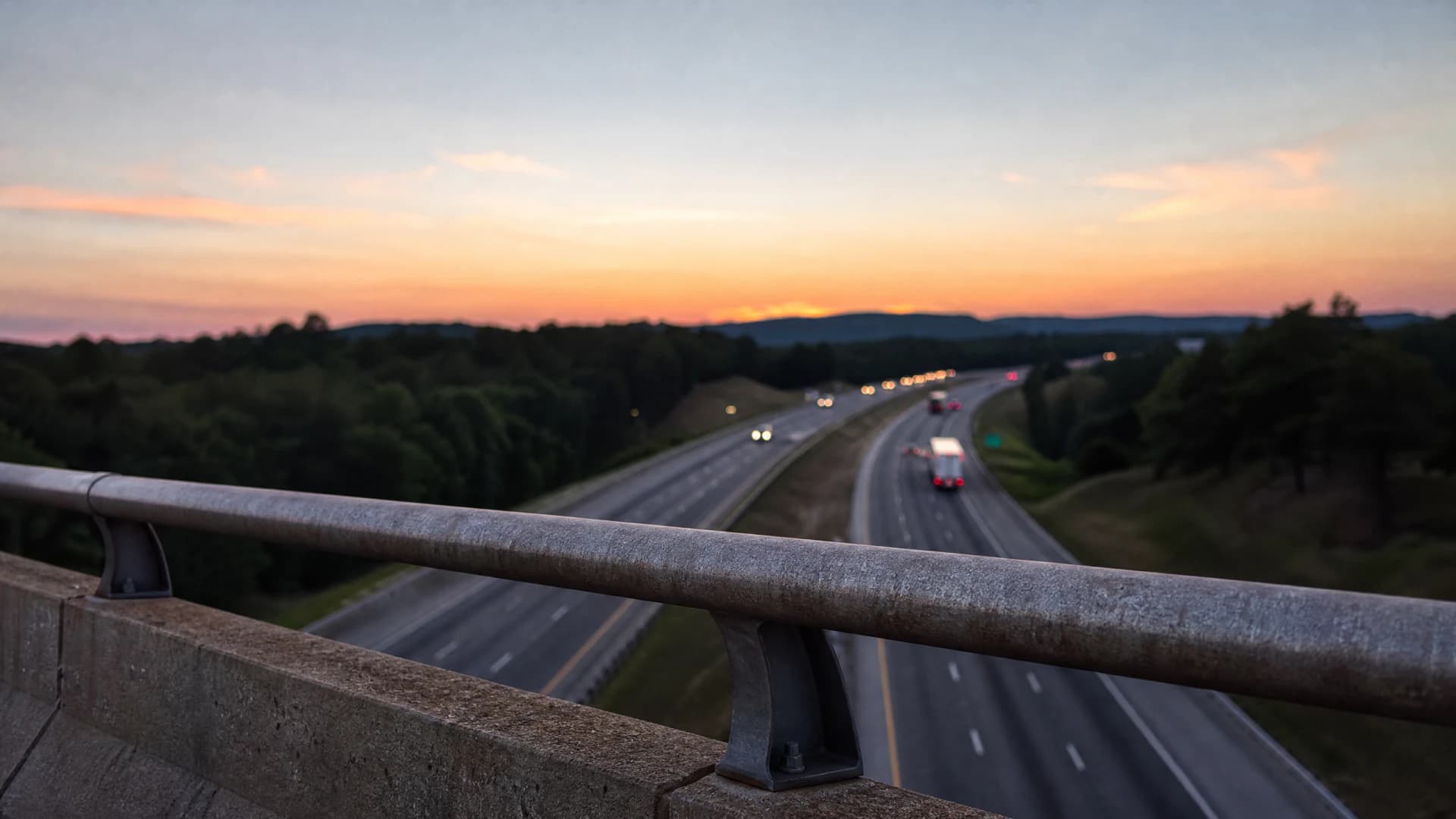
Colorado DUI revocations run through two separate systems simultaneously: DMV administrative Express Consent suspension and court-ordered criminal revocation. Both impose distinct SR-22 and IID windows that overlap, not replace, each other.
Related Articles
Colorado Early Reinstatement After DUI: Full Process
5/17/2026
Colorado DUI Early Reinstatement: IID Application Guide
5/16/2026
Cost of Colorado Early Reinstatement After DUI
5/17/2026

Colorado 2-Year IID After Second DUI Explained
5/17/2026
CO Early Reinstatement After Second DUI Eligibility
5/17/2026

CA IID Restricted License After DUI: 12-Month Program
5/16/2026
Ignition Interlock Device: Installation, Duration, and Violation Consequences
Colorado mandates ignition interlock installation for all DUI-related Early Reinstatement licenses. First-offense DUI requires IID for the entire revocation period—typically nine months under administrative Express Consent rules, though court-ordered revocations may run longer. Second or subsequent DUI offenses trigger Persistent Drunk Driver designation under Colorado law, requiring a minimum two-year IID period regardless of other sentence conditions.
Installation costs run $70 to $150, with monthly monitoring and calibration fees of $60 to $90. Total IID cost over a nine-month first-offense period typically reaches $700 to $1,000. The device requires rolling retests while driving: you must blow clean periodically or the vehicle shuts down. Failed rolling retests, attempts to bypass the device, or missed calibration appointments are reported to the DMV and constitute IID violations.
A single IID violation can extend your restricted license period by months or revoke Early Reinstatement entirely, depending on severity. Colorado DMV treats tampering, circumvention attempts, and repeated failed tests as grounds for immediate revocation. Drivers who lose Early Reinstatement privileges face the full original revocation period with no restricted driving—meaning if you were three months into a nine-month revocation and you violate IID terms, you start the clock over with no license at all.
Approved IID vendors in Colorado include Smart Start, Intoxalock, LifeSafer, and Guardian Interlock. The DMV provides a current vendor list; using a non-approved vendor disqualifies your device from meeting Early Reinstatement requirements and your restricted license will not be issued until you switch to an approved provider.
3 years
Colorado SR-22 Filing Period
Colorado requires SR-22 insurance filing for three years following DUI conviction. The clock starts when your Early Reinstatement probationary license is issued and runs concurrently with your ignition interlock period—not sequentially. Lapses reset the 3-year requirement from day one.
Colorado DMV SR-22 filing requirements
Non-Owner SR-22 for Drivers Without a Vehicle
If you do not own a vehicle—your car was impounded after arrest, you sold it, or you never owned one—you still need SR-22 insurance to obtain Early Reinstatement in Colorado. Non-owner SR-22 policies provide liability coverage when you drive a borrowed or rented vehicle and satisfy the state's SR-22 filing requirement without requiring you to insure a specific car.
Non-owner SR-22 premiums are typically lower than standard SR-22 policies because the carrier assumes less frequent driving exposure. Monthly costs for non-owner SR-22 after DUI in Colorado typically run $85 to $150. You cannot drive a vehicle you own under a non-owner policy—if you purchase or lease a car during your SR-22 period, you must immediately switch to a standard SR-22 policy covering that vehicle or your filing will lapse and Colorado will suspend your license again.
Total Cost Stack: Application, IID, SR-22, and Reinstatement
Early Reinstatement application fees are handled at the county level and vary; documentation requirements include proof of enrollment in a Level II alcohol education program (typically $600 to $1,200 for the full course) and SR-22 insurance proof before the DMV processes your restricted license. Add IID installation ($70 to $150), nine months of IID monitoring ($540 to $810), SR-22 filing fee ($15 to $50), and premium increases over three years. First-year costs alone typically reach $3,000 to $5,000 for a first-offense DUI case in Colorado.
The $95 reinstatement fee applies when you complete the Early Reinstatement period and transition to full unrestricted driving privileges. If you violate Early Reinstatement terms, get a second DUI during the restricted period, or let SR-22 lapse, you pay the $95 fee again—each reinstatement event is a separate transaction. Persistent Drunk Driver cases with two-year IID requirements face double the IID monitoring costs and extended SR-22filing periods, pushing total expense well above $8,000.
Next Step: Secure SR-22 Coverage and Begin IID Installation
Contact an SR-22 insurance provider licensed in Colorado immediately—your Early Reinstatement application cannot proceed without proof of SR-22 filing on file with the DMV. Carriers writing SR-22 policies for DUI offenders in Colorado include GEICO, Progressive, State Farm, Dairyland, Bristol West, The General, and National General. Request quotes from at least three carriers; premiums vary significantly by underwriting tier and county.
Once SR-22 is filed, schedule IID installation with an approved vendor and gather documentation for your Early Reinstatement application: proof of enrollment in Level II alcohol education, proof of SR-22 insurance, and IID installation confirmation. Submit your application to the Colorado DMV or through your county court if your revocation was court-ordered. Processing times vary by county; most applications are reviewed within 10 to 20 business days if documentation is complete.
SR-22 Filing Requirements for Colorado DUI Cases
The SR-22 is a certificate your insurance carrier files with the Colorado DMV proving you carry liability coverage meeting state minimums: $25,000 bodily injury per person, $50,000 bodily injury per accident, $15,000 property damage. Carriers charge a one-time filing fee (typically $15 to $50) plus premium increases reflecting your DUI conviction. Monthly premiums for SR-22 policies after DUI typically run $140 to $240 per month in Colorado, depending on age, county, and violation history.
If your SR-22 policy lapses for any reason—you cancel coverage, you miss a payment, your carrier drops you—the insurer notifies the DMV within 24 hours and Colorado immediately suspends your license again. Reinstatement after an SR-22 lapse requires a new $95 reinstatement fee, a new SR-22 filing, and the 3-year SR-22 clock resets from zero. One lapse can add years to your total compliance period.
Get Your Free Quote
Get My Hardship-License SR-22 QuoteFrequently Asked Questions
Does Colorado require FR-44 filing after a DUI conviction?
No. Colorado does not use FR-44 at all—FR-44 is specific to Florida and Virginia for DUI and serious traffic offenses. Colorado requires SR-22 insurance filing for three years following DUI conviction, and the SR-22 period runs concurrently with your ignition interlock requirement, not after it.
Can I get a hardship license immediately after a DUI in Colorado?
Yes. Colorado allows Early Reinstatement (also called Probationary License or Interlock Restricted License) with no mandatory hard suspension period for first-offense DUI. You must install an ignition interlock device and provide proof of SR-22 insurance before the DMV will issue the restricted license.
What happens if my SR-22 insurance lapses during my restricted license period in Colorado?
Colorado DMV suspends your license immediately upon notification of SR-22 lapse. Reinstatement requires a new SR-22 filing, payment of a new $95 reinstatement fee, and the 3-year SR-22 clock resets from day one—meaning you start the filing period over regardless of how much time you had already completed.
How long does ignition interlock installation last for a first DUI in Colorado?
First-offense DUI typically requires ignition interlock for nine months under Colorado Express Consent administrative revocation. Court-ordered revocations may impose longer IID periods depending on BAC level and aggravating factors. Second or subsequent DUI offenses trigger Persistent Drunk Driver designation with a mandatory two-year IID requirement.
Do I need SR-22 insurance if I don't own a car after a DUI in Colorado?
Yes. Colorado requires SR-22 filing to obtain Early Reinstatement regardless of vehicle ownership. If you do not own a car, you need a non-owner SR-22 policy, which provides liability coverage when you drive borrowed or rented vehicles and satisfies the state's filing requirement.
What driving purposes are allowed under Colorado's Early Reinstatement probationary license?
Colorado restricts Early Reinstatement licenses to necessary driving: home to work, home to school, medical appointments, court-ordered DUI programs, and ignition interlock service appointments. Specific routes and hours are defined by the DMV at issuance. Driving outside approved purposes triggers automatic revocation of the restricted license.
Can I apply for Early Reinstatement if I have a second DUI in Colorado?
Yes, but you face stricter requirements. Second or subsequent DUI offenses result in Persistent Drunk Driver designation, which requires a mandatory two-year ignition interlock period and typically longer revocation periods. Early Reinstatement is still available, but the IID and SR-22 duration extends significantly beyond first-offense cases.