
Limited Driving Privilege After DWI — North Carolina
Get My Hardship-License SR-22 QuoteThe 45-Day Hard Suspension Nobody Expects
You received your DWI conviction notice in North Carolina and immediately began researching how to apply for a Limited Driving Privilege so you can keep your job. You need to file within days to avoid losing work hours, but when you contact the court clerk or consult an attorney, you learn you cannot file anything for 45 days—a mandatory waiting period the state imposes before any LDP petition can be submitted. This 45-day hard suspension starts the day of conviction, not the day charges were filed, and there are no exceptions for first-time offenders, employment hardship, or family emergencies.
North Carolina General Statute § 20-179.3 requires this 45-day window as a statutory minimum before the court will consider issuing a Limited Driving Privilege after a DWI. The hard period applies to Level III, IV, and V DWI convictions—the most common sentencing levels for first-time offenders with no aggravating factors. Higher sentencing levels (Level I and Aggravated Level 1) carry longer mandatory periods: 90 days for Level II, one year for Level I, and three years for Aggravated Level 1. Most drivers assume the LDP application window opens immediately after sentencing and discover the 45-day lockout only when they attempt to file.
“The 45-day hard suspension locks you out of filing an LDP petition even if all other requirements are met.”

Drive Legally on Your Restricted License
Get My Hardship-License SR-22 Quote45 days
NC DWI Hard Suspension Minimum
North Carolina General Statute § 20-179.3 mandates a 45-day waiting period after Level III-V DWI convictions before a Limited Driving Privilege petition can be filed. Level II adds 90 days; Level I adds one year.
N.C.G.S. § 20-179.3
What a Limited Driving Privilege Actually Covers in NC
A North Carolina Limited Driving Privilege is not a general driving license. It is a court-issued order that allows you to drive for specific purposes only, and the judge who issues it defines exactly when, where, and why you can drive. The typical LDP covers travel between home and work, home and school, home and court-ordered substance abuse treatment, home and medical appointments, and home and religious activities. Some judges restrict driving to specific hours—commonly 6am to 8pm Monday through Friday for work purposes—while others impose no time restrictions but narrow the allowable destinations.
The LDP is issued by the Superior Court or District Court judge who handled your DWI case, not by the North Carolina Division of Motor Vehicles. This means you petition the court, not the DMV, and the judge has broad discretion to shape the terms. If the judge denies your petition, you can refile after addressing the deficiency (missing documentation, unpaid fines, incomplete treatment enrollment), but each denial adds processing time. Most LDP orders include explicit prohibition language: you cannot drive for social reasons, recreational trips, or errands not covered in the court order, even during allowed hours.
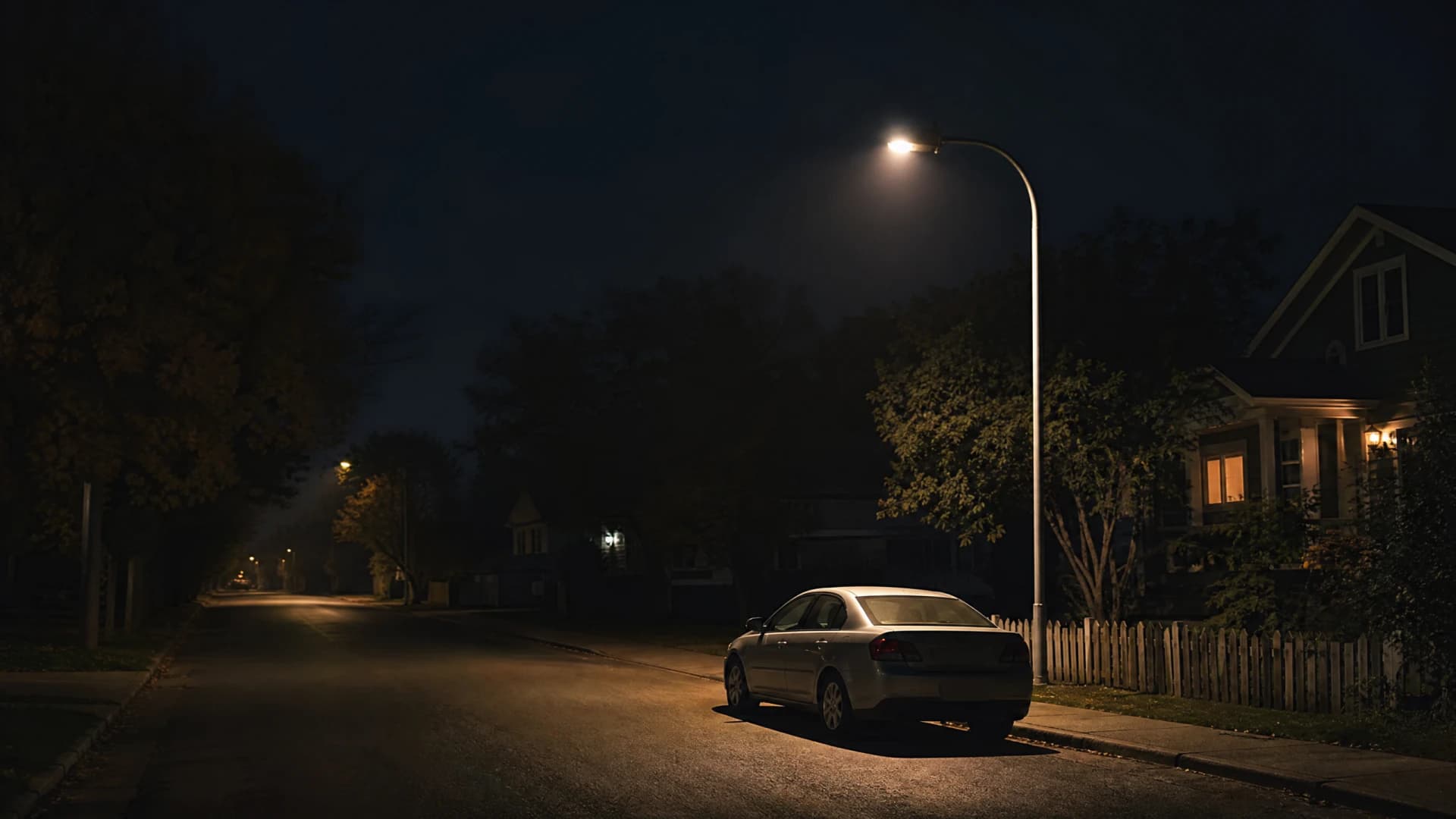
The 45-day hard suspension locks you out of filing an LDP petition even if all other requirements are met—employment pressure, family obligations, and medical needs do not override the statutory waiting period.
Related Articles

NC Limited Driving Privilege After DWI: Court Process
5/17/2026

NC DWI Limited Driving Privilege: 45-Day Wait Period
5/16/2026
NC Limited Driving Privilege Hearing Prep After DWI
5/17/2026

NC DWI Arrest to Limited Driving Privilege Timeline
5/16/2026
Limited Driving Privilege After Second DWI in NC
5/16/2026

NC Level 1 vs Level 5 DWI: LDP Eligibility Differences
5/17/2026
How the Court Petition Process Works
After the 45-day hard suspension expires, you file a petition with the same court that convicted you of the DWI. The petition includes a proposed driving schedule: specific days, hours, and destinations you need to drive to maintain employment, attend school, or meet treatment obligations. The judge reviews the petition, the attached documentation (SR-22, IID proof if required, treatment enrollment), and your criminal record. If everything is in order, the judge issues a signed LDP order, usually within 10 to 20 business days. If the petition is incomplete or the proposed driving schedule is overly broad, the judge denies it and provides a written explanation.
Most denials stem from missing documentation (no SR-22 on file, no proof of IID installation when required, no treatment enrollment), unpaid court costs or fines from the DWI conviction, or a proposed driving schedule the judge considers too general. A petition that requests "driving for any purpose between 6am and 10pm seven days per week" will be denied—North Carolina judges expect you to specify employment addresses, work hours, treatment facility locations, and medical provider addresses. Resubmitting with corrected documentation and a narrower schedule usually results in approval, but each denial adds 10 to 30 days to the timeline.
Once the judge signs the LDP order, the court clerk forwards a copy to the NCDMV. The DMV updates your record to reflect the limited driving privilege, but the physical order issued by the court is your legal authority to drive—you must carry it in the vehicle at all times. Law enforcement officers who stop you will ask to see the LDP order along with your license, proof of insurance, and vehicle registration. Driving outside the scope of the LDP (wrong hours, wrong destination, or for prohibited purposes) triggers revocation of the privilege and additional criminal charges.
$650
NC DWI Reinstatement Fee
North Carolina charges a $650 reinstatement fee after a DWI revocation, separate from court costs, SR-22 filing fees, and ignition interlock expenses. This fee is paid to the NCDMV before full license reinstatement.
NC Division of Motor Vehicles

What Happens If You Violate the LDP Terms
Violating the terms of your Limited Driving Privilege triggers immediate revocation of the privilege and potential criminal charges. If law enforcement stops you driving outside the approved hours, outside the approved destinations, or for a purpose not listed in the court order, the officer can charge you with driving while license revoked (DWLR). DWLR after an LDP revocation is a Class 1 misdemeanor in North Carolina, carrying up to 120 days in jail and fines up to $1,000. The LDP is revoked permanently—you cannot refile for another privilege until the original DWI revocation period ends.
Ignition interlock violations also trigger LDP revocation. If your LDP requires IID installation and the device records a failed breath test, a missed rolling retest, or evidence of tampering, the vendor reports the violation to the court and the NCDMV. The court revokes the LDP, and you must serve the remainder of the DWI revocation period without any driving privileges. Failed breath tests caused by mouthwash, hand sanitizer, or other alcohol-adjacent products count as violations—the device does not distinguish between beverage alcohol and incidental alcohol exposure.
File Your Petition as Soon as the Hard Period Ends
The 45-day hard suspension runs from your DWI conviction date, not your arrest date or your sentencing date. If you were convicted on October 1, you can file your LDP petition on November 16 or later—not before. Use the hard suspension window to gather documentation: enroll in ADET assessment, obtain SR-22 from a carrier that writes high-risk policies in North Carolina, install ignition interlock if required, and draft a detailed proposed driving schedule with employer verification and treatment facility addresses. Courts process complete petitions faster than incomplete ones, and every day you wait after the 45-day window expires is a day you cannot drive legally. If you need help identifying carriers that write SR-22 policies for DWI offenders in North Carolina, compare SR-22 carriers writing in your county to find one that will file same-day.
What You Must Submit With Your LDP Petition
The petition itself is a formal legal document submitted to the court that convicted you of the DWI. You must attach proof of valid liability insurance or an SR-22 certificate of financial responsibility from a carrier licensed to write in North Carolina. SR-22 is not insurance—it is a form your insurer files with the NCDMV certifying you carry at least the state minimum liability coverage: $30,000 bodily injury per person, $60,000 bodily injury per accident, and $25,000 property damage. Most carriers charge $15 to $50 to file SR-22 on top of your premium, and your premium will increase substantially after a DWI conviction—typically $150 to $300 per month for minimum liability coverage in the non-standard market.
If your DWI involved a blood alcohol concentration of 0.15 or higher, or if you have a prior DWI conviction, North Carolina law requires ignition interlock installation as a condition of the LDP. You must provide proof of IID installation from a state-approved vendor before the court will issue the privilege. Ignition interlock costs typically run $75 to $150 for installation, $75 to $100 per month for monitoring, and $50 to $75 for removal. You must also show proof of enrollment in North Carolina's Alcohol and Drug Education Traffic School (ADET) assessment or court-ordered substance abuse treatment. The court will not issue an LDP until you are enrolled, though you do not need to complete treatment before filing—enrollment alone satisfies the requirement.
Get Your Free Quote
Get My Hardship-License SR-22 QuoteFrequently Asked Questions
Can I apply for a Limited Driving Privilege immediately after a DWI conviction in North Carolina?
No. North Carolina General Statute § 20-179.3 mandates a 45-day hard suspension after Level III-V DWI convictions before any LDP petition can be filed. Higher sentencing levels impose longer waiting periods: 90 days for Level II, one year for Level I, and three years for Aggravated Level 1.
Does North Carolina require SR-22 for a Limited Driving Privilege after DWI?
Yes. You must attach proof of SR-22 financial responsibility certification to your LDP petition. SR-22 is filed by your insurance carrier with the NCDMV and certifies you carry at least the state minimum liability coverage: $30,000 bodily injury per person, $60,000 per accident, and $25,000 property damage.
What happens if I drive outside the hours or destinations listed in my North Carolina LDP?
Driving outside the scope of your LDP triggers immediate revocation of the privilege and a Class 1 misdemeanor charge for driving while license revoked (DWLR). DWLR carries up to 120 days in jail and fines up to $1,000, and you cannot refile for another LDP until the original DWI revocation period ends.
Do I need ignition interlock to get a Limited Driving Privilege after DWI in North Carolina?
You need ignition interlock if your DWI involved a BAC of 0.15 or higher, or if you have a prior DWI conviction. The court will not issue an LDP until you provide proof of IID installation from a state-approved vendor. Installation costs $75 to $150, with monthly monitoring fees of $75 to $100.
How long does it take to get a Limited Driving Privilege approved in North Carolina?
Most complete LDP petitions are approved within 10 to 20 business days after filing, but only after the mandatory 45-day hard suspension has expired. Incomplete petitions (missing SR-22, no IID proof when required, no treatment enrollment) are denied and must be refiled, adding 10 to 30 days to the timeline.
Can I drive to work in another state with a North Carolina Limited Driving Privilege?
Your LDP petition must specify all destinations, including out-of-state employment addresses. If the judge approves out-of-state travel as part of the LDP order, you can drive to that location during the approved hours. However, not all states recognize North Carolina LDPs, so confirm recognition with the destination state's DMV before driving across state lines.