
Top Insurers for DUI Hardship License Coverage — California
Get My Hardship-License SR-22 QuoteWhy Your Current Carrier Won't Cover Your Restricted License
Your California DMV Restricted License application was approved. You installed the Ignition Interlock Device. You paid the $125 reissue fee. Then your insurer sent a non-renewal notice effective in 30 days. The restriction on your license doesn't bar you from coverage—it triggers underwriting criteria most standard-tier carriers won't accept during the IID-mandated period.
California requires SR-22 proof-of-insurance filing for three years after DUI conviction, measured from reinstatement date. The SR-22 itself doesn't disqualify you from standard coverage. The combination of active IID requirement plus the Restricted License classification pushes you into non-standard underwriting territory. Standard carriers like Allstate, Nationwide, and Travelers reserve the right to non-renew policies when IID installation is mandated—and most exercise that right within the first policy period after DMV notification.
“Standard carriers exit before taking on IID-period restricted license exposure. Non-standard carriers price it in and issue same-week.”

Drive Legally on Your Restricted License
Get My Hardship-License SR-22 Quote$175–$285/mo
California Non-Standard SR-22 Premium
Non-standard carriers writing IID-period restricted license coverage charge monthly premiums in this range for state-minimum liability with SR-22 filing. Standard-tier post-reinstatement premiums drop to $95–$160/mo once IID is removed and the restricted license converts to full reinstatement.
Estimates based on available industry data; individual rates vary by county, age, violation count, and coverage selections.
Non-Standard Carriers Underwrite What Standard Carriers Won't
Non-standard auto insurance carriers exist specifically to underwrite risks standard carriers classify as unacceptable. During California's IID-mandated Restricted License period, you are that risk. Non-standard carriers price the exposure into the premium and issue the SR-22 filing the DMV requires. Standard carriers exit before taking on that exposure.
The tier distinction matters because applying to the wrong tier wastes time. Progressive and Geico write some DUI business, but their underwriting guidelines vary by state and offense count. In California, first-offense DUI with IID typically lands in their standard tier only after the restricted period ends and full reinstatement is complete. During the IID period, applications route to declination or referral to a non-standard affiliate.
Non-standard carriers licensed and actively writing SR-22 business in California include Bristol West, Dairyland, Infinity, Kemper, National General, and The General. Each underwrites IID-period restricted licenses as part of their core book. You're not an exception case—you're the target risk profile.
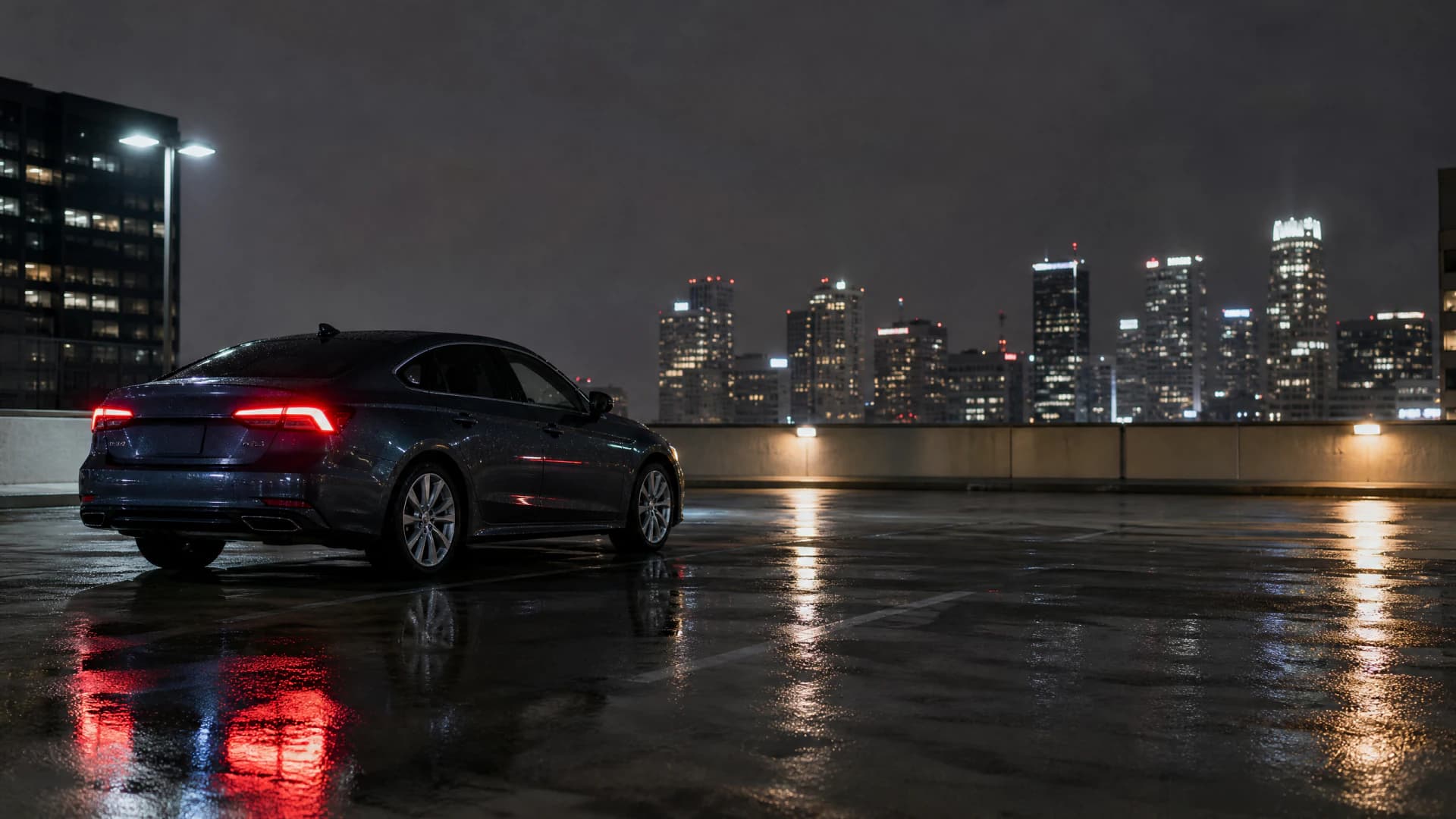
Standard-tier carriers classify IID-mandated Restricted License holders as declination-level risk during the device period. Non-standard carriers price it in and issue same-week.
Related Articles

CA DUI Restricted License and IID Insurance
5/29/2026
No-Money-Down DUI Coverage California
5/29/2026

California Restricted License After DUI: How to Apply
5/17/2026
Cheapest Restricted License Insurance CA DUI
5/29/2026
Best Non-Standard DUI Carriers Virginia
5/29/2026
Documents for CA Restricted License After DUI
5/16/2026
SR-22 Filing Mechanics and Continuous Coverage Rules
California SR-22 is not insurance—it's a certificate your insurer files electronically with the DMV certifying you carry at least state-minimum liability coverage. The DMV cross-checks your SR-22 status daily. If your carrier cancels your policy or you cancel and fail to replace it before the effective cancellation date, the DMV receives an SR-26 notification within 24 hours and suspends your Restricted License immediately.
The three-year SR-22 period begins on your reinstatement date, not your conviction date. If you delay applying for a Restricted License for six months post-conviction, your three-year SR-22 clock starts six months after conviction when the Restricted License is issued. Letting coverage lapse at any point during those three years restarts the suspension. You lose the Restricted License, the IID stays installed but you cannot legally drive, and you must refile SR-22 proof and pay the $55 reissue fee again to restore restricted driving privileges.
Non-standard carriers file SR-22 electronically at policy binding. The filing fee is typically $15–$25, paid once at application. Monthly premiums include the SR-22 maintenance cost. When you switch carriers mid-SR-22 period, the new carrier files a replacement SR-22 before the prior carrier's SR-26 cancellation reaches the DMV—this requires timing the switch so there is no gap between effective dates.
Geico and Progressive offer SR-22 filing in California but underwrite IID cases selectively. If you're past the IID removal date and hold a Restricted License based solely on DUI program attendance and work-commute limitation, Geico and Progressive may quote competitively. During the IID-mandated phase, their systems often refer applicants to non-standard partners or decline outright.
3 years
California DUI SR-22 Duration
California Vehicle Code Section 16070 requires SR-22 filing for three years following DUI-related license reinstatement. The clock starts on the date the Restricted License is issued, not the conviction date. Any lapse in coverage during this period triggers immediate re-suspension and restarts the filing requirement from the date coverage is restored.
California Vehicle Code Section 16070
IID Costs Stack on Top of Insurance and SR-22
California first-offense DUI Restricted Licenses require IID installation for the full restricted period, typically 12 months under the statewide IID program enacted by AB 91 in 2019. Installation costs $70–$150. Monthly monitoring and calibration fees range $60–$90. Over 12 months, total IID cost is $790–$1,230 before insurance.
Add non-standard SR-22 insurance at $175–$285/mo and the monthly cost of maintaining legal restricted driving privileges is $235–$375. The $125 DMV Restricted License reissue fee and any outstanding DUI program enrollment fees layer on top. Total first-year cost to restore restricted driving after a California DUI conviction typically exceeds $4,200 when IID, insurance, SR-22 filing, and administrative fees are combined.
Compare Non-Standard Carriers Before You Apply
Monthly premium variance among California non-standard SR-22 carriers can exceed $80 for identical coverage. Bristol West, Infinity, Kemper, and The General all underwrite IID-period Restricted License applicants, but their rate structures differ by county, age bracket, and prior violation count. Applying to one carrier and accepting the first quote locks you into that premium for the policy term—typically six months.
Request quotes from at least three non-standard carriers before binding coverage. Dairyland and The General offer online quoting; Bristol West and Infinity require broker contact. National General operates through independent agents but provides rate indications by phone. Comparing monthly cost, down payment requirements, payment plan fees, and SR-22 filing timelines across carriers gives you leverage to select the lowest total cost option that meets California DMV SR-22 proof requirements. Once your Restricted License period ends and IID is removed, you can shop standard-tier carriers again—but during the IID phase, non-standard is the accessible tier.
Carriers Writing California DUI Restricted License Coverage
Bristol West writes high-risk auto in California and has since 1973. SR-22 filing included at application. IID disclosure required but does not trigger automatic declination. Broker placement required—Bristol West does not offer direct-to-consumer online quoting in California. Monthly premiums for state-minimum liability with SR-22 typically range $180–$260 depending on county and driving history depth. Payment plans available but require down payment of first month plus broker fee.
Dairyland offers online quoting for California SR-22 applicants and writes non-owner SR-22 policies for drivers without a registered vehicle. IID installation does not block eligibility during the Restricted License period. Dairyland's California book includes first-offense and second-offense DUI risks. Non-owner SR-22 monthly cost typically $95–$145; owned-vehicle SR-22 ranges $160–$240/mo. Dairyland requires continuous coverage—lapses trigger immediate DMV notification and re-suspension of the Restricted License.
Get Your Free Quote
Get My Hardship-License SR-22 QuoteFrequently Asked Questions
Can I get SR-22 insurance with a Restricted License in California?
Yes. California non-standard carriers including Bristol West, Dairyland, Infinity, Kemper, National General, and The General actively underwrite SR-22 policies for drivers holding IID-mandated Restricted Licenses. Standard-tier carriers typically decline or non-renew during the IID period. Monthly premiums for non-standard SR-22 coverage range $175–$285 depending on county and driving history.
How long do I need SR-22 insurance after a DUI in California?
California requires SR-22 filing for three years from the date your Restricted License is issued, not from your DUI conviction date. If you delay applying for a Restricted License, the three-year SR-22 period starts later. Any lapse in SR-22 coverage during those three years triggers immediate DMV re-suspension and restarts the filing clock from the date you restore coverage.
Does Geico or Progressive write SR-22 for California Restricted Licenses?
Geico and Progressive file SR-22 in California but underwrite IID-mandated Restricted License cases selectively. During the IID installation period, both carriers often decline or refer applicants to non-standard partners. After IID removal and transition to a work-commute-only Restricted License, Geico and Progressive may quote competitively depending on time since conviction and violation count.
What happens if my SR-22 insurance lapses during my Restricted License period?
Your insurer files an SR-26 cancellation notice with the California DMV within 24 hours of policy cancellation. The DMV immediately suspends your Restricted License. You lose legal driving privileges even though the IID remains installed. To restore the Restricted License, you must obtain new SR-22 coverage, pay the $55 DMV reissue fee, and refile proof with the DMV. The three-year SR-22 clock does not pause—it continues from the original reinstatement date.
How much does non-standard SR-22 insurance cost in California?
Non-standard SR-22 monthly premiums in California for state-minimum liability coverage range $175–$285 during the IID-mandated Restricted License period. Rates vary by county, age, prior violation count, and carrier. Once the IID is removed and full reinstatement is achieved, standard-tier premiums drop to $95–$160/mo. The SR-22 filing fee is typically $15–$25, paid once at policy binding.